

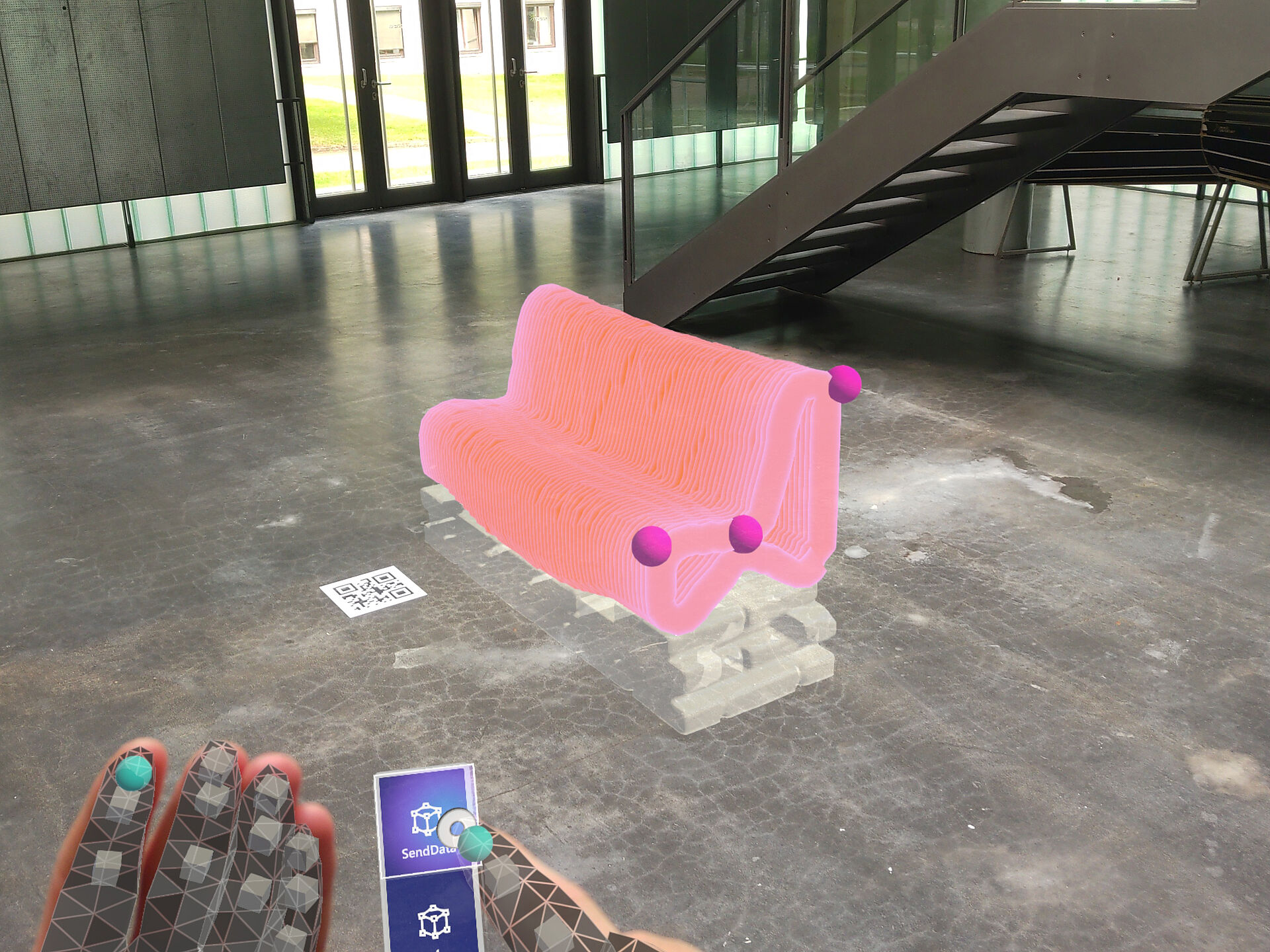

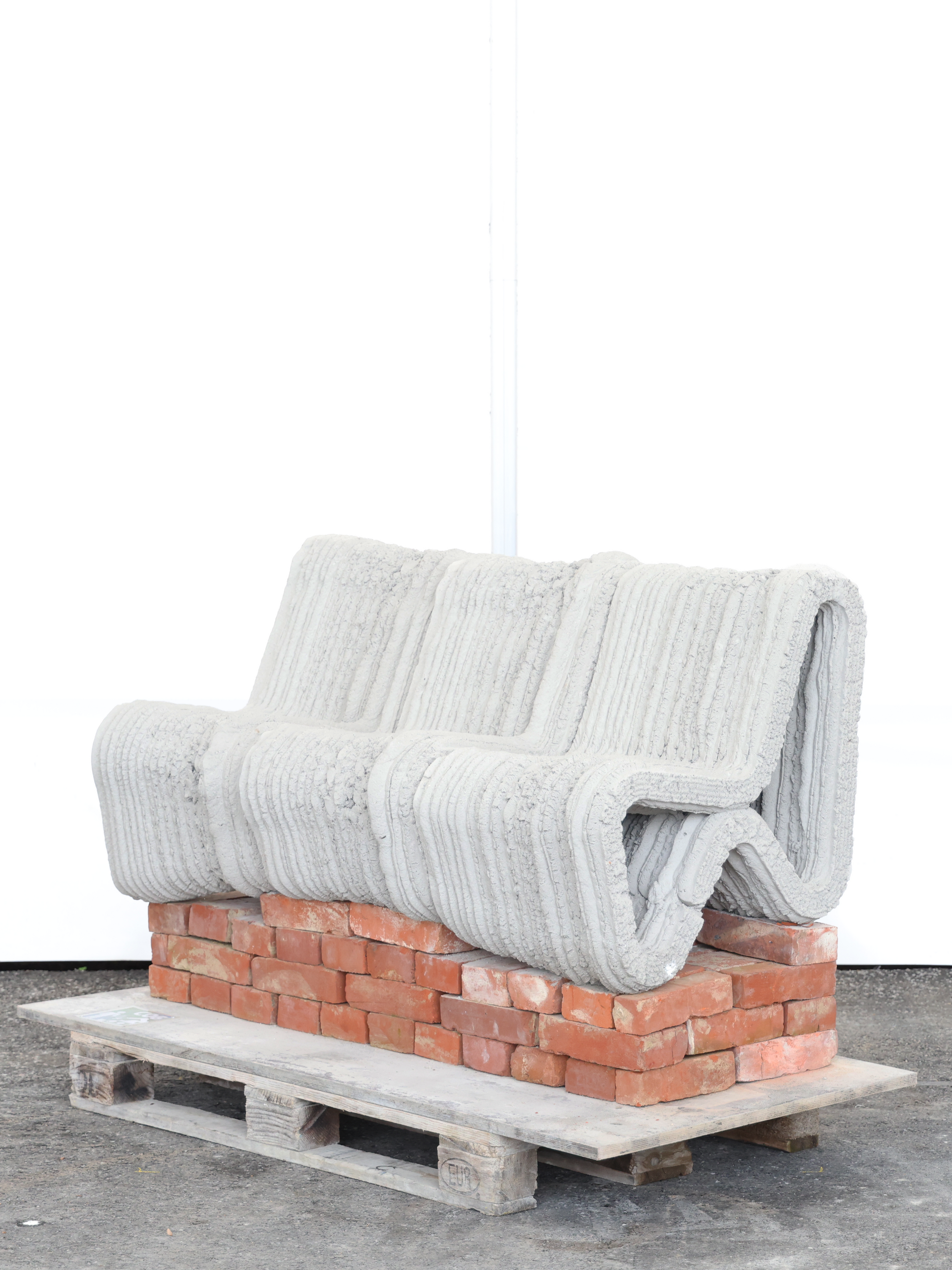

This project investigates the development of Cyber-physical Construction Systems (CPCS) in order to enable seamless, adaptive, and digitally continuous workflows from design to on-site fabrication. By bridging the physical and digital domains through sensor integration, real-time data acquisition, and digital twins, the project addresses fundamental limitations of conventional Industry 3.0-based construction processes, which are characterized by linear data flows, isolated automation, and limited flexibility. The research aims to replace these error-prone and static production paradigms with responsive, feedback-driven manufacturing and assembly systems tailored to the complexity and variability of construction environments.
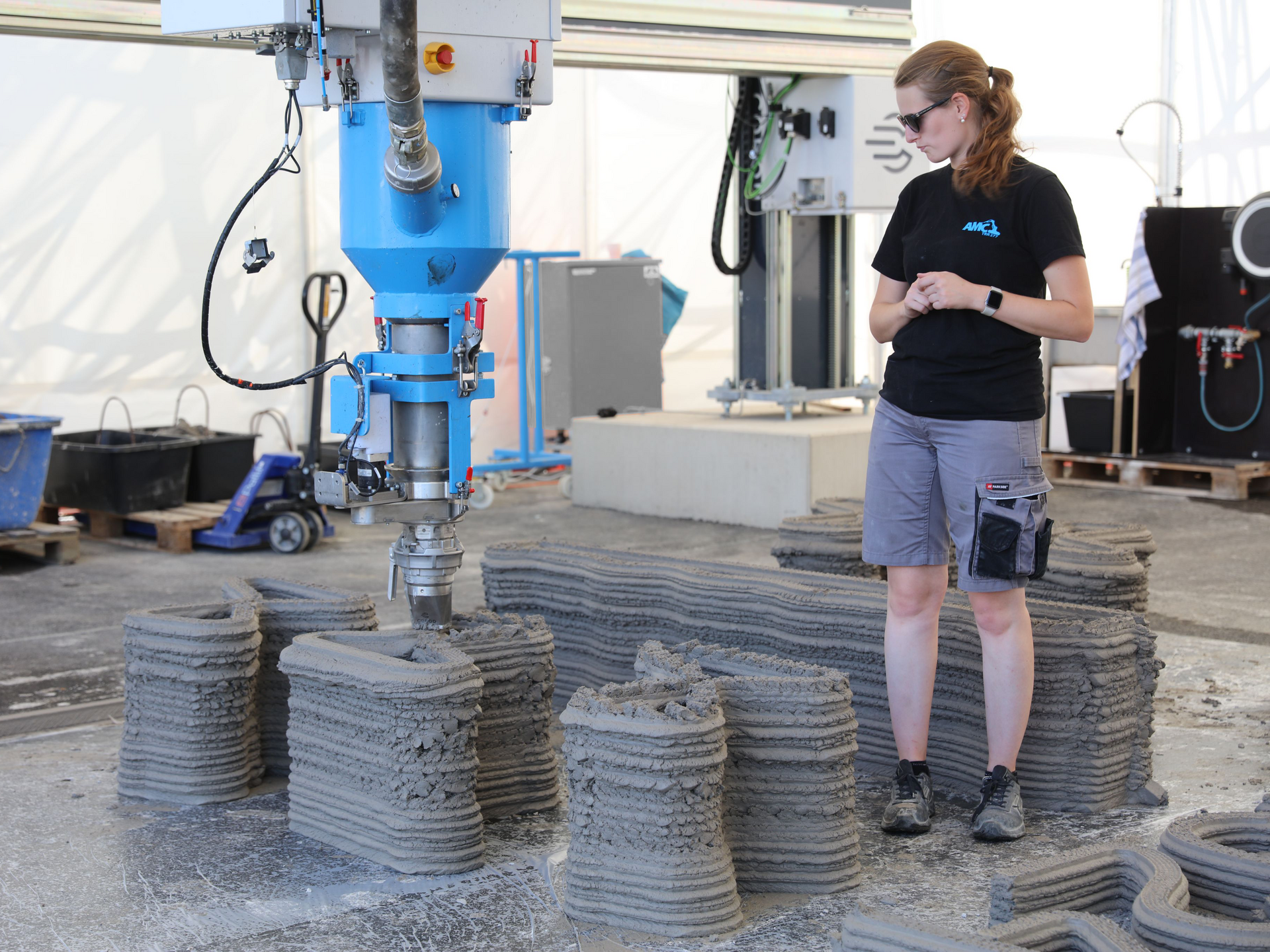
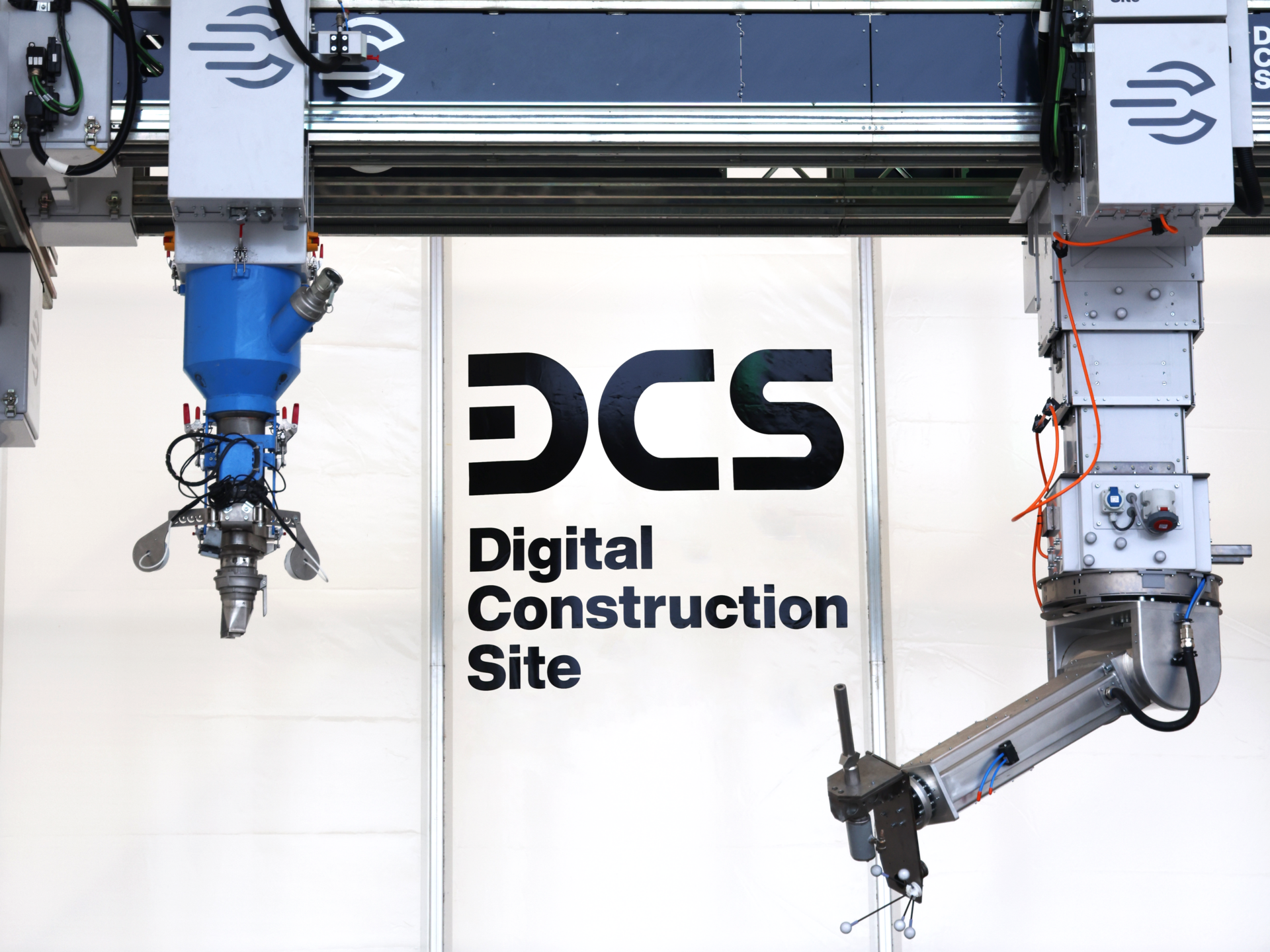
Central to the project is the Digital Construction Site (DCS), a large-scale, fully networked research infrastructure that integrates a construction-scale 3D printer, mobile robotic platforms, drones, augmented reality systems, and comprehensive 3D scanning and tracking technologies. All hardware components are digitally connected, enabling real-time communication and bidirectional data exchange across multiple fabrication and assembly processes. Within this environment, WG Hack focuses on integrated computational design methods and adaptive manufacturing and assembly strategies that respond dynamically to the “as-built” conditions captured on site. This includes the continuous feedback of sensor data into digital models to modify fabrication paths, coordination strategies, and assembly sequences during production.
By embedding cyber-physical additive manufacturing processes into a broader, multi-step construction workflow, the project aims to demonstrate how digitally continuous, adaptive construction systems can operate beyond isolated production tasks. The outcomes contribute to a holistic understanding of future construction processes in which design, fabrication, monitoring, and optimisation are tightly coupled, ultimately supporting more efficient, flexible, and robust on-site construction enabled by CPCS.
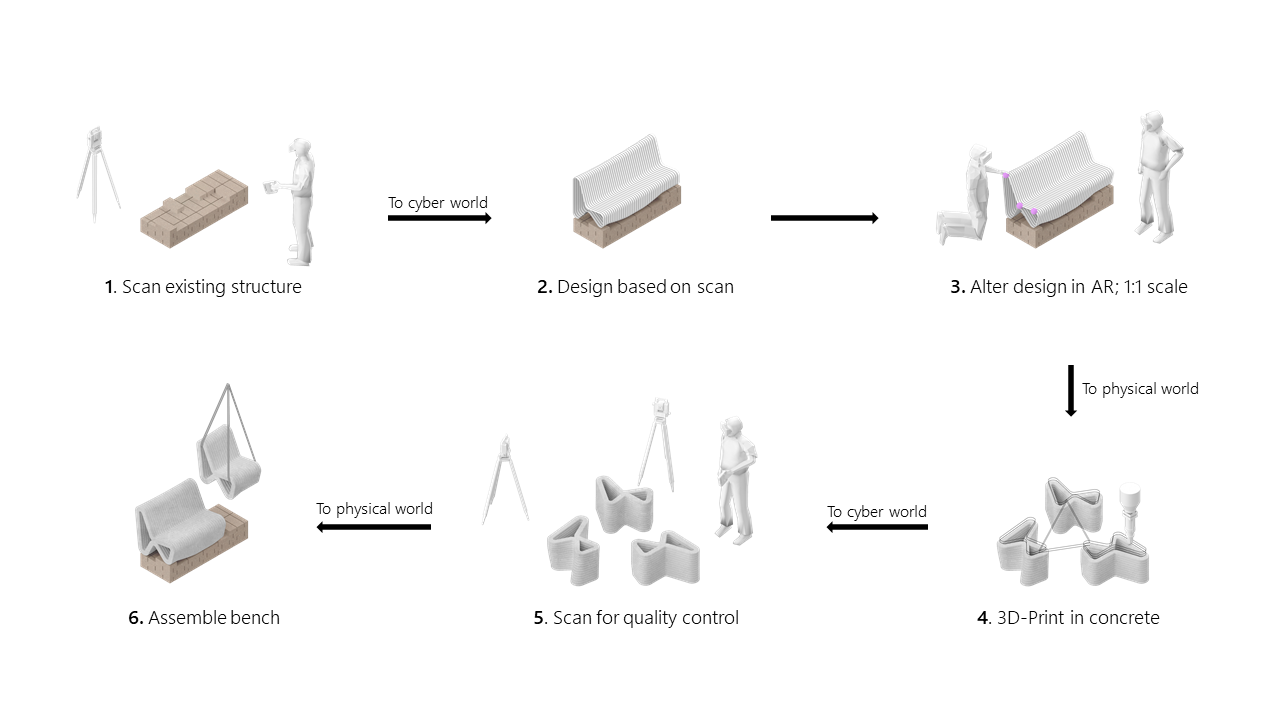
[1] Hack, N., Xiao, Y., Jantzen, C., Tesche, J., Mawas, K., Gerke, M., D’Acunto, P. (2024), Design and fabrication of structures with graphic statics and augmented reality. Proceedings of the IASS 2024 Symposium