
10/12/2026
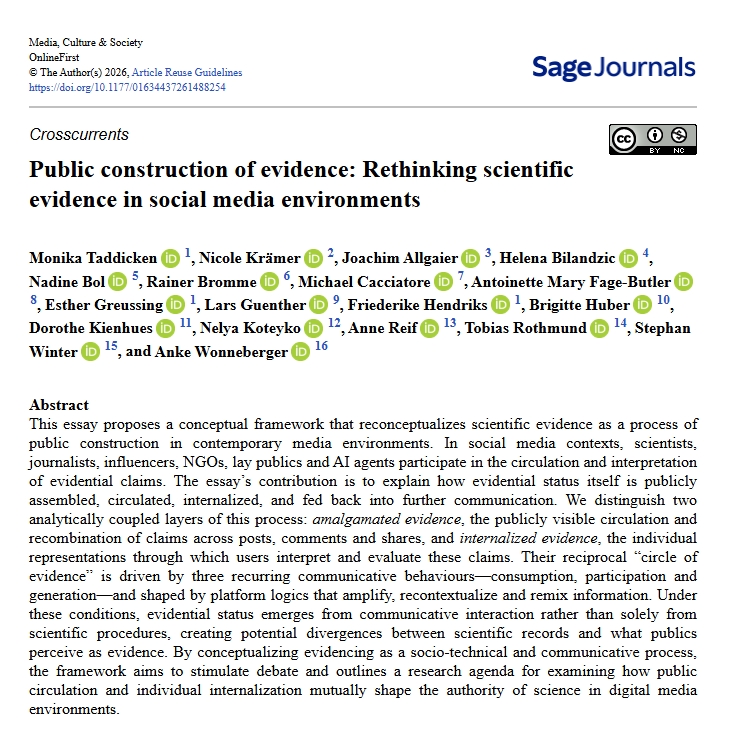
Monika Taddicken, together with international researchers from the POESI network, has published an article in Media, Culture & Society. They propose a conceptual framework that reconceptualizes scientific evidence as a process of public construction in contemporary media environments. The paper explains how evidential status itself is publicly assembled, circulated, internalized, and fed back into further communication. The findings show that two types of evidence can be distinguished: amalgamated evidence, the publicly visible circulation and recombination of claims across posts, comments and shares, and internalized evidence, the individual representations through which users interpret and evaluate these claims. Their reciprocal “circle of evidence” is driven by three recurring communicative behaviours—consumption, participation and generation—and shaped by platform logics that amplify, recontextualize and remix information. Under these conditions, evidential status emerges from communicative interaction rather than solely from scientific procedures, creating potential divergences between scientific records and what publics perceive as evidence. The framework outlines a research agenda for examining how public circulation and individual internalization mutually shape the authority of science in digital media environments.
Click here to access the publication.
10/05/2026
From September 30 to October 2 2026, the annual conference of the Methods Division of the German Communication Association (DGPuK) took place in Cologne. The Institute for Communication Science was represented by a student presentation. Chen Liu (DiKuM student) and Sanjida Reza Rafa (data science student), together with Nicola Peters, presented a contribution on the methodological comparison of dictionary-based sentiment analysis in cross-domain social media research, using Reddit discussions on the topics of artificial intelligence and mental health as an example.


10/01/2026
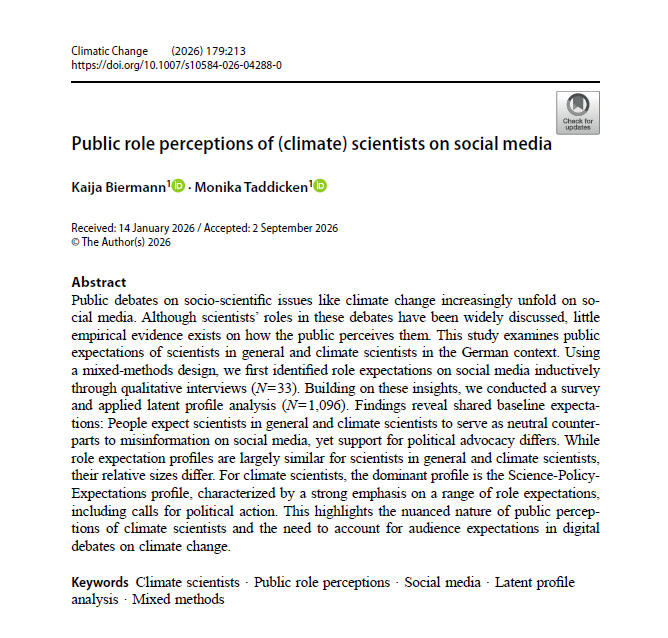
Kaija Biermann and Monika Taddicken have published an article in Climatic Change. Using a mixed-methods approach, they examine the public’s expectations regarding social media communication by scientists in general and by climate scientists in the German context. To this end, they first use qualitative interviews to inductively identify different role expectations on social media and, building on this, conduct a survey of 1,096 participants. Using latent profile analysis, the authors then examine different patterns of these role expectations. The results first reveal common, fundamental expectations: Scientists in general, as well as climate scientists, are expected in particular to communicate scientific content in an understandable and fact-based manner and to counter misinformation. At the same time, expectations differ, for example, regarding the extent to which scientists should express personal opinions or call for political action. For scientists in general and for climate scientists, four comparable profiles of role expectations emerge, though their relative sizes differ. Among climate scientists, the “Science-Policy-Expectations” profile is the largest. It is characterized by high overall expectations regarding climate scientists’ social media communication—including actively countering misinformation and communicating scientific content in an accessible way—as well as by a comparatively high level of support for calls to political action. However, the profiles differ not only in terms of role expectations but also in terms of various characteristics and attitudes of the individuals assigned to them, such as trust in science, attitudes toward climate change, and evaluations of scientists’ social media engagement.
The results thus highlight the complexity of public role expectations for (climate) scientists on social media and demonstrate how important it is to take different audiences and their expectations into account in digital debates about climate change.
Click here to access the publication.
09/30/2026
The Institute for Communication Science was represented at the annual conference of the Science Communication Division of the German Communication Association (DGPuK) in Münster from September 23 to 25 with several presentations by Kaija Biermann, Nicola Peters, Maria Johanna Prechtl, Joshua Schlichting, and Monika Taddicken.
The conference theme addressed current areas of tension within science communication. These include both the communication of controversially discussed topics such as AI and climate change, as well as the challenges that scientists and science communicators face in digital environments.
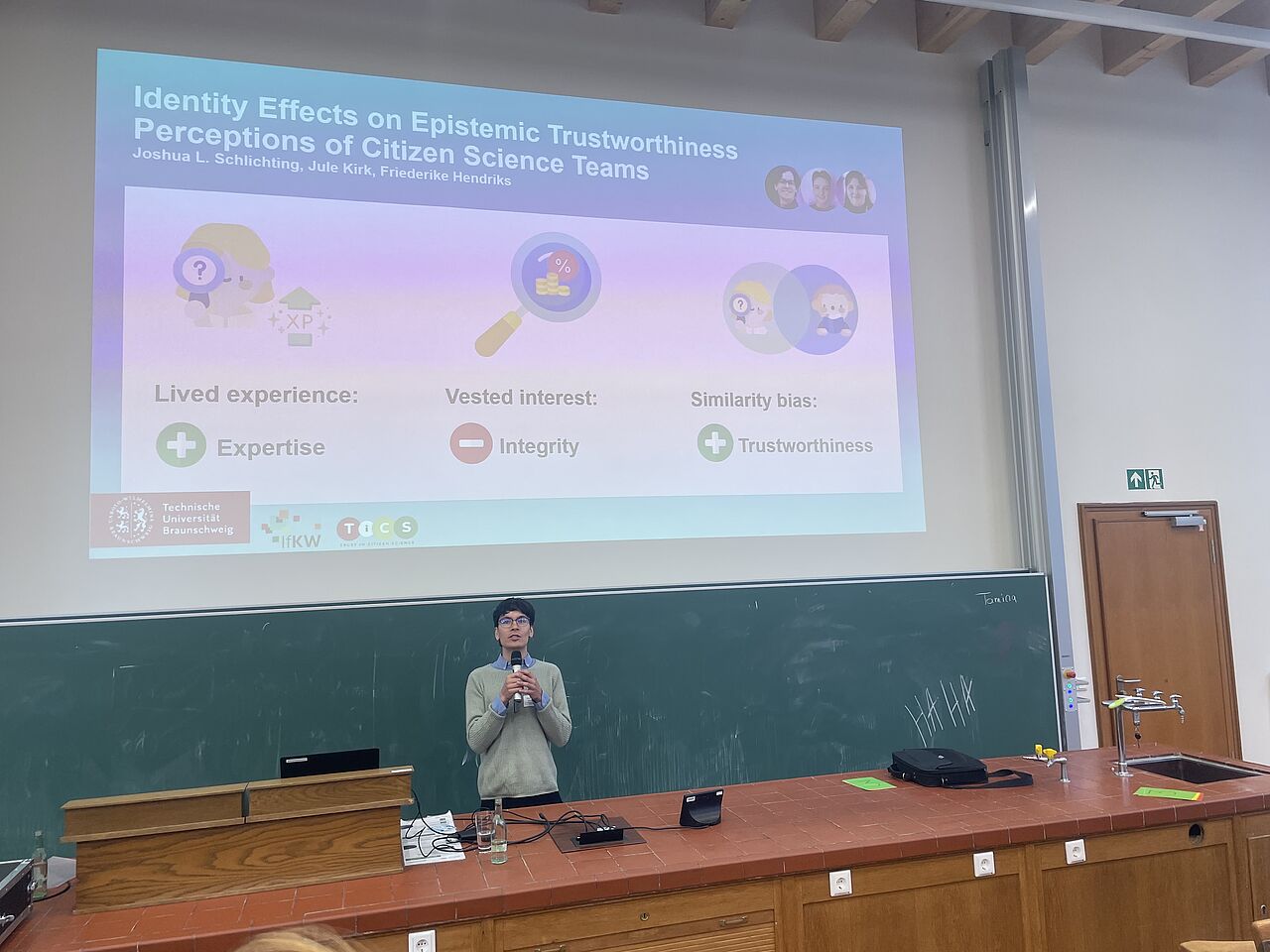
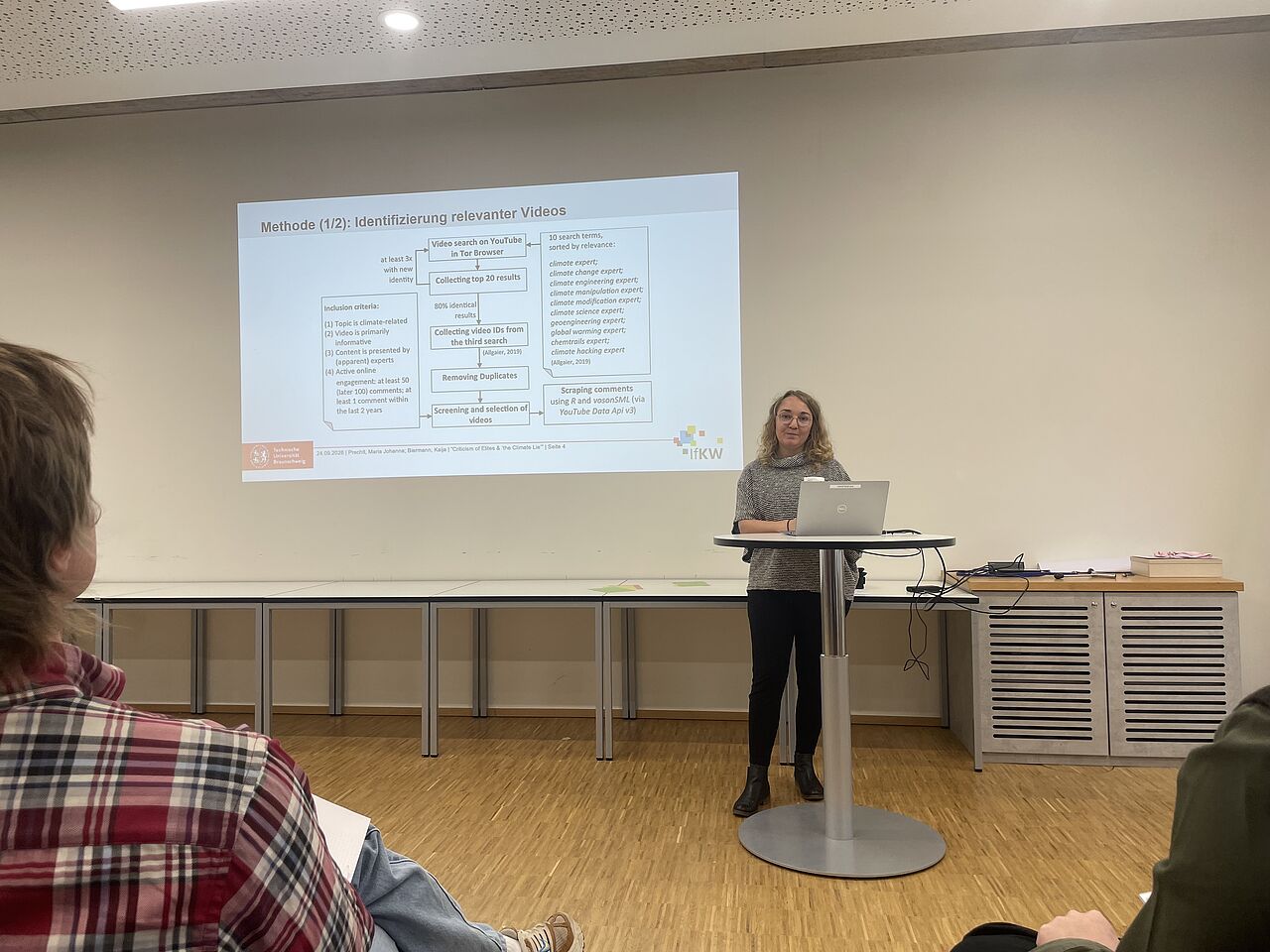
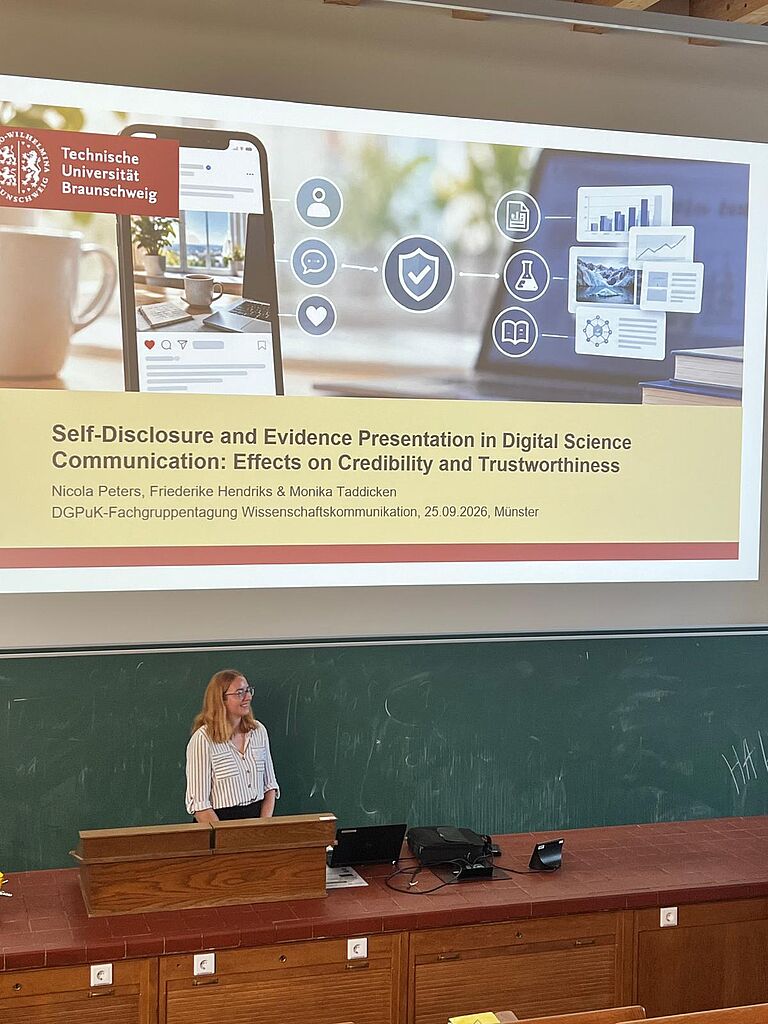
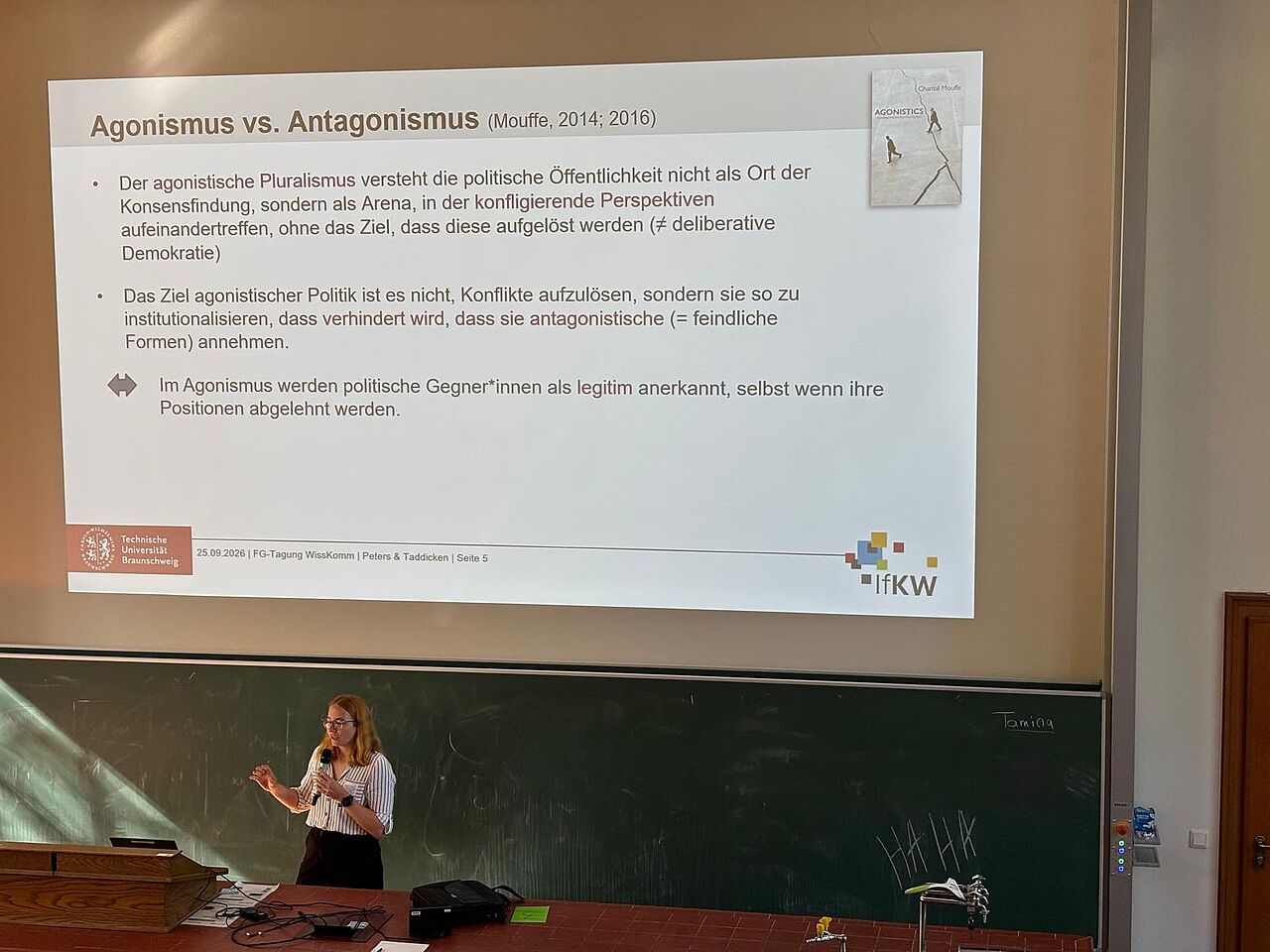
Building on this Maria Johanna Prechtl and Kaija Biermann used topic modeling and sentiment analysis to examine YouTube comments of videos by climate experts. They presented various aspects of criticism of science that could be identified within the comments with the most negative average sentiment rating. Nicola Peters and Monika Taddicken (together with Friederike Hendriks) examined the effect of self-disclosure and the presentation of evidence in digital science communication. The study shows that self-disclosure leads to a lower perception of trustworthiness. In another contribution, Nicola Peters and Monika Taddicken also presented a measurement tool for analyzing agonistic and antagonistic communication in climate-skeptic counterpublics and examined which sources and types of evidence the arguments presented there are linked to. Joshua Schlichting (together with Theresa Bongert, David Christner, and Friederike Hendriks) conducted two experiments to examine the perception of climate protection recommendations by climate researchers. The results show that, in one of the two studies, bans have a negative effect on assessments of trustworthiness. In addition, Joshua Schlichting (together with Jule Kirk and Friederike Hendriks) also presented a poster on the perceived trustworthiness of citizen science when citizen scientists have a personal connection to their research topic.
Here are some impressions.
09/24/2026
The Institute for Communication Science was represented at the conference of the Digital Communication Division of the German Communication Association (DGPuK) in Berlin from September 16 to 18 with several presentations by Kaija Biermann, Esther Greussing, Evelyn Jonas, and Monika Taddicken.
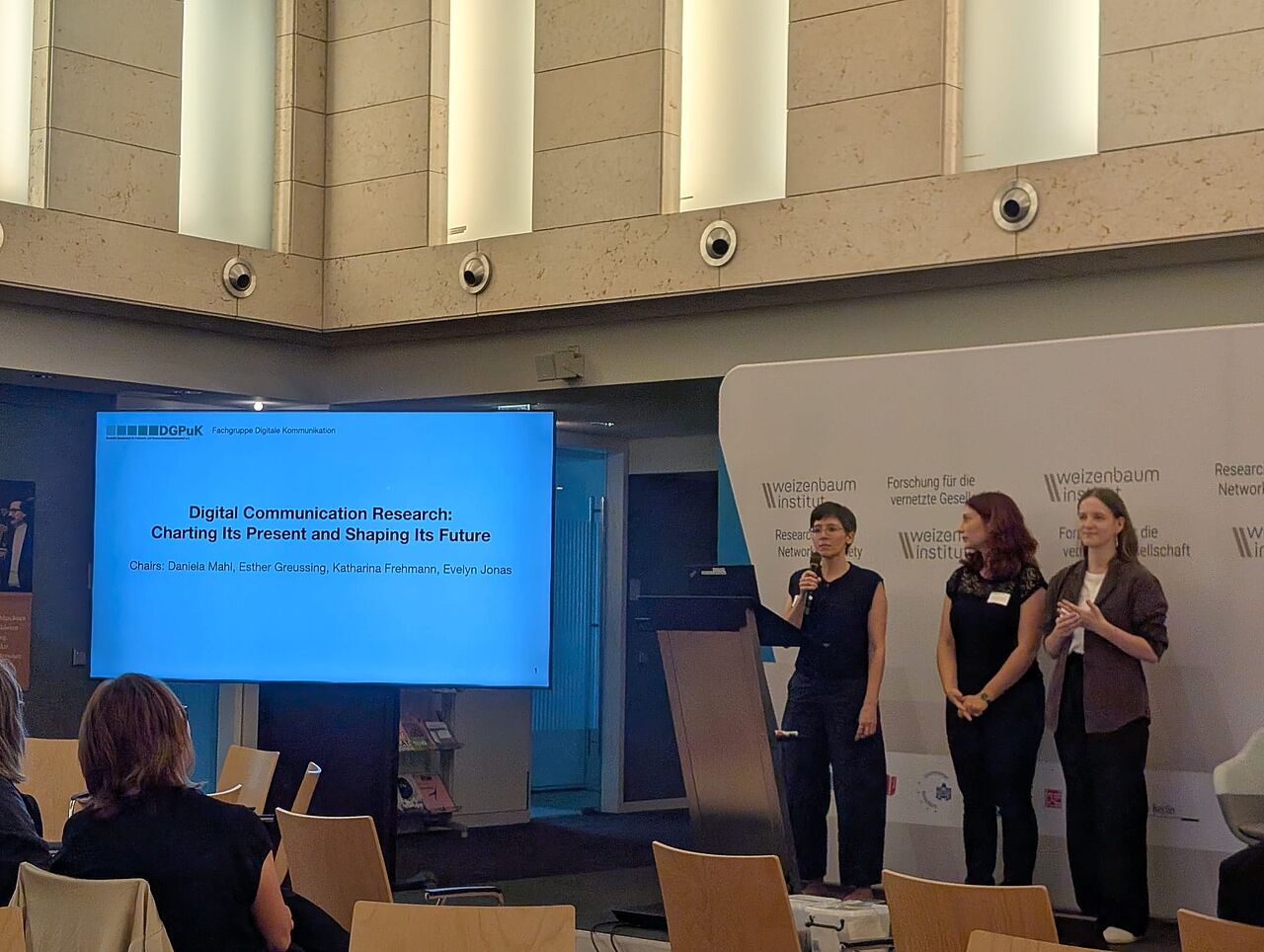
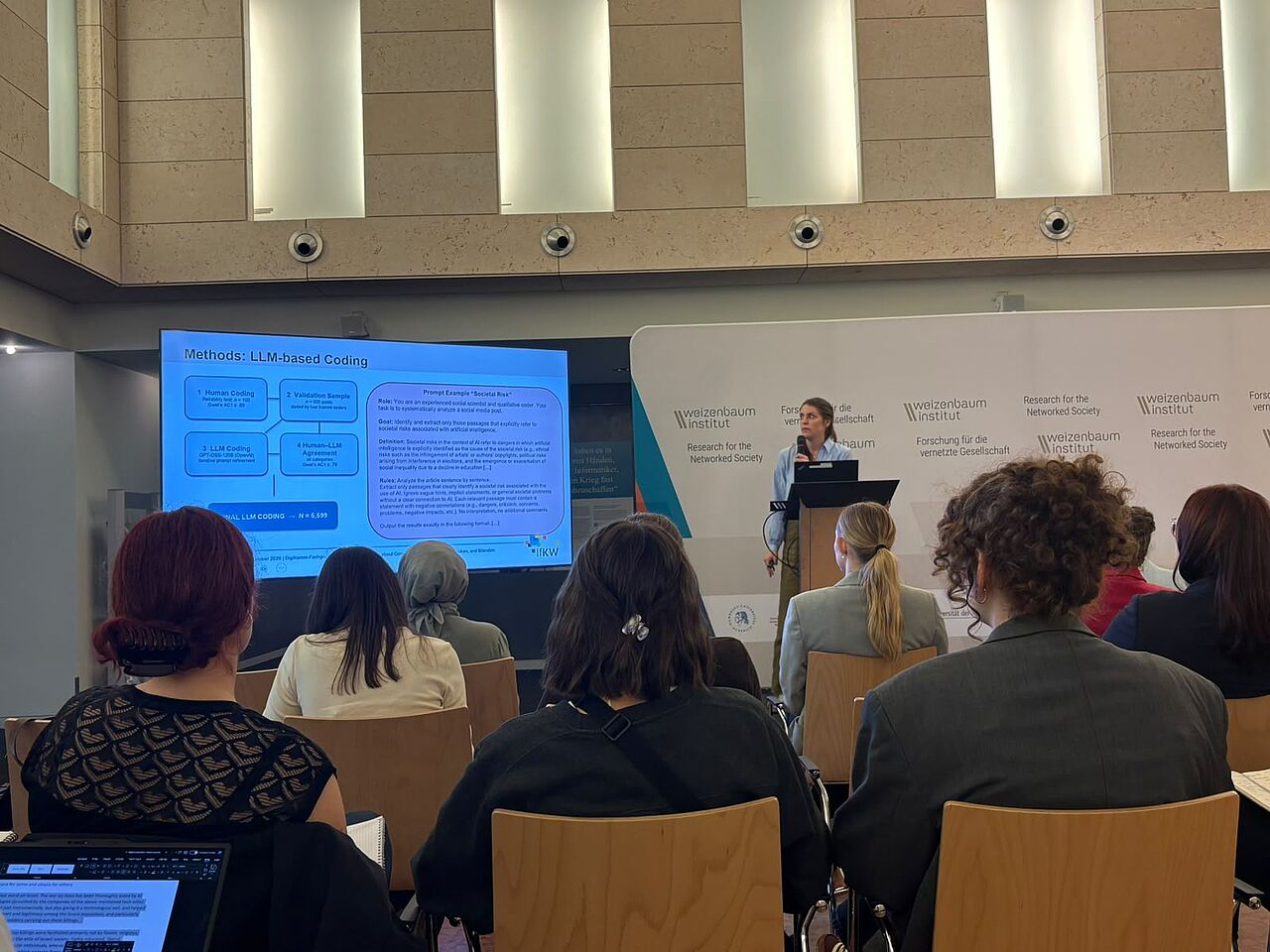
In her presentation (together with Martin Bürger, Monika Taddicken, and Helena Bilandzic), Kaija Biermann presented findings from the Wiss-KKI project. Using validated LLM-based coding and topic modeling, the study examined how communicative AI is discussed on Facebook and Instagram. The results show that topics range from technological developments to misinformation and disinformation to everyday applications, with shifts in thematic focus indicating a diversification of the discourse. In addition, Anne Reif (University of Hamburg), with IfKW participation from Maria Johanna Prechtl and Monika Taddicken, presented findings from the TruSDi II project. They examined the extent to which general trust groups related to science can be applied to different scientific topics and where patterns of trust can be identified in AI and climate research. In a workshop co-organized by Esther Greussing, the division’s spokesperson, and Evelyn Jonas, the mid-level staff spokesperson, participants also had the opportunity to exchange ideas beyond their own research and discuss the future of the Digital Communication Division in light of new and already established research topics.
For the anniversary conference, Monika Taddicken and Jan-Hinrik Schmidt also presented a musical performance that took participants on a journey through the division’s 30-year history.
Here are some impressions.

09/16/2026
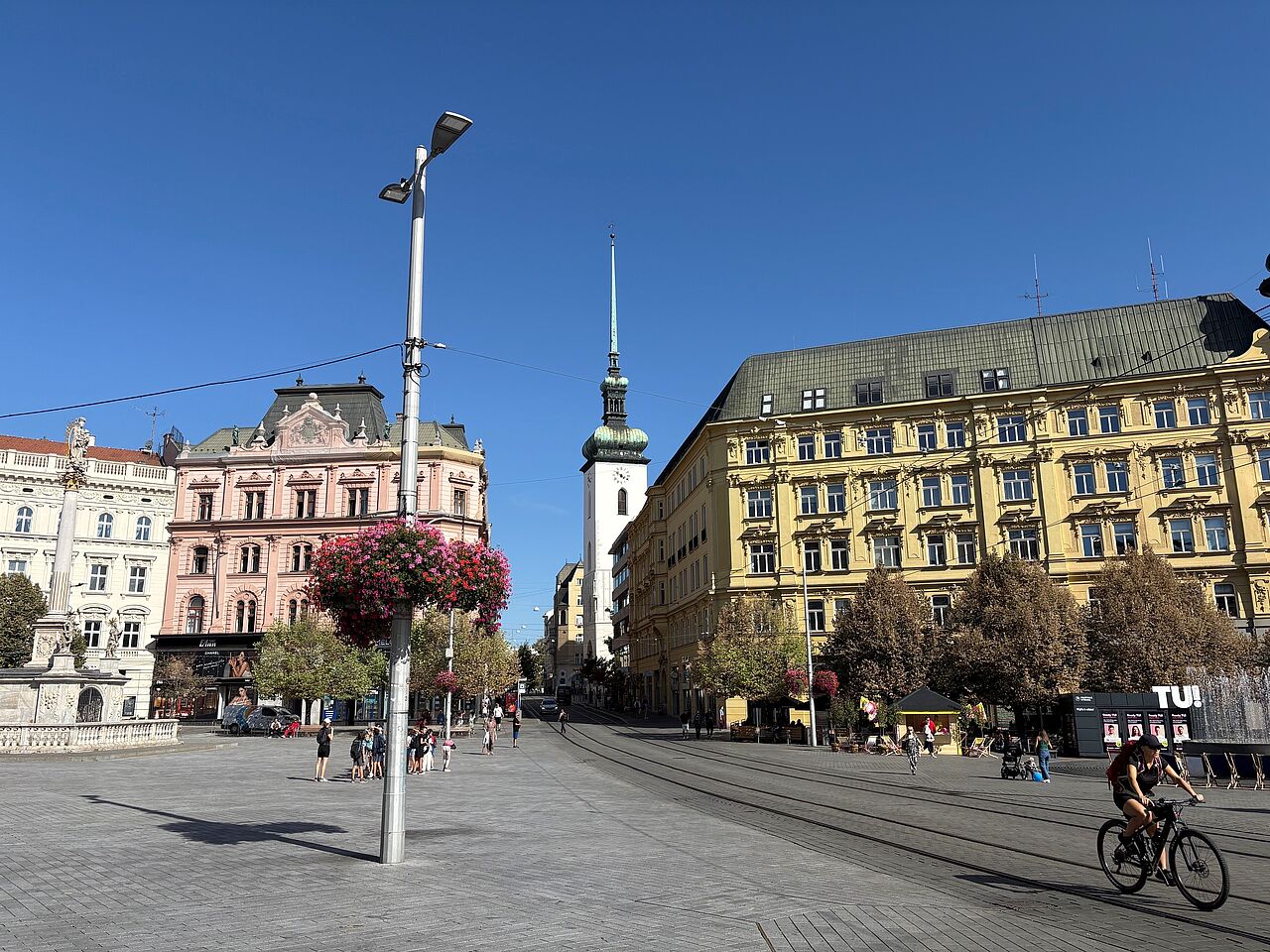
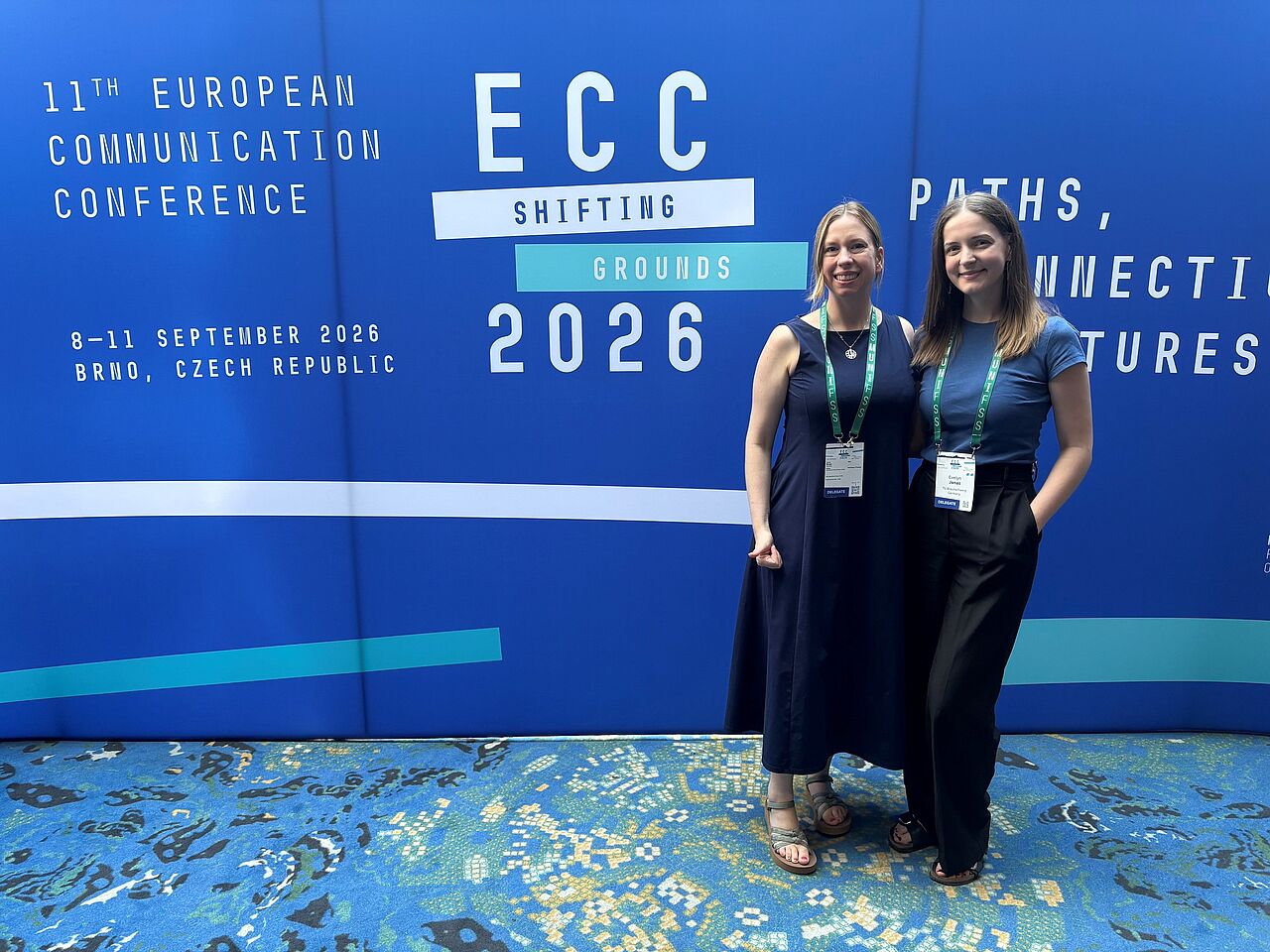
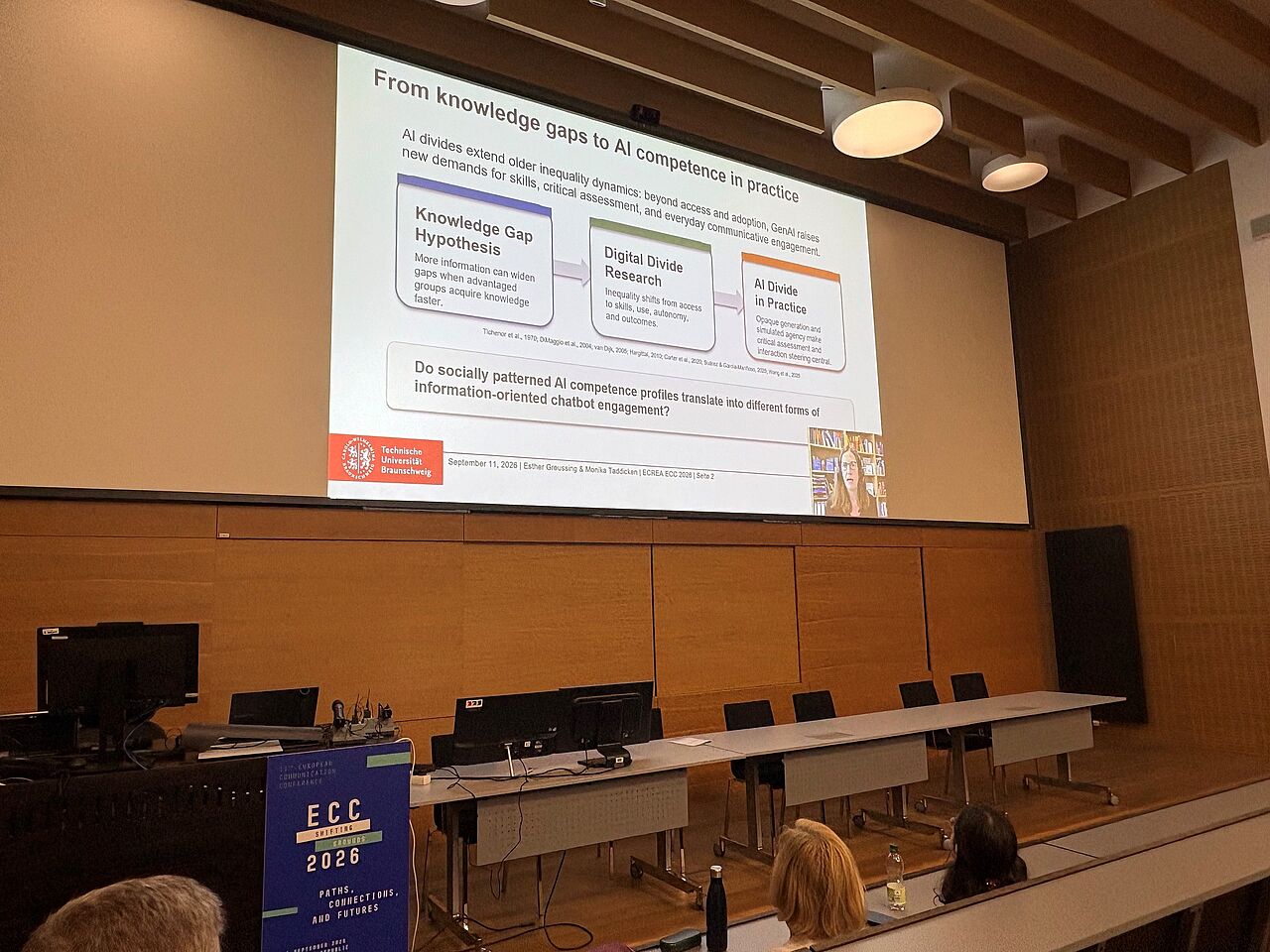
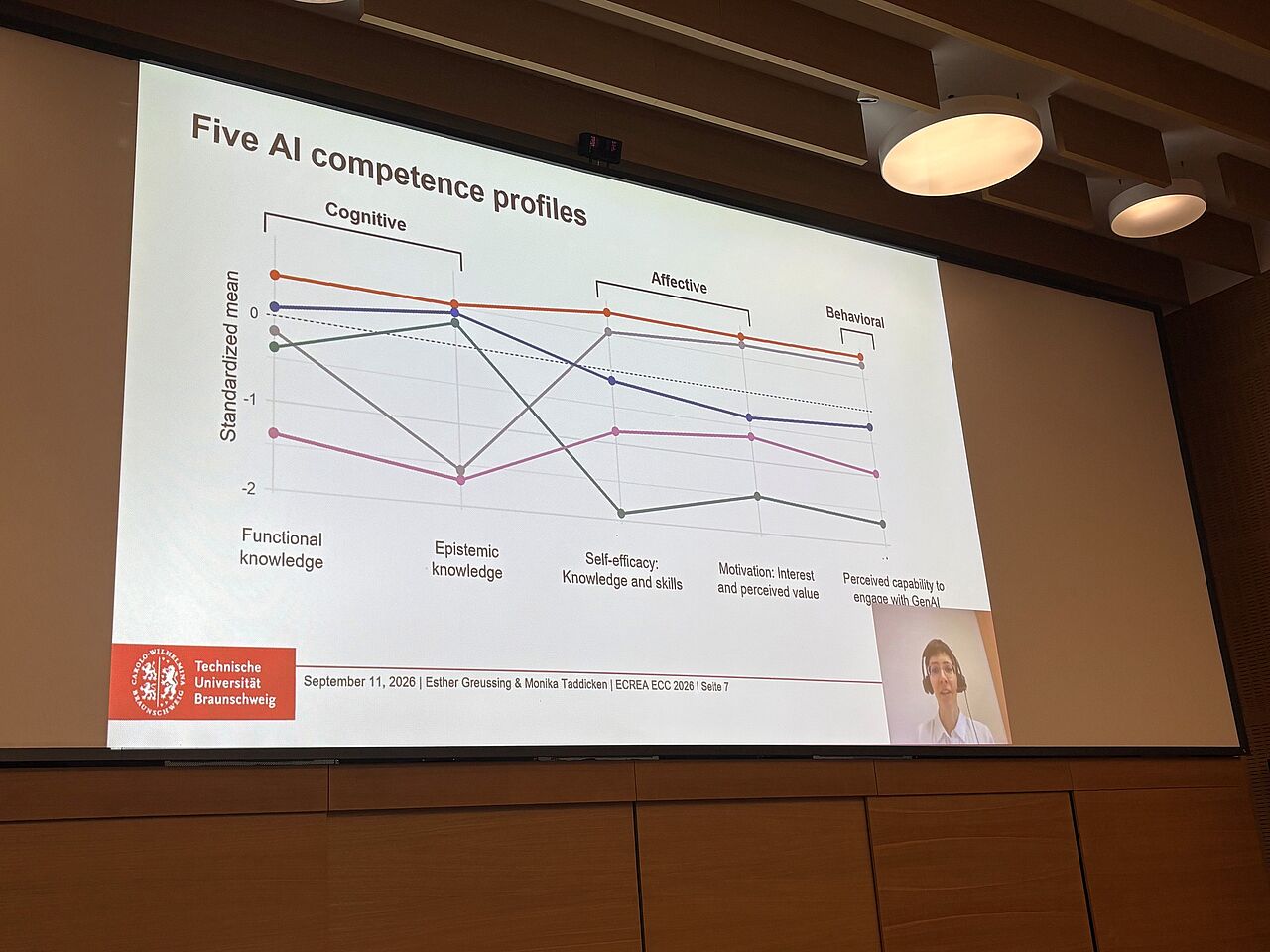
The Institute for Communication Science was represented at this year's European Communication Conference (ECC) in Brno (Czech Republic) from September 8 to 11 with several presentations by Irene Broer, Esther Greussing, Evelyn Jonas, and Monika Taddicken.
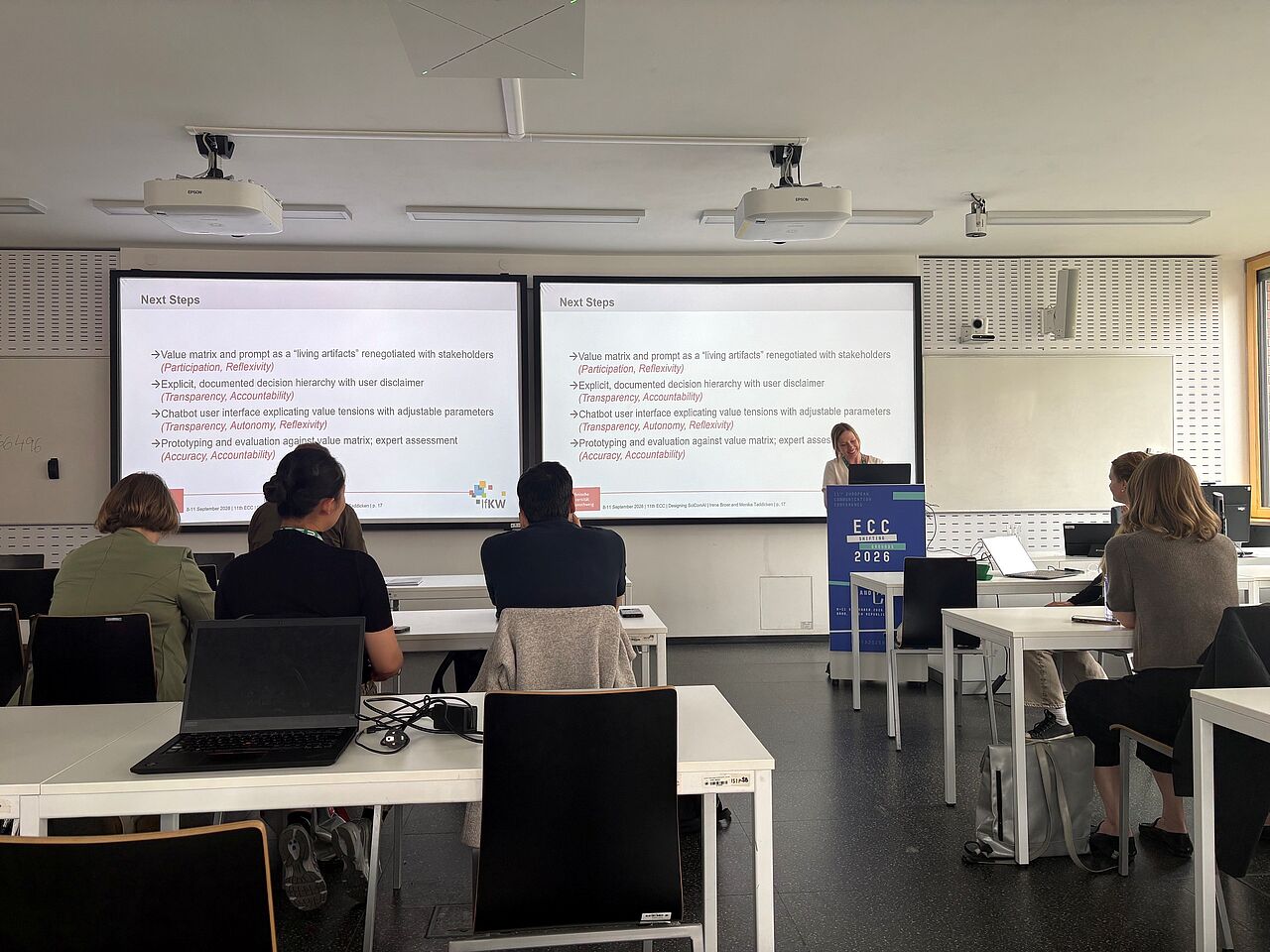
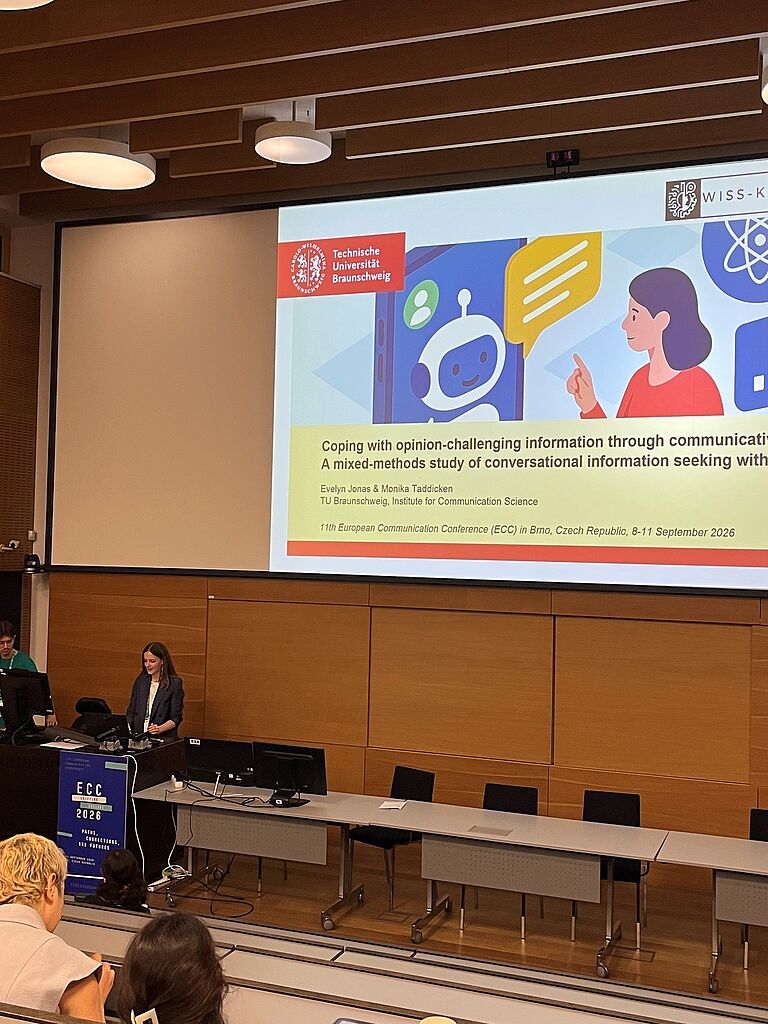
They presented a series of studies from the Wiss-KKI project at the intersection of science communication and human-machine communication. They examined what "Value-Sensitive Design" can - and cannot - offer when designing communicative AI chatbots for science communication, which five AI competency profiles can be identified in Germany, and how people cope with opinion-challenging information through communicative AI.
Here are some impressions.
07/23/2026
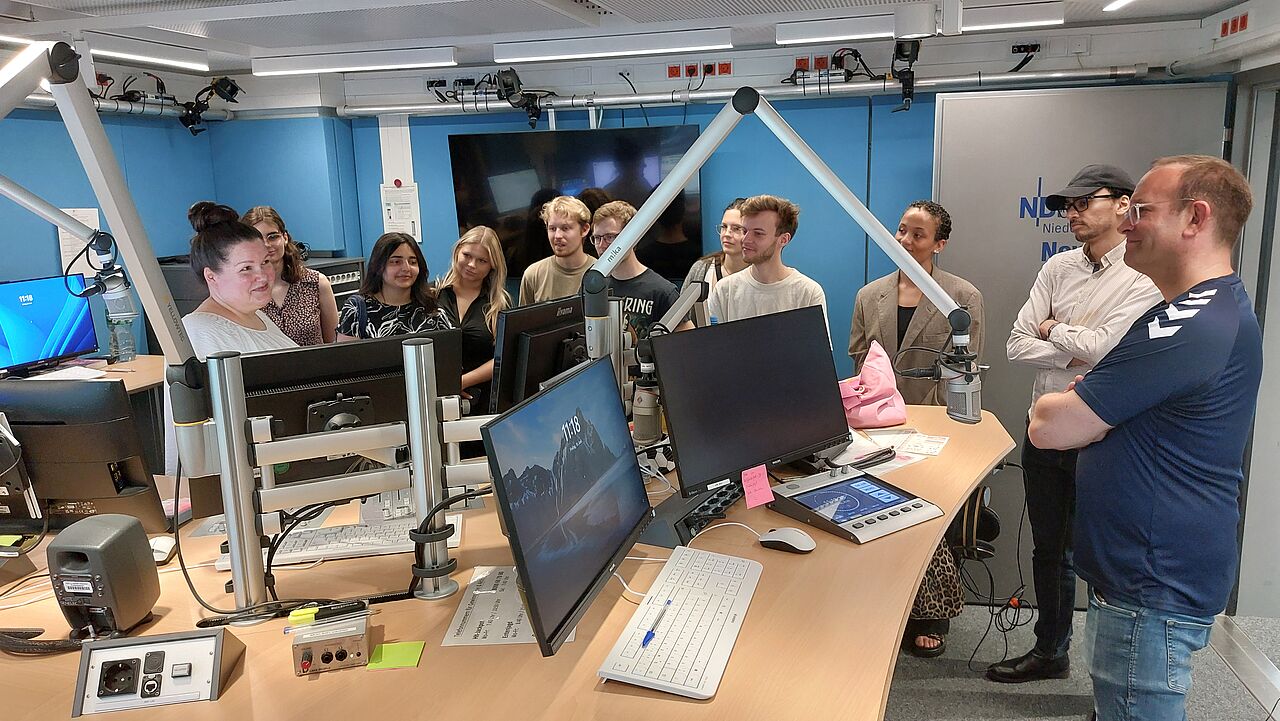
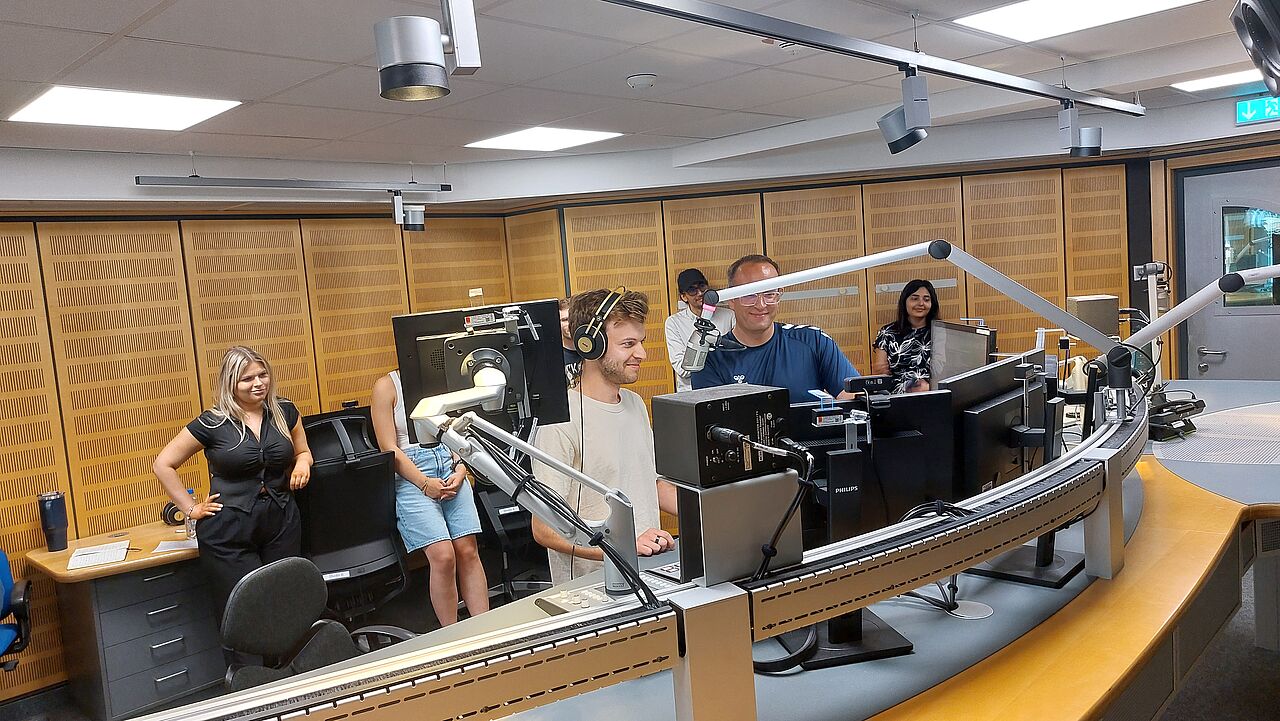
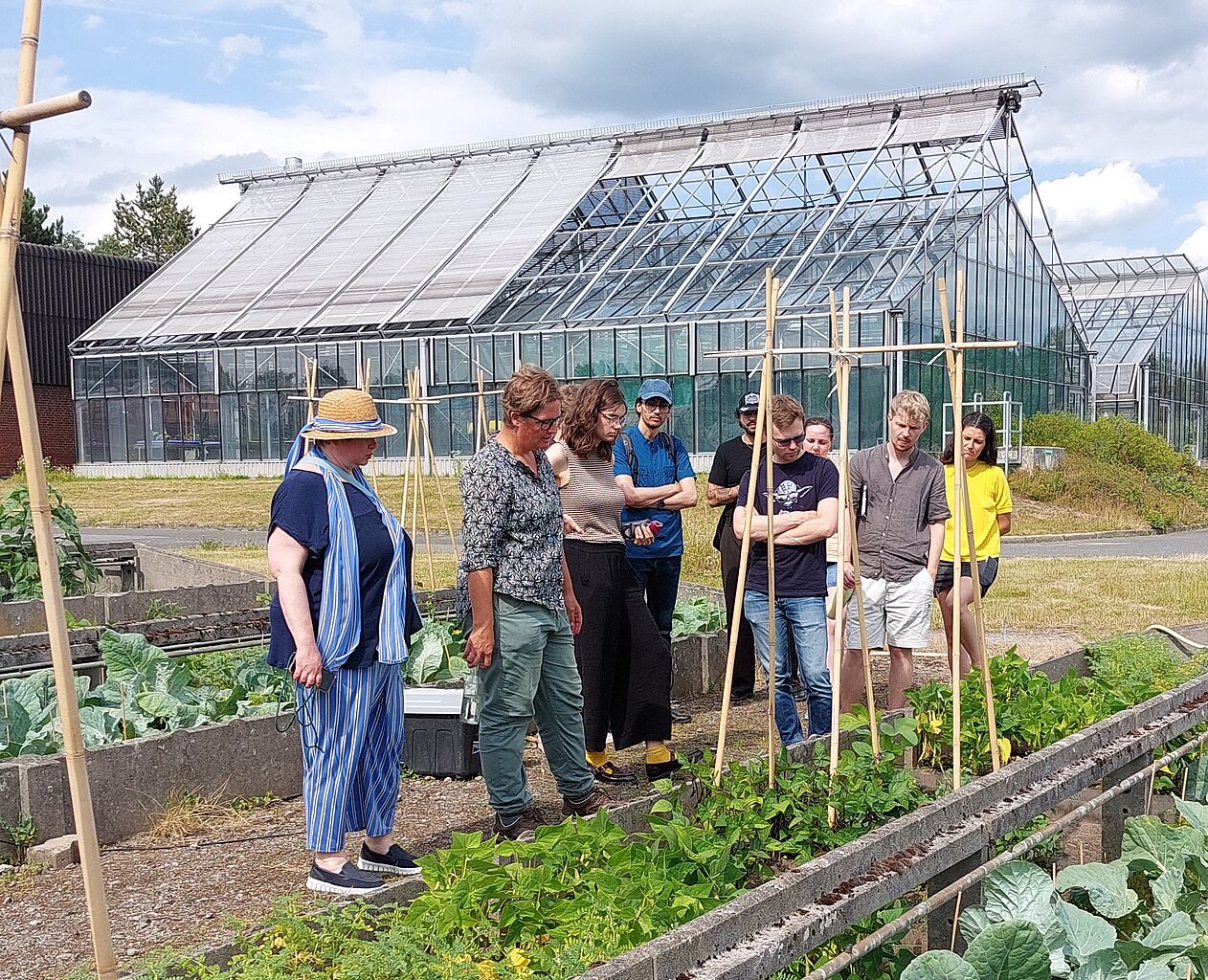
As part of the seminar ‘Up close - in conversation with science journalists and PR professionals’ during the summer semester 2026, IfKW students visited the NDR Regional Broadcasting Centre in Hanover and the Julius Kühn Institute (JKI) Federal Research Centre for Cultivated Plants in Braunschweig.
At the NDR regional broadcasting center, NDR1 host Sören Oelrichs gave the group a tour that included the original set of “Hallo Niedersachsen” and the NDR radio studio. Afterward, the students took the opportunity to talk with the hosts about their day-to-day work. A radio workshop rounded out the visit. At the Julius Kühn Institute, the participants first exchanged ideas with Stefanie Hahn, head of public relations. Afterward, researchers provided them with insights into various projects and introduced them to communication work at the intersection of research and the public. The excursion was organized and led by seminar instructor Carmen Woisczyk, who provided the students with practical insights into journalism and science communication through these two visits.
We would like to extend our heartfelt thanks to NDR and the Julius Kühn Institute for the open dialogue and the fascinating insights.
Pictures: © Carmen Woisczyk

07/08/2026
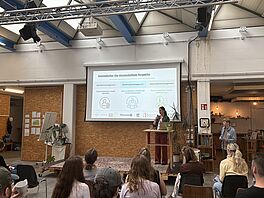
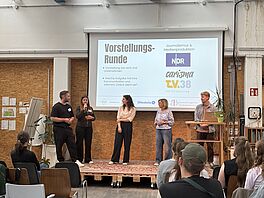
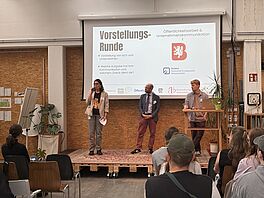
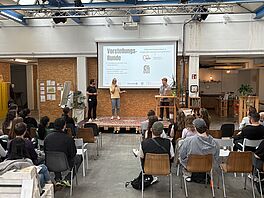
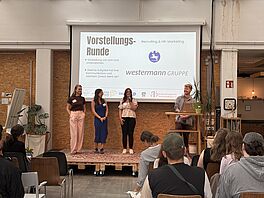
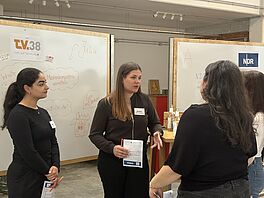
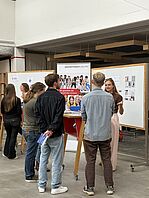
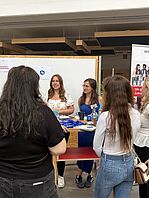
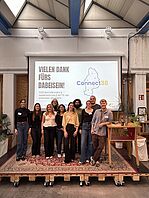
On July 6, 2026, the first Connect38 networking event took place at DenkRaum Braunschweig. The event was organized by master's and bachelor's students from HBK and TU Braunschweig under the guidance of Evelyn Jonas and offered an opportunity to gain insights into the working life of media and communication, and to establish first personal contacts with different company representatives from the region.
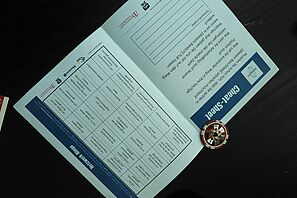
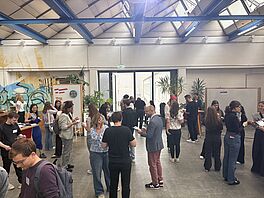
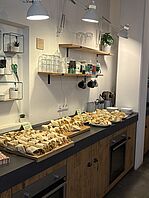
DiKuM student Benjamin Roeloffs led the participants through the event, which began with a welcoming address by Prof. Dr. Monika Taddicken. During an introductory round, company representatives from Öffentliche Versicherung Braunschweig, the AWO-Bezirksverband Braunschweig, NDR Studio Braunschweig, Ostfalia, Westermann Group, City of Braunschweig (Communication Department), as well as representatives from Call the Dude, TV38, and Carisma Media provided first insights into their academic and professional backgrounds as well as their everyday work. Afterward, participants engaged in casual conversation during "Networking Bingo", before the representatives were available at their respective stations to answer questions, offer advice, and present first job opportunities. After enjoying some delicious refreshments, sponsored by Öffentliche Versicherung Braunschweig and the Braunschweig University Association, participants were able to continue their conversations in a relaxed atmosphere.
Here are some impressions.
07/08/2026
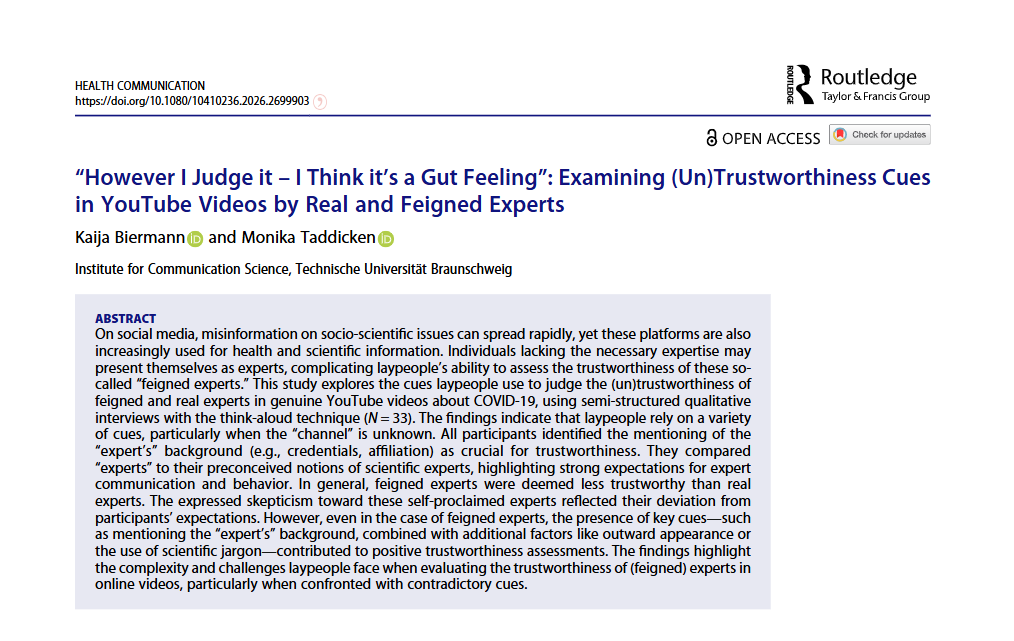
Kaija Biermann and Monika Taddicken have published an article in Health Communication. Using think-aloud interviews, they examine how laypeople assess the trustworthiness of real and feigned experts in authentic YouTube videos about COVID-19. The results show that participants rely on a wide range of (un)trustworthiness cues. Across all interviews, the mentioning of the expert's background (e.g., credentials and institutional affiliation) emerged as the most important cue for trustworthiness assessments. Furthermore, participants also compare experts to their own expectations of how scientific experts should communicate and behave. Overall, expertise-related cues play a particularly prominent role in participants' evaluations. However, these same cues also make it more difficult to identify feigned experts, since cues like a professional appear or the use of scientific jargon are often perceived as trustworthy despite feigned experts lacking genuine expertise.
These findings highlight the complexity and challenges laypeople face when evaluating the trustworthiness of (feigned) experts in online videos, particularly when confronted with contradictory cues. As health and science communication increasingly takes place on video-based social media, understanding how people evaluate the trustworthiness of experts in these environments is becoming increasingly important.
Click here to access the publication.
06/16/2026
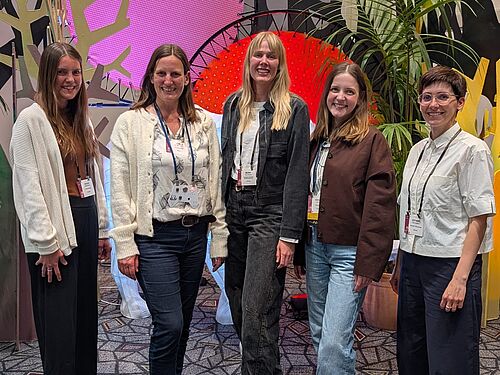
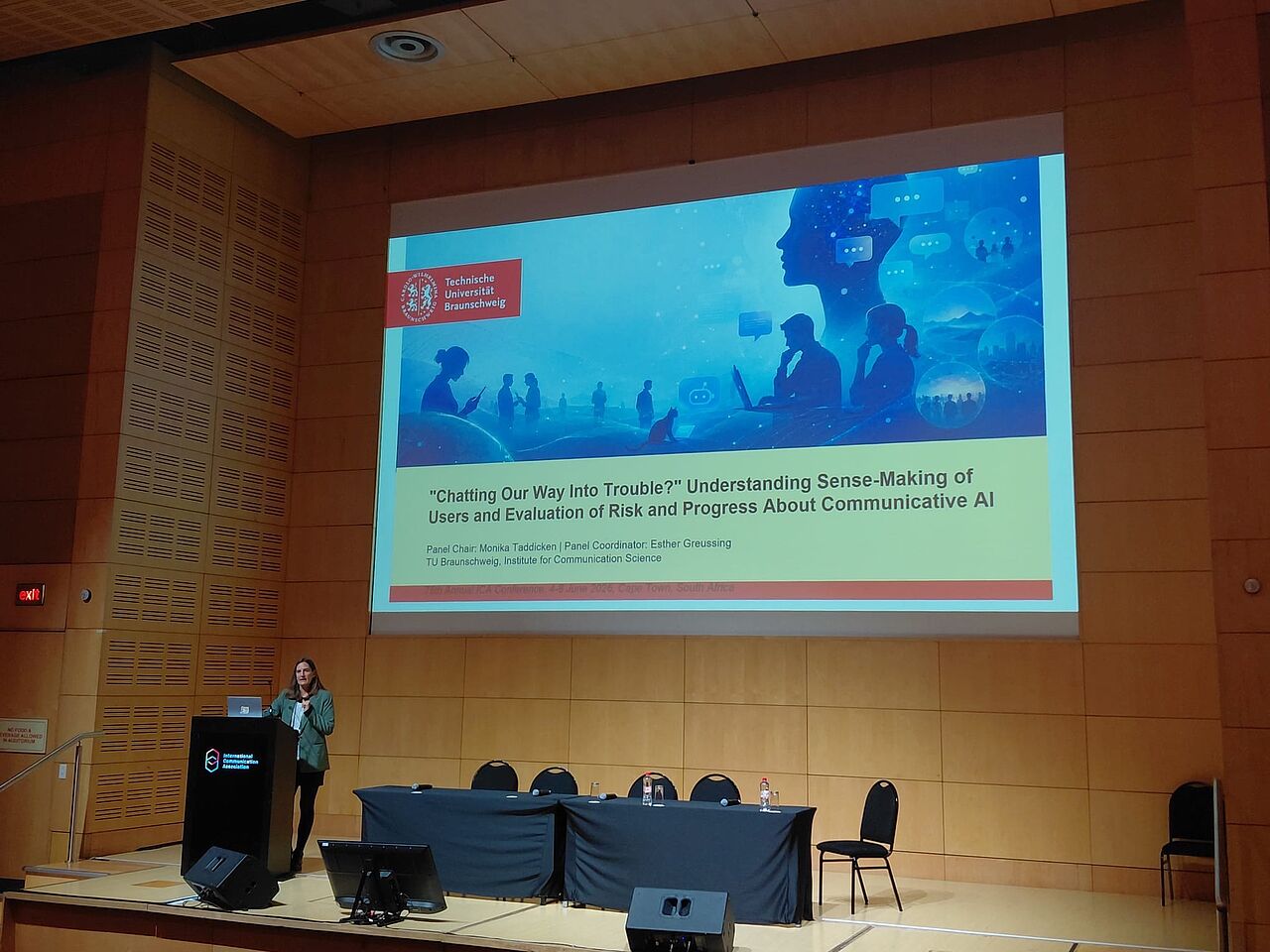
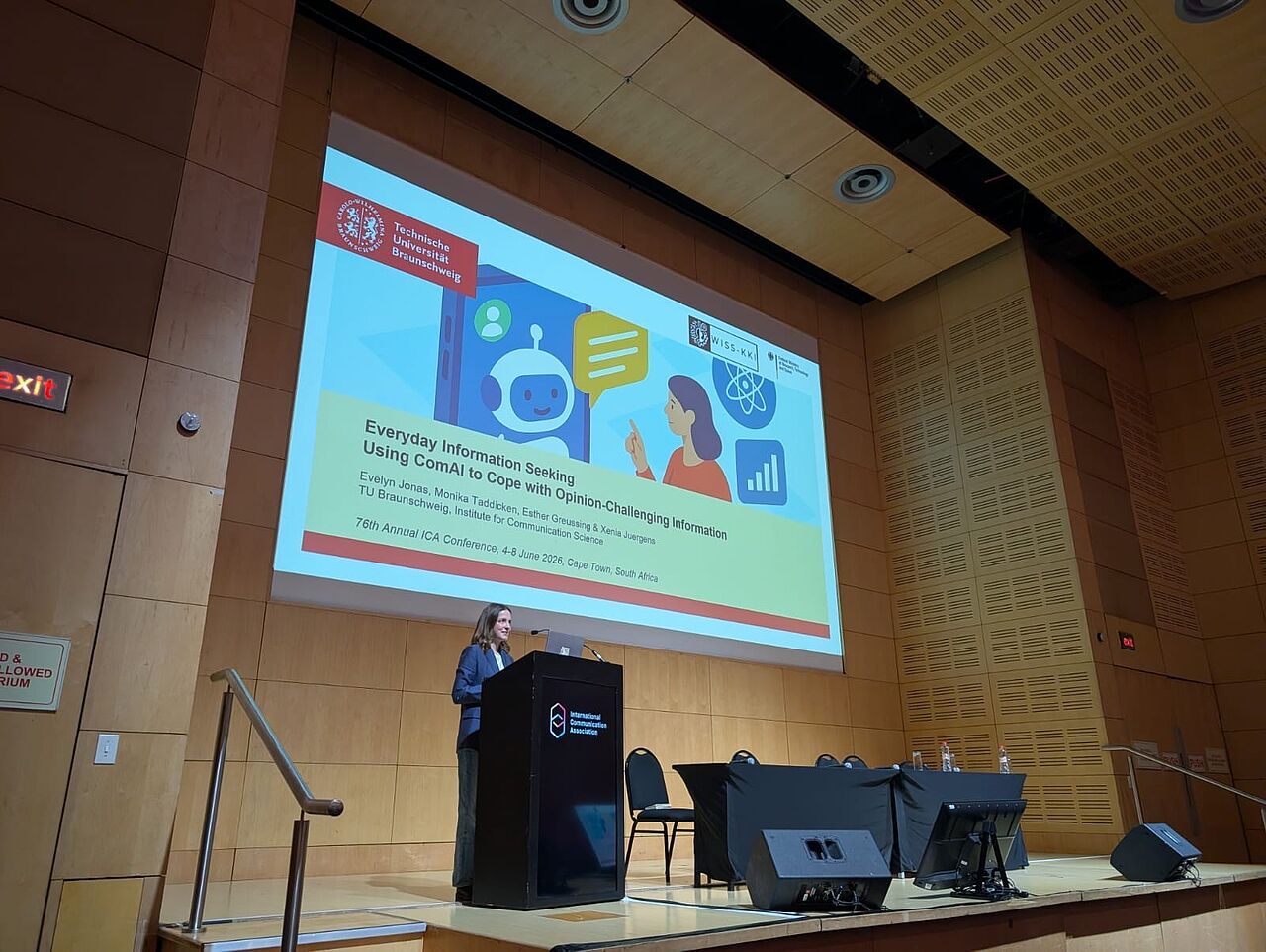
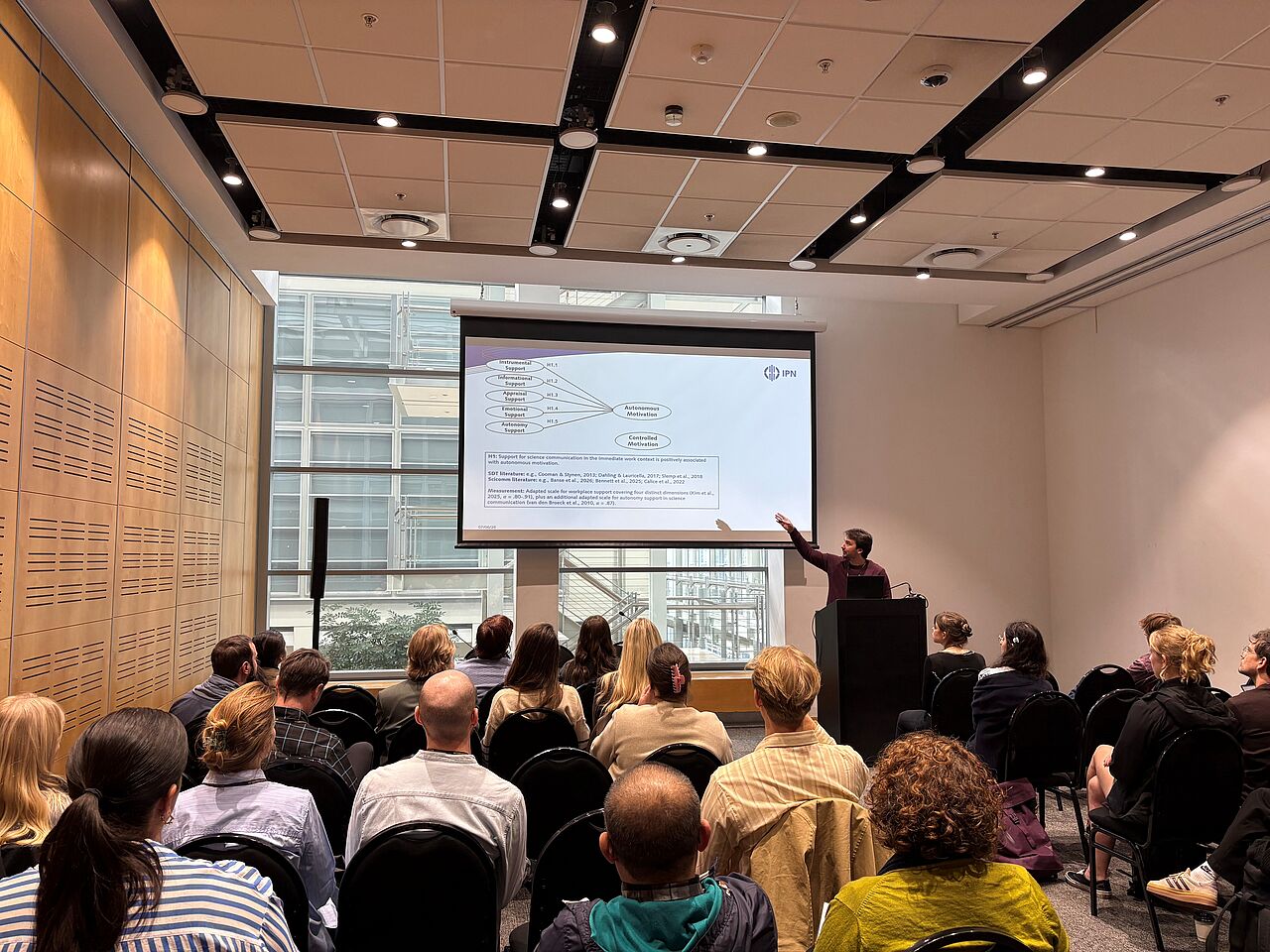
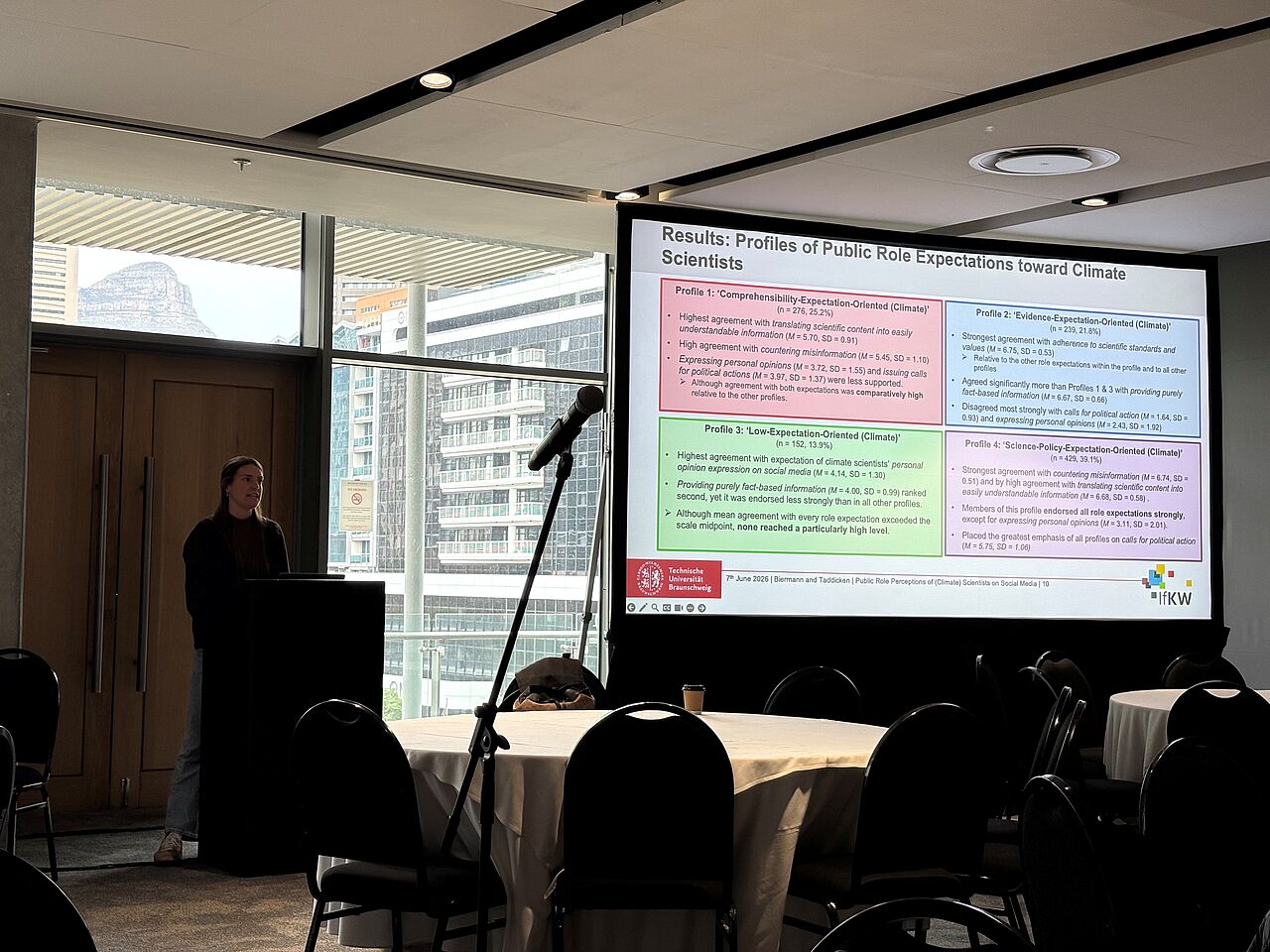
The Institue for Communication Science was represented at this year's International Communication Association (ICA) conference in Cape Town (South Africa) from June 4 to 8 with several presentations by Kaija Biermann, Esther Greussing, Evelyn Jonas, Monika Taddicken, and Mona Wehming (Physikalisch-Technische Bundesanstalt).
They presented a series of diverse studies at the intersection of science communication and human-machine communication. Topics and phenomena examined include the public's role conception of scientists on social media, the influence of science-related attitudes on the perception of dubious sources on social media, the role of parascocial relationships for science communication, and the role of communicative AI in coping with opinion-challenging information.
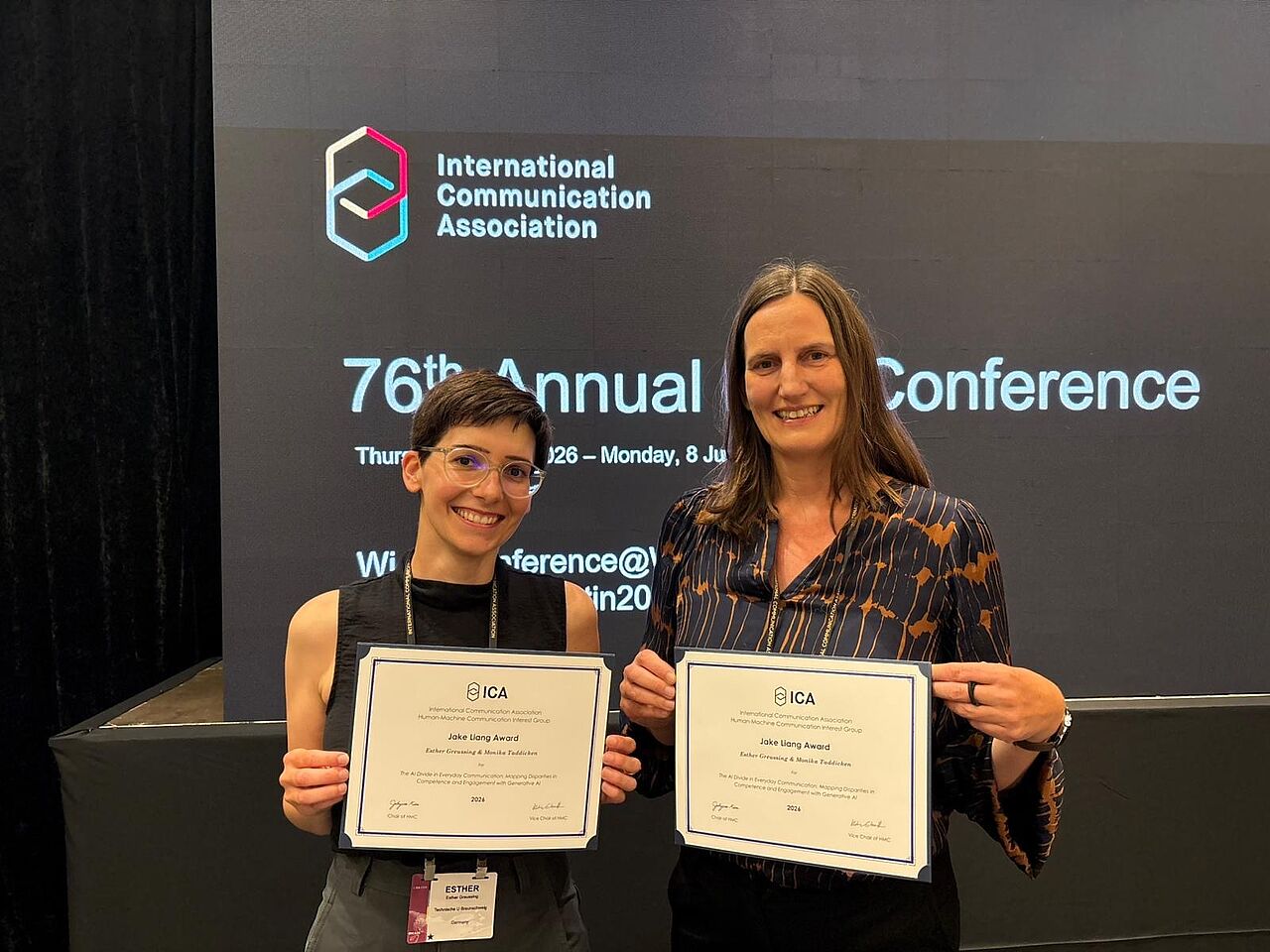
Esther Greussing and Monika Taddicken were honored with the Jake Liang Award for their study on "The AI Divide in Everyday Communication: Mapping Disparities in Competence and Engagement with Generative AI".
You can find the previously published studies on our website.
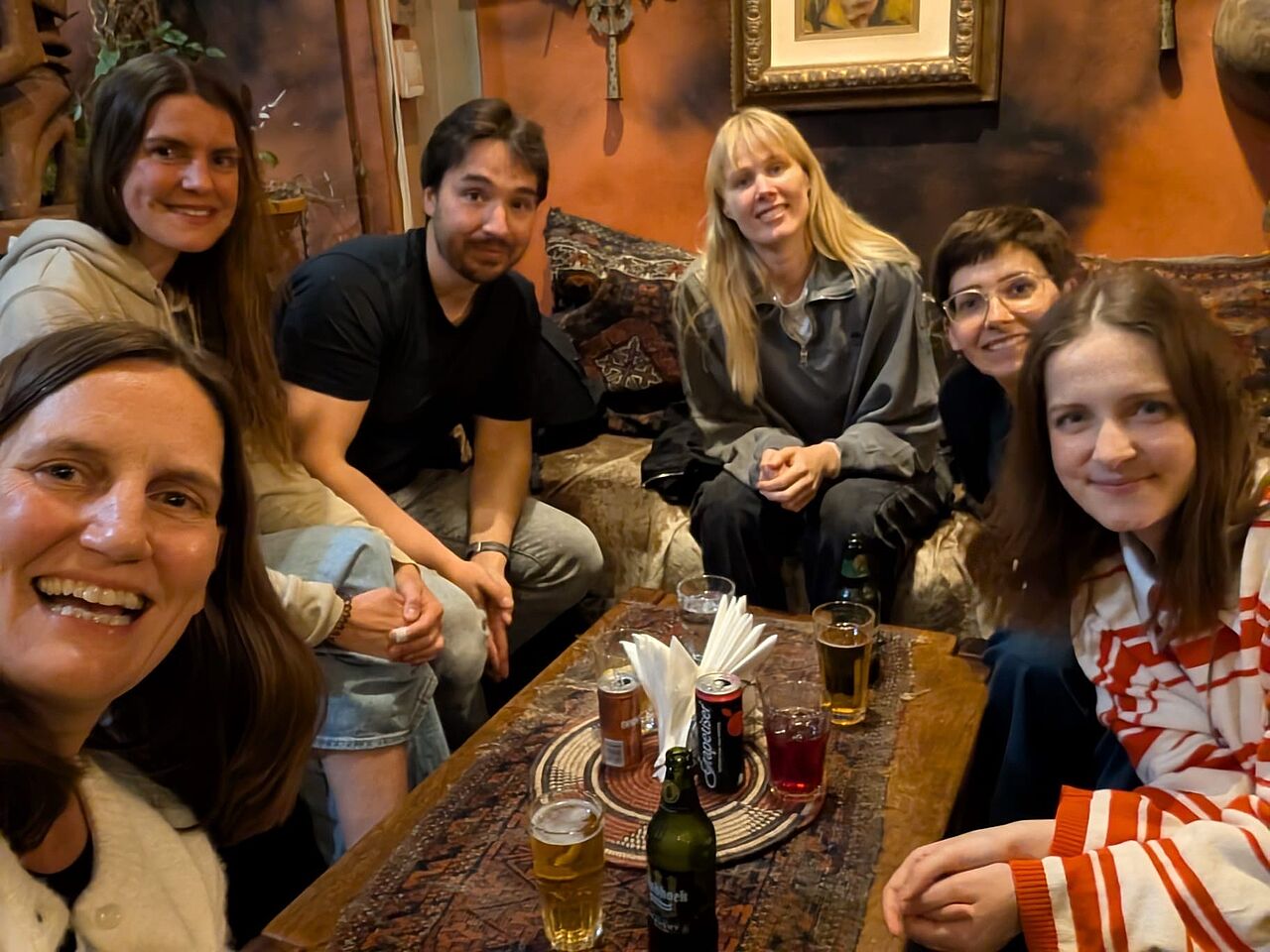
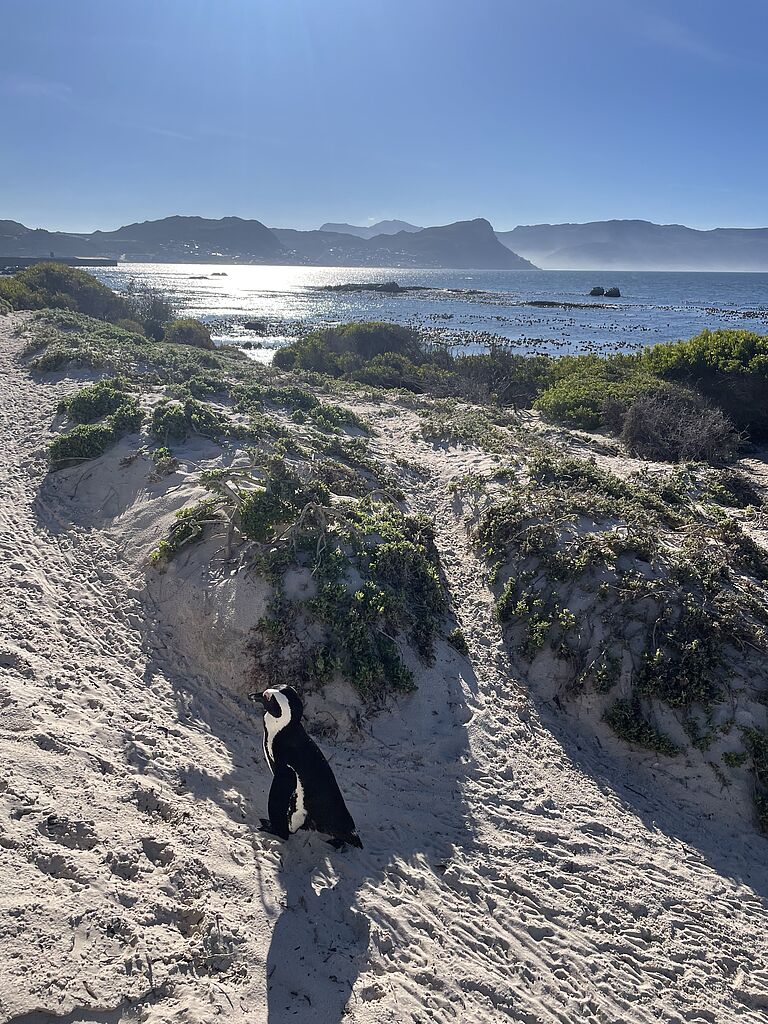
Here are some impressions.

05/27/2026
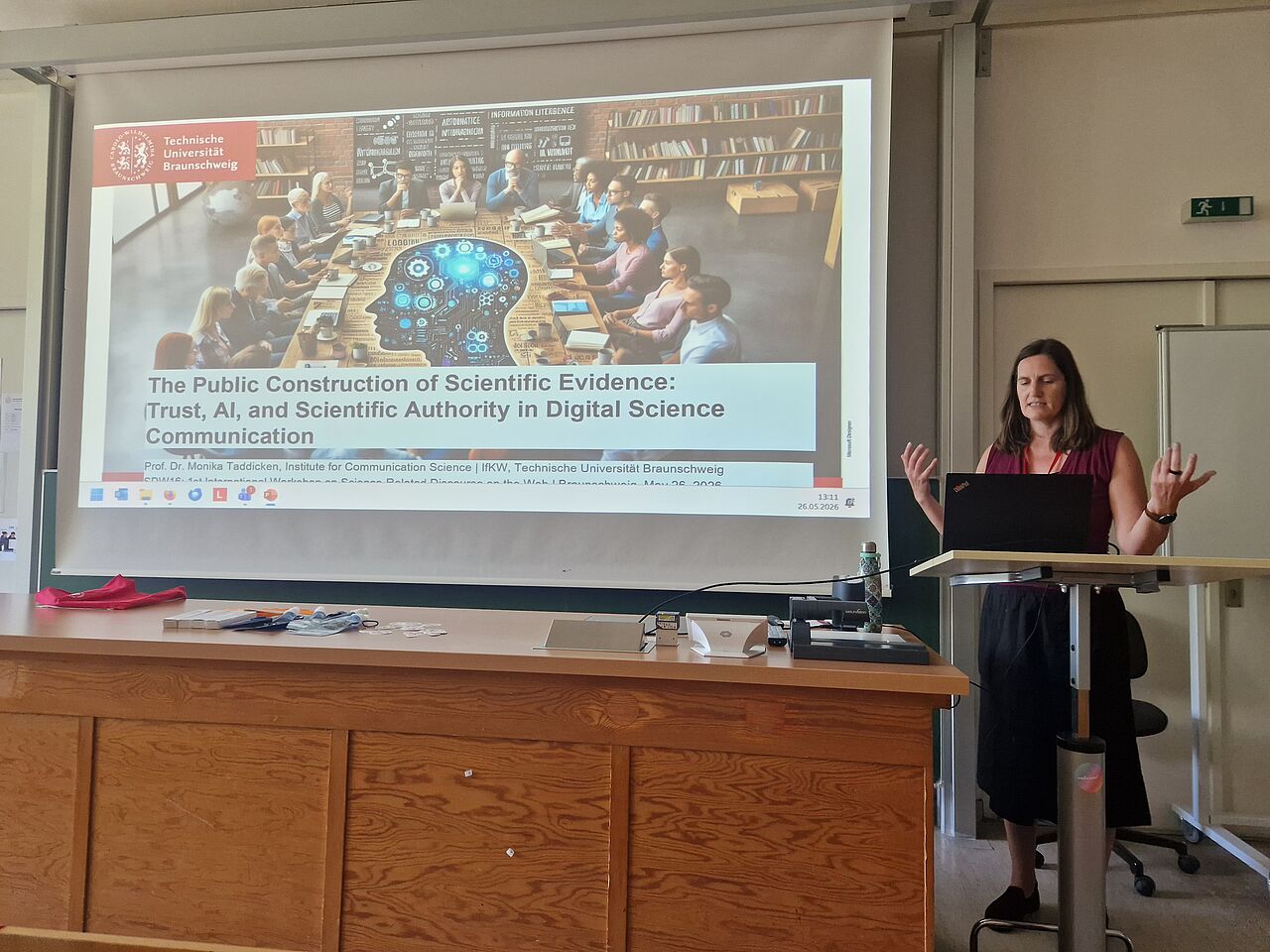
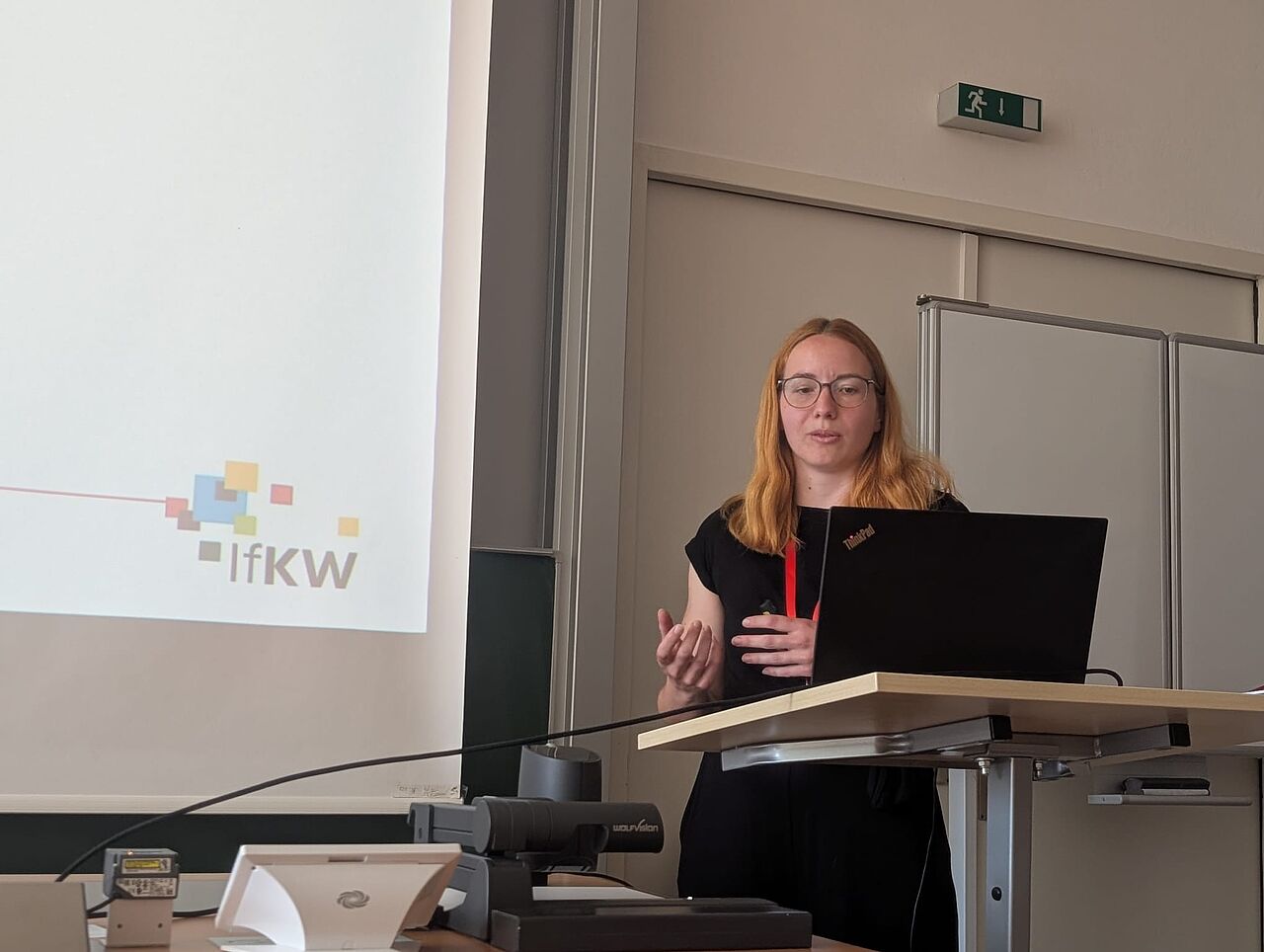
On May 26, the first International Workshop on Science-Related Discourse on the Web - collocated with the Web Science Conference 2026 - took place in Braunschweig. Monika Taddicken presented a keynote titled "The Public Construction of Scientific Evidence: Trust, AI, and Scientific Authority in Digital Science Communication”. In addition, Nicola Peters (together with Monika Taddicken) presented her study on "Evidence Practices in Agonistic and Antagonistic Conflicts in Climate-Skeptical Counterpublics on Telegram".
Here are some impressions from the day.
05/04/2026
We welcome Sarah Wendt as a new member of the IfKW. She has been working with us as the institute secretary since May 1, 2026. Sarah Wendt is available Monday to Friday from 9:00 a.m. to 11:00 a.m. (Room 237). You can contact her by mail at sekretariat-ifkw(at)tu-braunschweig.de, or by phone at extension -8961.
04/27/2026
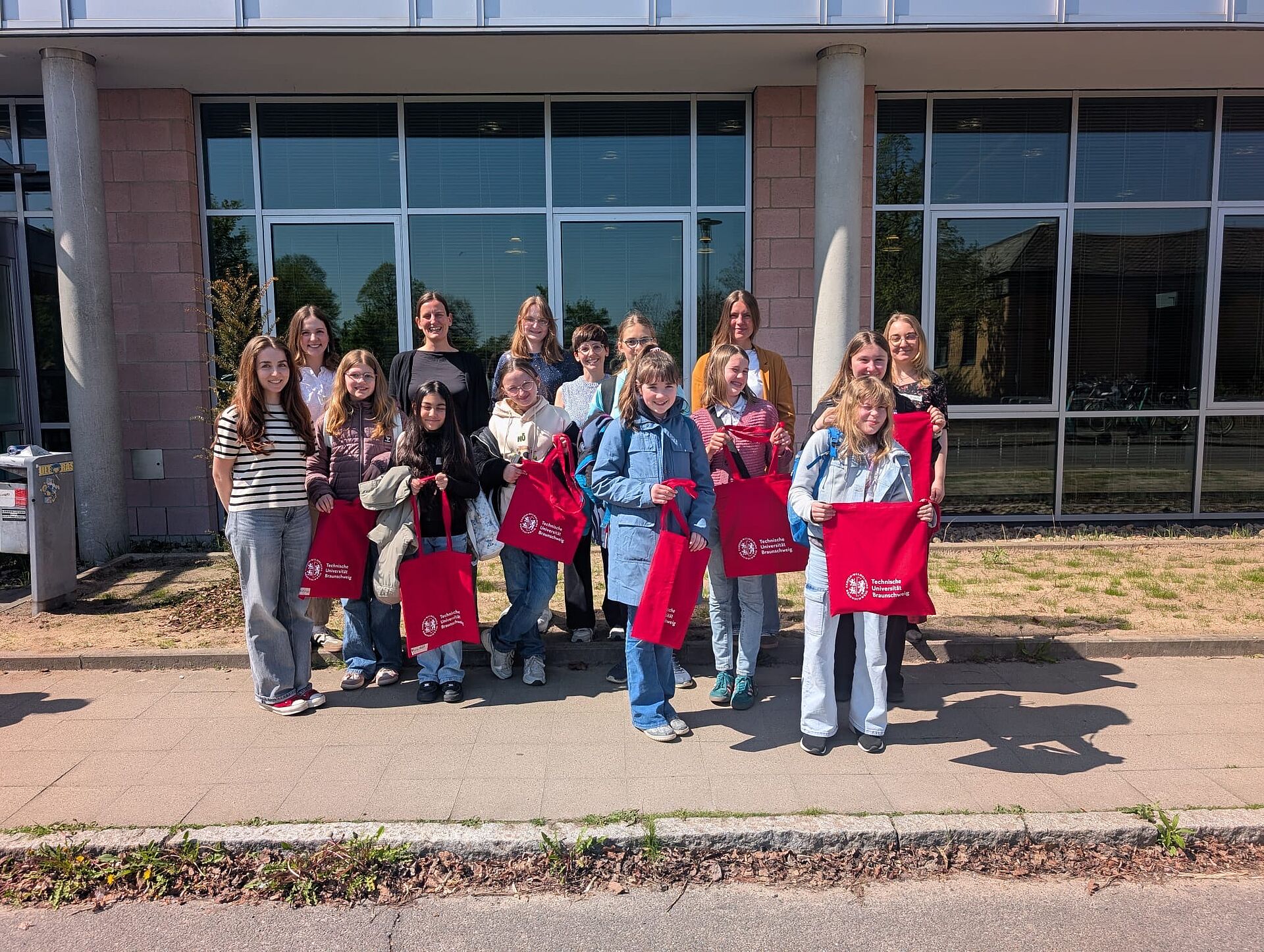
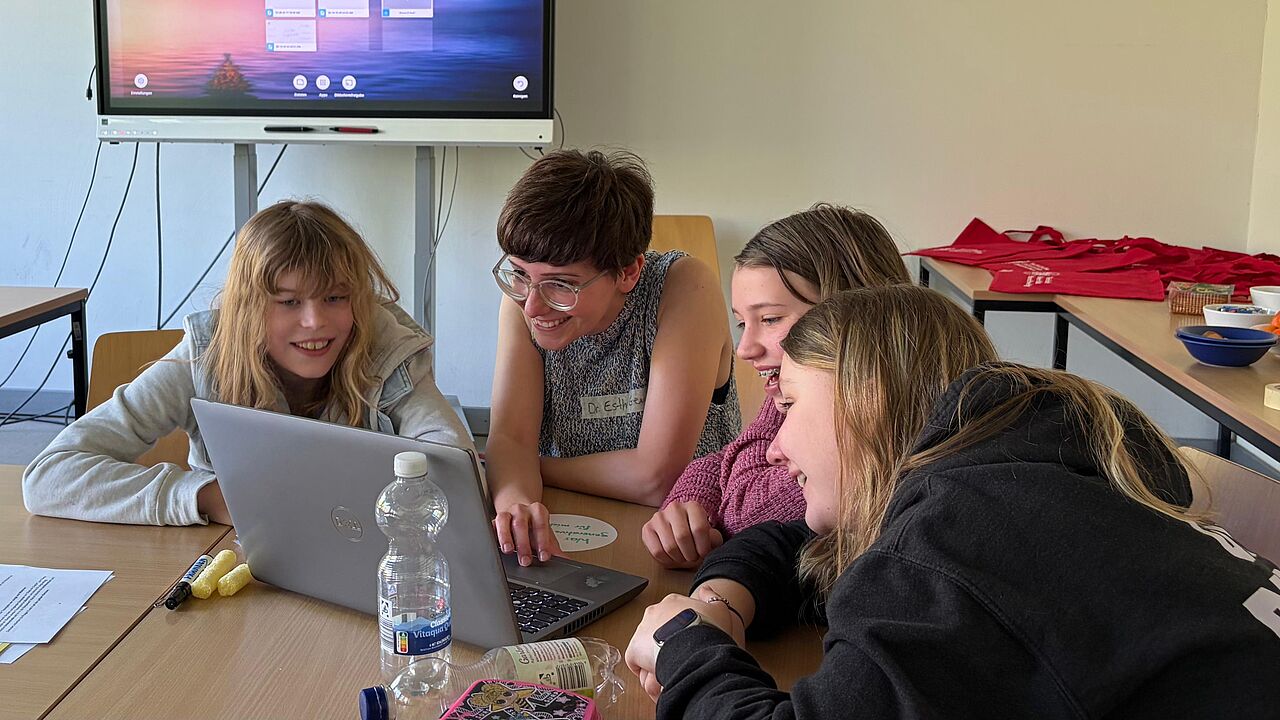
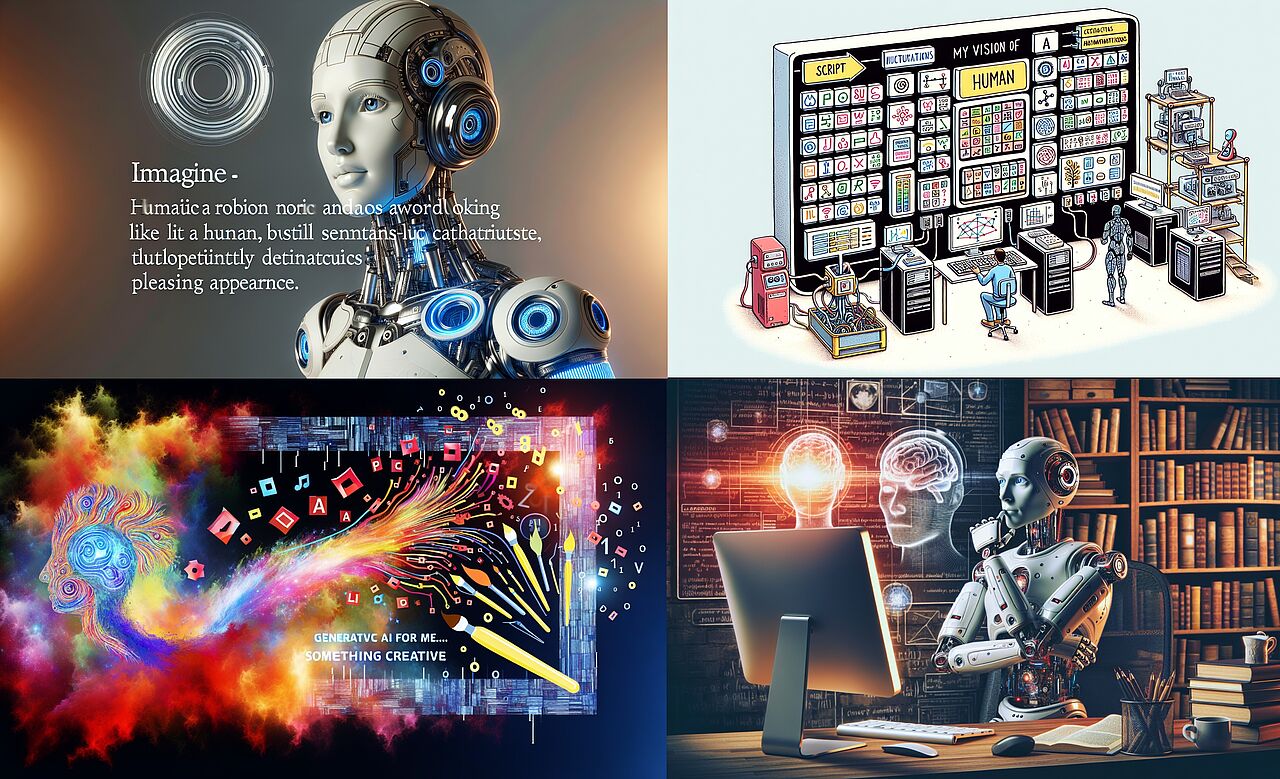
On this year's Future Day, 11 students visited the IfKW to gain insights into the field of communication science. Under the theme "Exploring ChatGPT and Co.", they were able to discover the versatile and fascinating aspects of the field through various tasks.
After a joint introduction, the participants then explored the ethical aspects of generative AI on their own. To this end, the students discussed key ethical questions, including: How can generative AI be used in researching information, and how does one handle personal content? Afterwards, participants created their own image regarding the topic "What does generative AI mean for me?", using the AI toolbox fom the Technische Universität Braunschweig, which they then discussed in a poster presentation.
The many questions, inspiring discussions, and creativity brought great joy to both sides - we, too, were able to take a lot away from the day.

04/13/2026
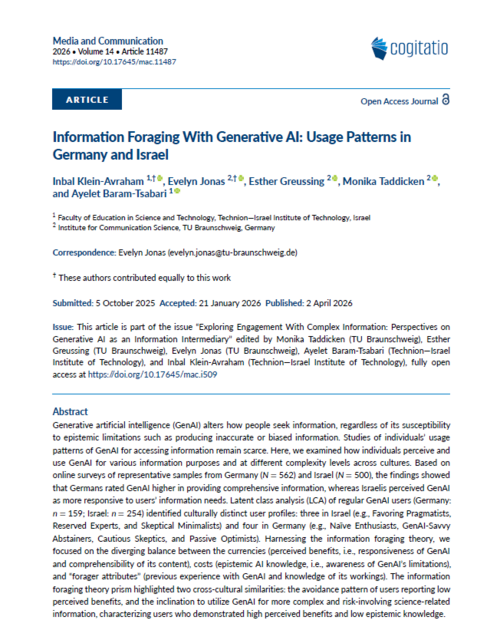
Evelyn Jonas, Esther Greussing, and Monika Taddicken, together with Inbal Klein‐Avraham and Ayelet Baram‐Tsabari, have published an article in Media and Communication as part of the ALIES project. In the study, the authors examined how individuals perceive and use GenAI for various information purposes and at different complexity levels across cultures. The study is based on a cross-national examination and offers first insights into the identification of culturally distinct user profiles. In addition, the study shows the characteristics that influence information-seeking behaviors.
Click here to access the publication.
02/23/2026
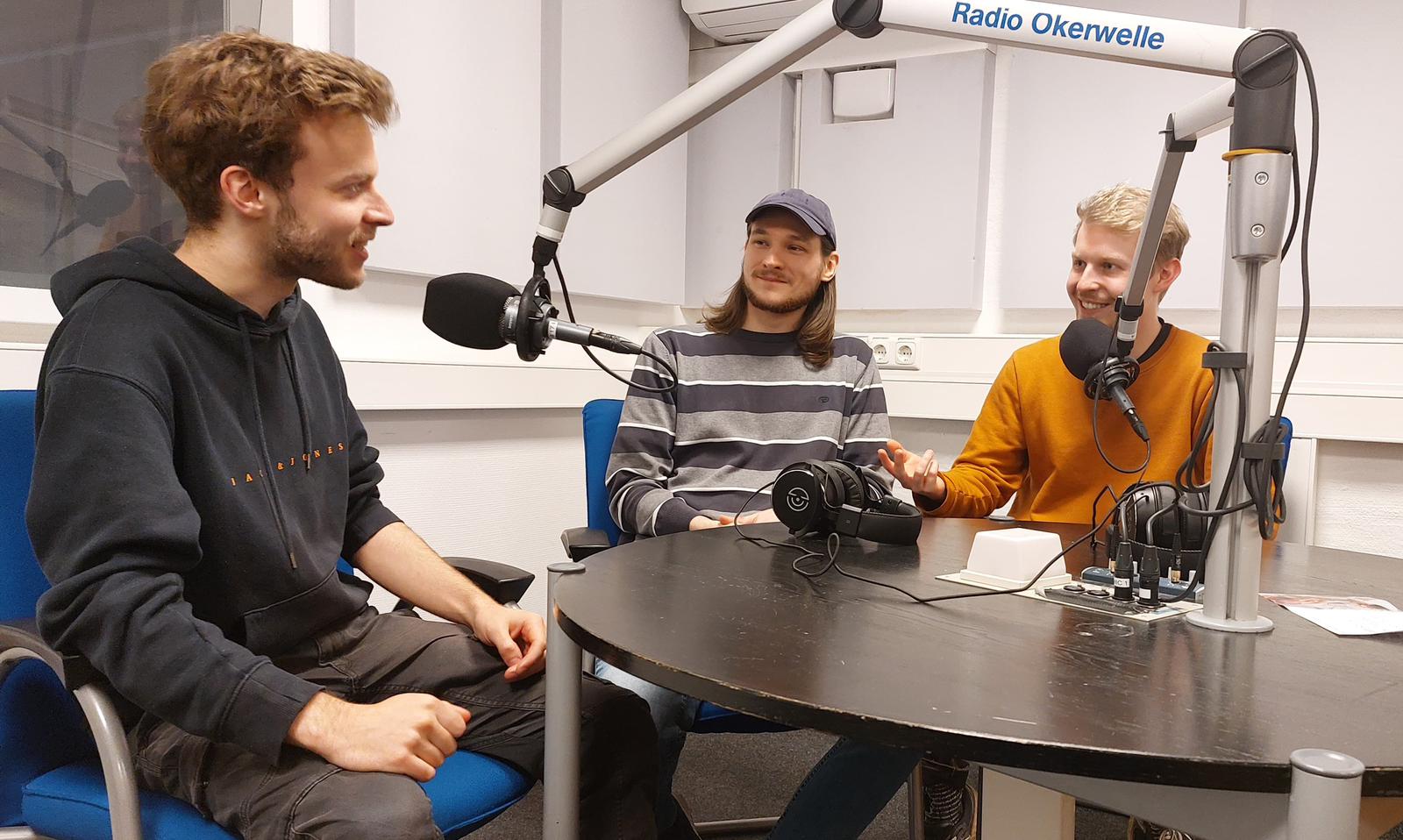
In the new episode of ‘Campus on Air’ - the science podcast from the Institute of Communication Science - students Hannes Kracht, Falk Sonneberg, Benjamin Roeloffs, and Jan Hartig from the TU Braunschweig talk about time. During their trip to the Physikalisch-Technische Bundesanstalt (PTB), they spoke with expert Dr. Nils Huntemann about how time is measured - in the past, present, and in the future. Moreover, students Lei Wang and Lucas Stephen talk about climate and nutrition. Two experts from the Institute for Crop and Soil Science at the Julius Kühn Institute and the Thünen Institute of Market Analysis provided information on how climate-adapted agriculture and climate-friendly nutrition can contribute to achieving climate goals.
The podcast was created in cooperation with Radio Okerwelle. Students who are also interested in producing a podcast can register for the seminar ‘Campus on Air - the science podcast’ (lecturer Carmen Woisczyk) in the winter semester.
You can listen to the new episodes of the podcast here and here.
01/26/2026
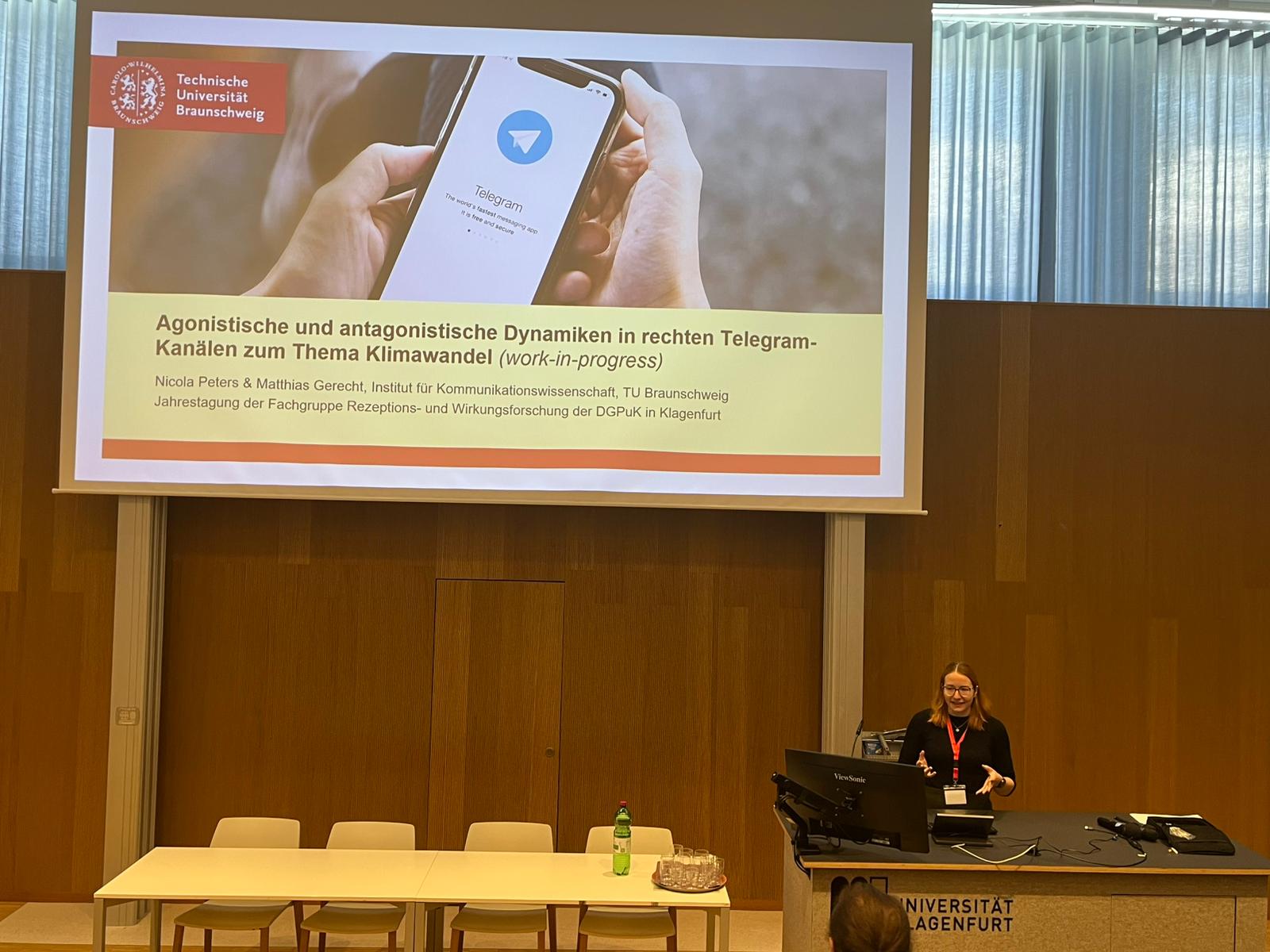
From January 21 to 23, the annual conference of the Reception and Effects Research Division of the German Communication Association (DGPuK) took place in Klagenfurt. The overarching theme of the conference was "Between Participation and Silencing – The Ambivalence of Online Discussions and Their Consequences". Nicola Peters (together with IfKW master's student Matthias Gerecht) gave a presentation titled "Agonistische und antagonistische Dynamiken in rechten Telegram-Kanälen zum Thema Klimawandel".
01/22/2026
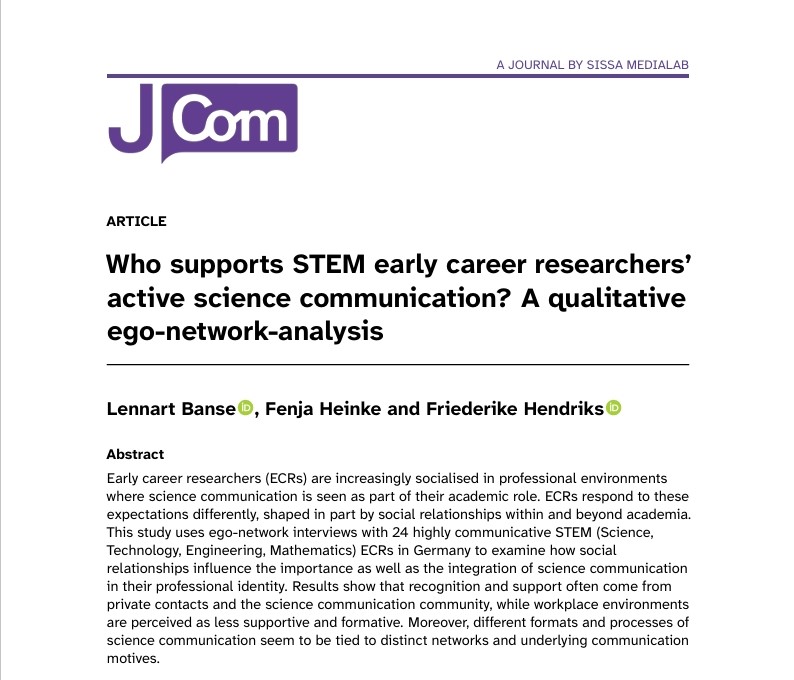
Lennart Banse and Friederike Hendriks, together with Fenja Heinke, have published an article in the Journal of Science Communication. Fenja Heinke laid the foundations for the paper in her master's thesis as part of the “Organisation, Governance, Education” program at the Technische Universität Braunschweig.
This study uses ego-network interviews with 24 highly communicative STEM early-career researchers in Germany to examine who supports their active science communication. Drawing on role identity theory, the results suggest that PhD students who are already actively involved in science communication develop very strong communication identities. These identities are often supported outside of academic structures. However, when young scientists engage in science communication on their own initiative, the support and appreciation they receive within their workplace environment declines. The authors also point out that the formats and contexts of science communication can vary, and are therefore sometimes associated with fundamentally different identities, motivations, and relationship networks.
Click here to access the publication.
01/12/2026
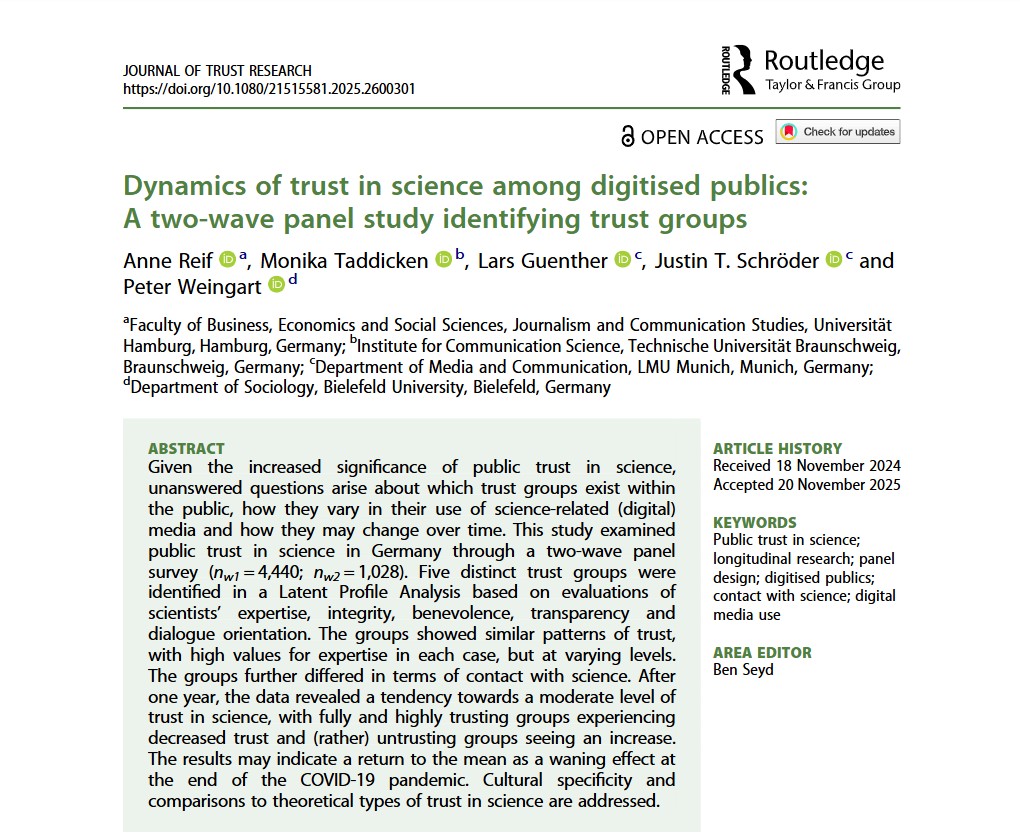
Anne Reif, Monika Taddicken, Lars Guenther, Justin Schröder, and Peter Weingart have published an article in the Journal of Trust Research. The study examined public trust in science in Germany through a two-wave panel survey. Five distinct trust groups were identified in a Latent Profile Analysis based on evaluations of scientists’ expertise, integrity, benevolence, transparency, and dialogue orientation. The results show that the groups exhibited similar patterns of trust, but at varying levels. After one year, the data revealed a tendency towards a moderate level of trust in science, with fully and highly trusting groups experiencing decreased trust and untrusting groups seeing an increase.
Click here to access the publication.
12/15/2025
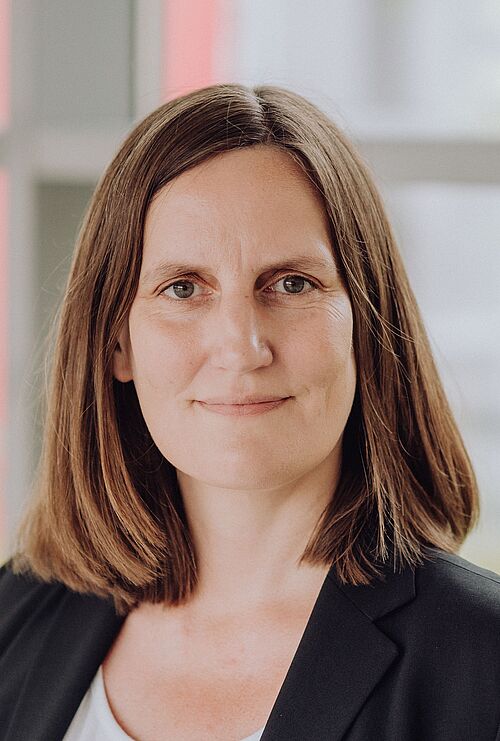
Monika Taddicken has published an article in Current Opinion in Psychology. Using an audience-centred Quality Assessment Scale, she analyzes the audience's expectations of science in 15 dimensions and then conceptualizes trust with the Public Trust in Science Scale as multidimensional. Since information about science reaches the public through intermediaries, the transfer of complex knowledge as well as managing ambiguity and uncertainity are of great importance. Mapping quality signals to trust outcomes yields testable recommendations for strategies that balance detail, uncertainty, relevance, and engagement without sacrificing rigor, while also offering a basis for designing, measuring, and iterating trust building communication.
Click here to access the publication.
12/15/2025
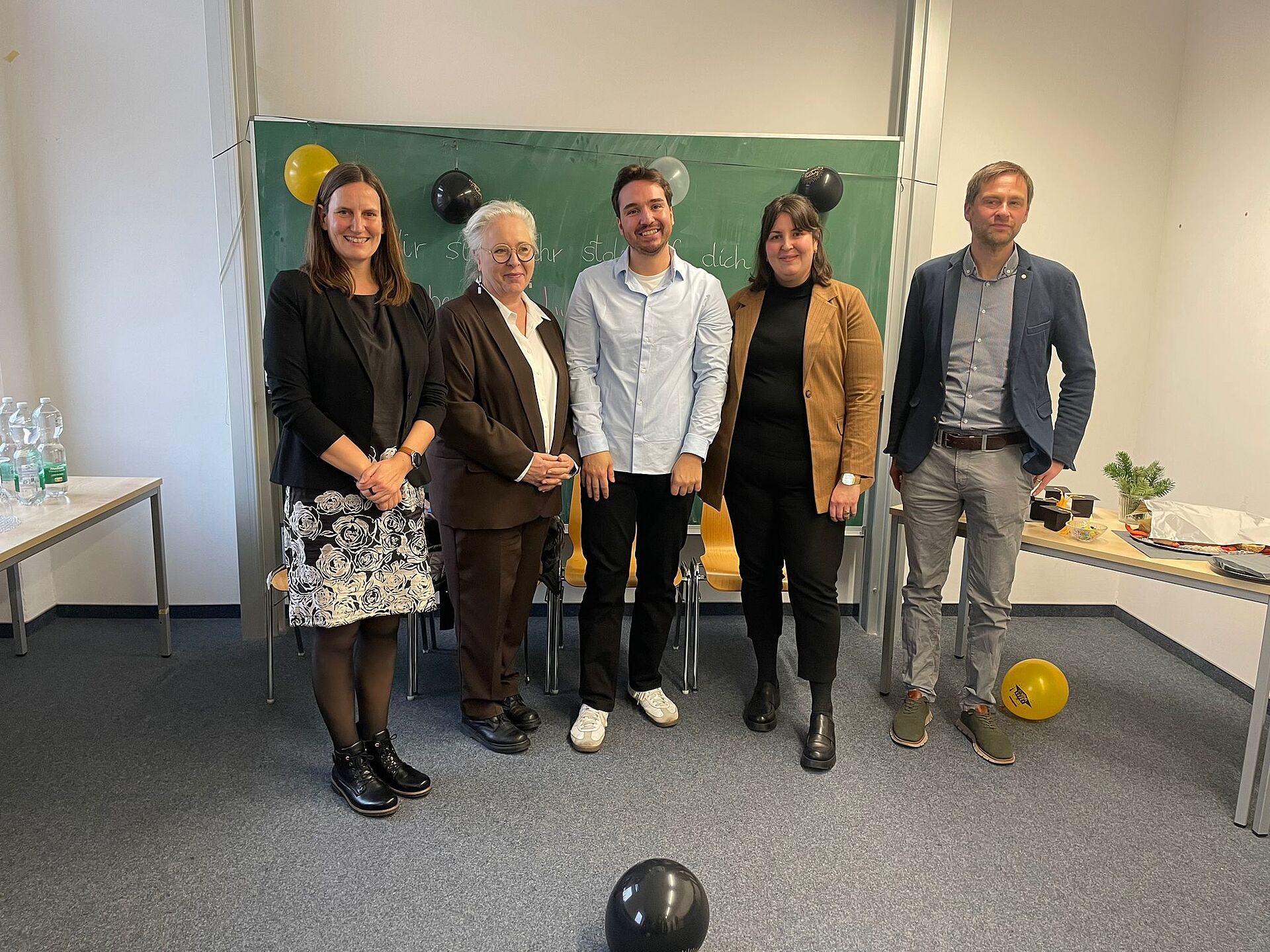
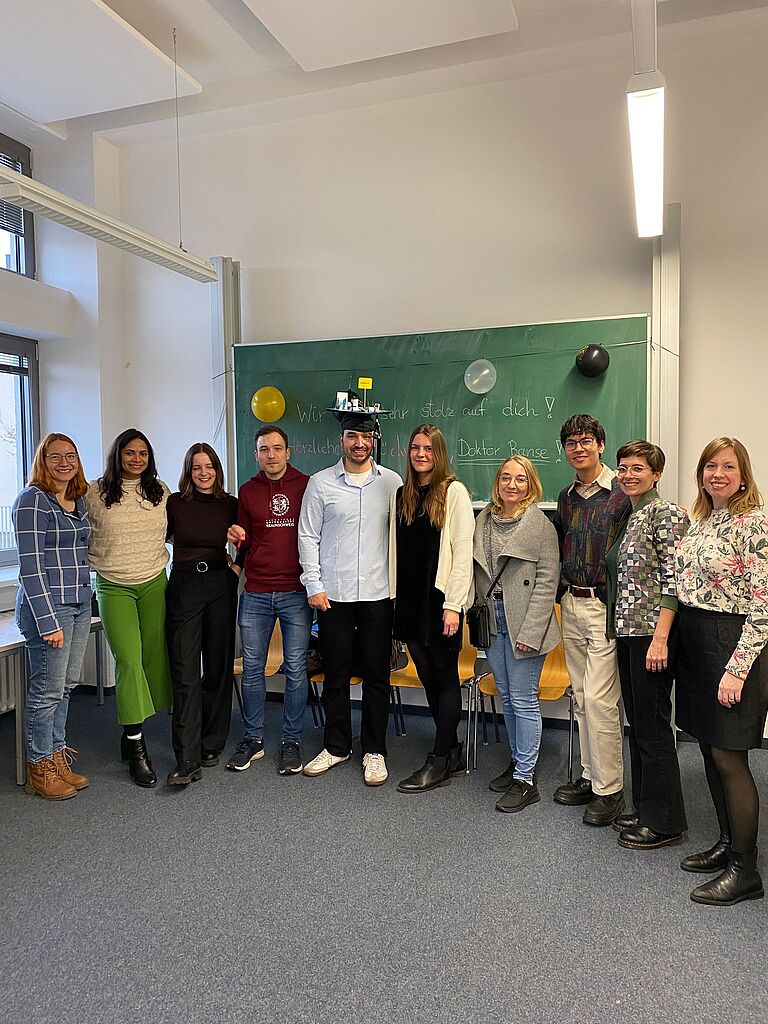
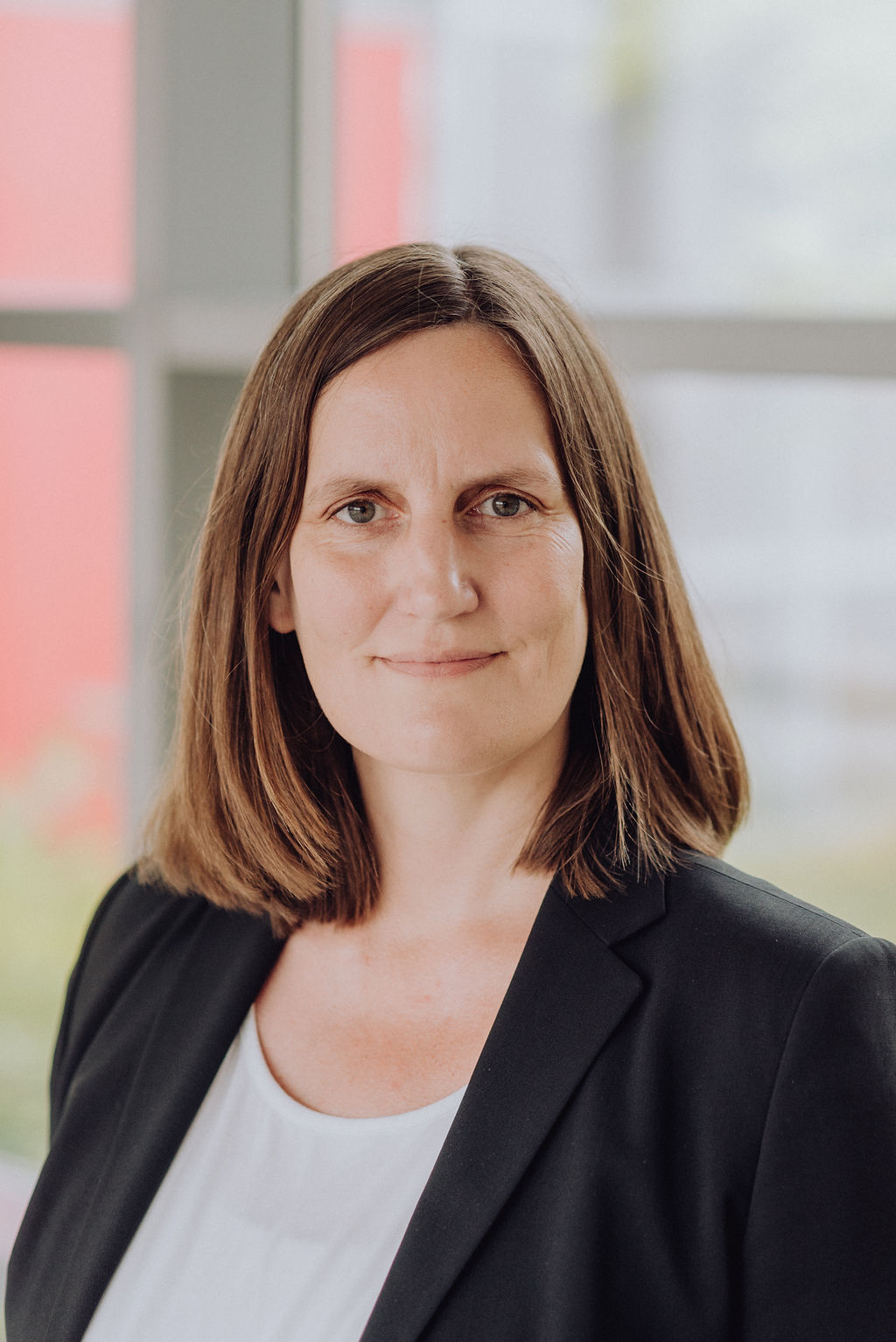
On December 10, Lennart Banse successfully defended his cumulative dissertation titled "Social Factors Influencing the Role Identities of Communicating Scientists". In his dissertation, he examined the effects of growing expectations regarding scientists' participation in science communication on the professional identity of scientists (e. g. from politics, research funding, scientific organisations or society as a whole). The work combined theoretical and empirical studies and resulted in five research papers that served as the basis for the doctoral thesis.
The reviewers were Dr. Friederike Hendriks and Prof. Dr. Monika Taddicken. Prof. Dr. Christian Ebner was the chair of the committee. Prof. Dr. Barbara Thies was also part of the dissertation committee.
We congratulate Lennart on completing his doctorate!

12/08/2025
At the joint conference “Health Literacy – AI as a Game Changer?!”, organised by the Federal Institute of Public Health (BIÖG) and the Federal Ministry of Health, Monika Taddicken contributed a keynote with the title "Kompetent mit KI? Erwartungen und Praktiken im Umgang mit neuen Informationssystemen". In it, she discussed how people navigate and assess AI-generated information — and why expectations, trust, and quality criteria matter more than ever.
AI can support more accessible and tailored health information, especially for those with lower health literacy. But reliability, transparency, and equitable access remain essential safeguards. Health literacy is a cornerstone of public health — and so is AI literacy. AI may broaden access to knowledge if we design and use it responsibly, inclusively, and with clear quality standards.
01/05/2026
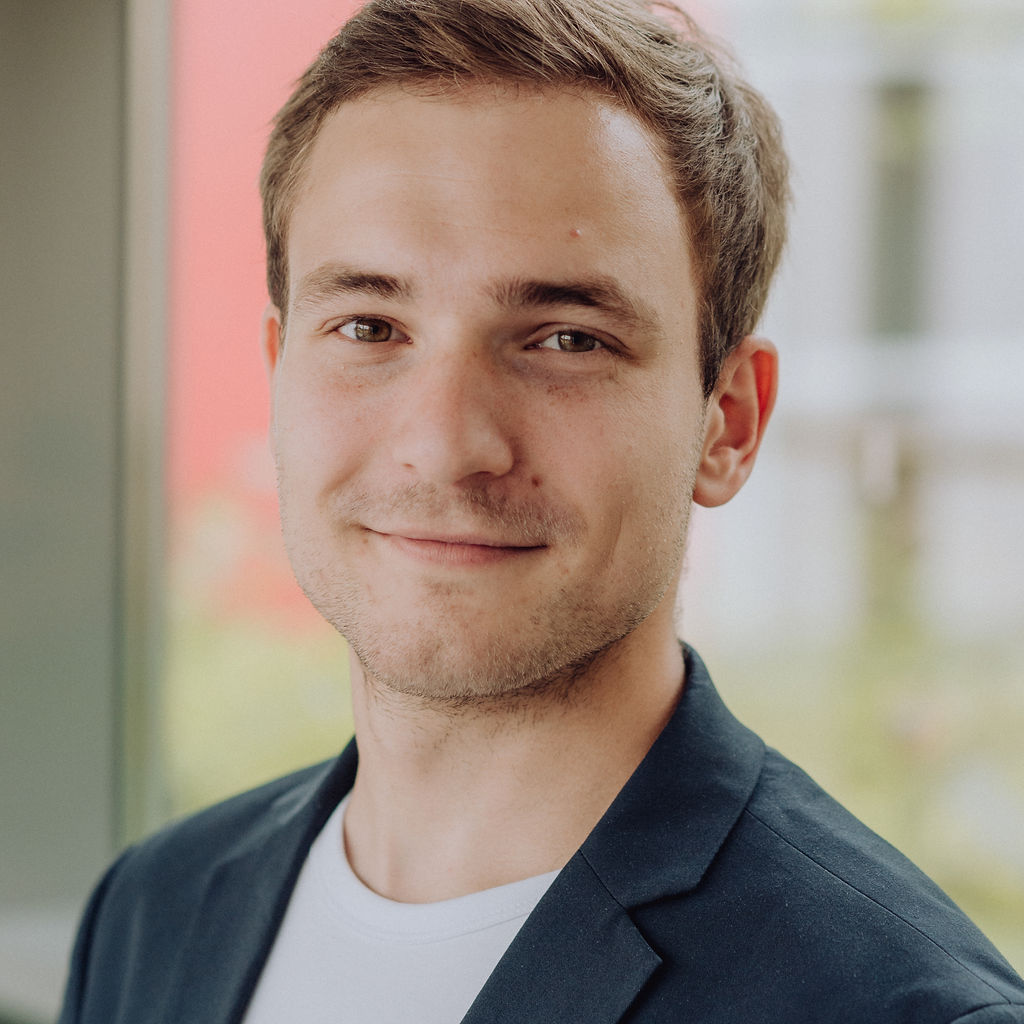
On November 21 2025, Julian Fick successfully defended his dissertation titled "The Development and Evaluation of an Evidence-Based Science Communication Training Program". In his dissertation, he examines how scientists can be enabled to communicate their research to the public. In this context, he developed a training program which he conducted at Technische Universität Braunschweig. He examined its effectiveness with the help of scientific evaluations. Another central issue was how scientific findings can be taken into account in the development of such training programs and how this evidence base can be expanded through targeted studies.
The reviewers were Dr. Friederike Hendriks and Prof. Dr. Barbara Thies. Dr. Friederike Hendriks also was the chair of the committee. Prof. Dr. Monika Taddicken, Prof. Dr. Alexander Büssing, and Prof. Dr. Marc Stadtler were part of the dissertation committee.
We congratulate Julian on completing his doctorate!
12/08/25
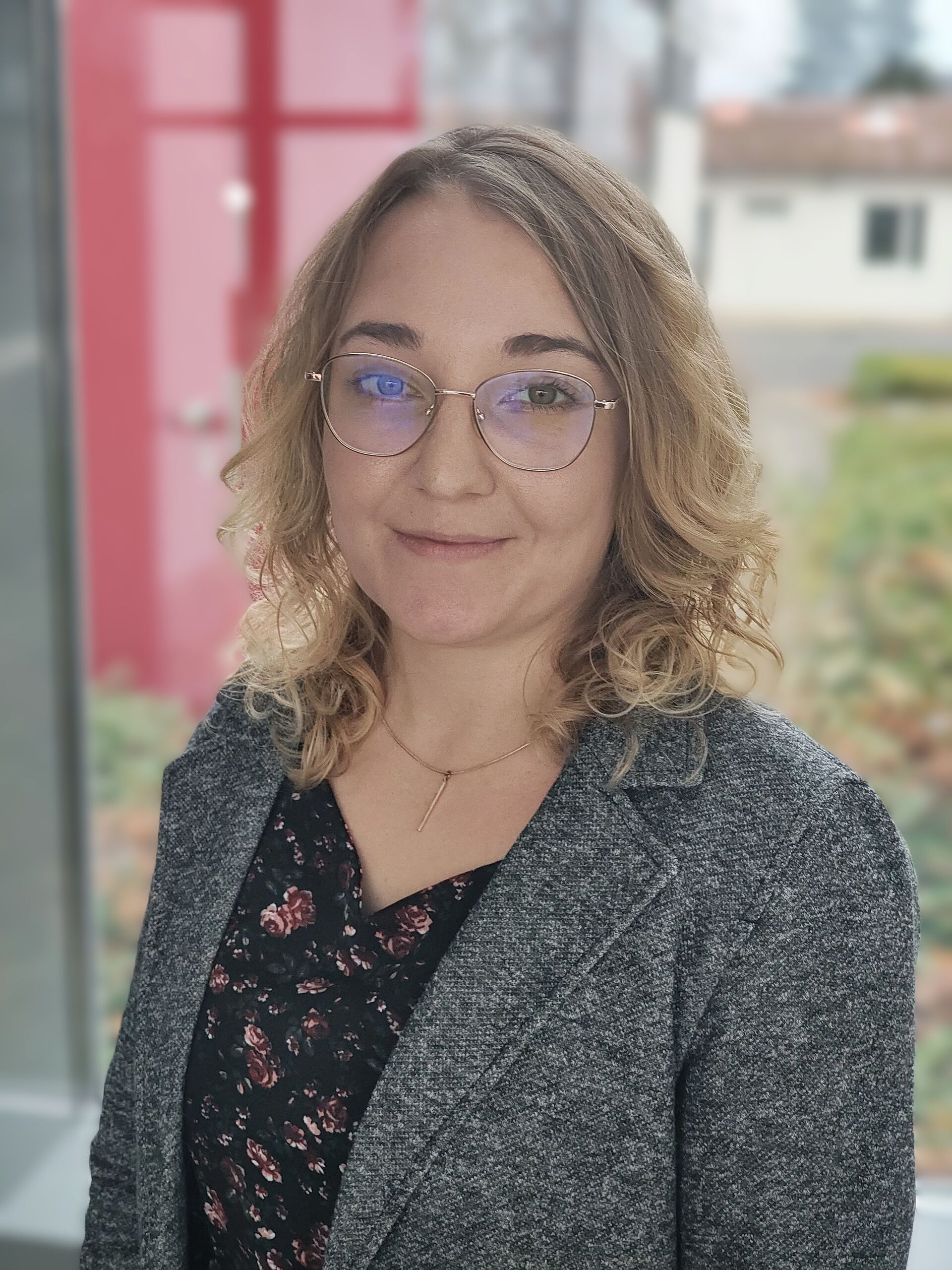
We welcome Maria Johanna Prechtl as a new research assistant at the Institute for Communication Science. After completing her master's degree in Media Technology and Communication at TU Braunschweig, she will now be working on the project "The Trust Relationship between Science and Digitized Publics" (TruSDi II).
A warm welcome to you!
12/03/2025
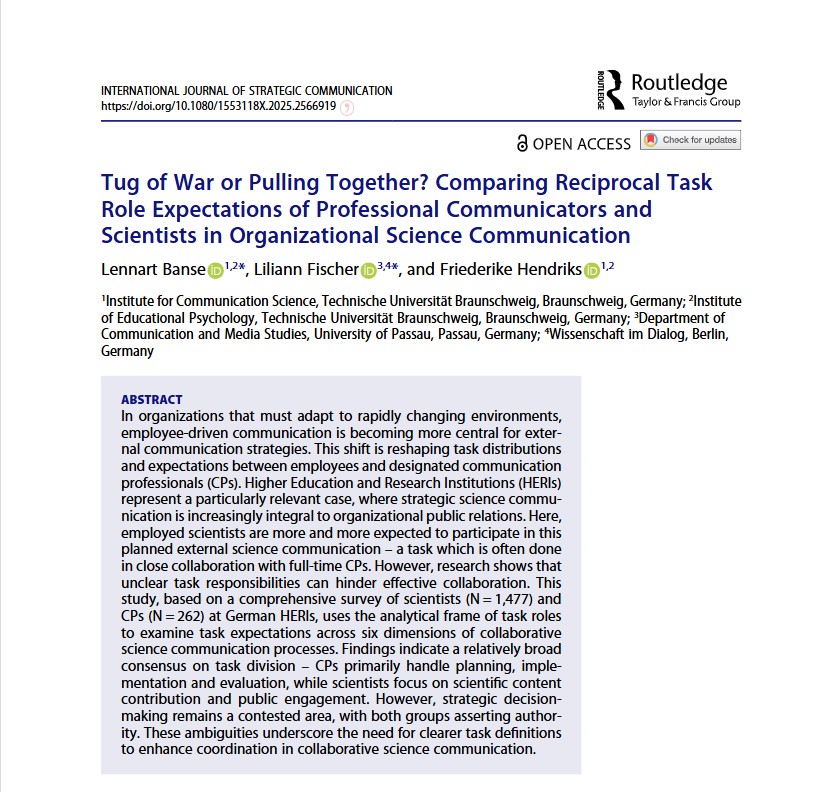
Lennart Banse and Friederike Hendriks, together with Liliann Fischer, have published an article in the International Journal of Strategic Communication. The study is based on a comprehensive survey of scientists and communication professionals at German Higher Education and Research Institutions and uses the analytical frame of task roles to examine task expectations across six dimensions of collaborative science communication processes. Although the results indicate a relatively broad consensus on task division, they also reveal the need for clearer task definitions to enhance coordination in collaborative science communication.
Click here to access the publication.
11/26/2025
In an interview with Der Spiegel, Monika Taddicken explains why discussions about climate change are currently overshadowed by other issues and how disinformation can cause skepticism and uncertainty among the population. She also addresses the necessity of informative journalism to strengthen science communication, particulary around climate change.
Click here to access the article.
11/24/2025
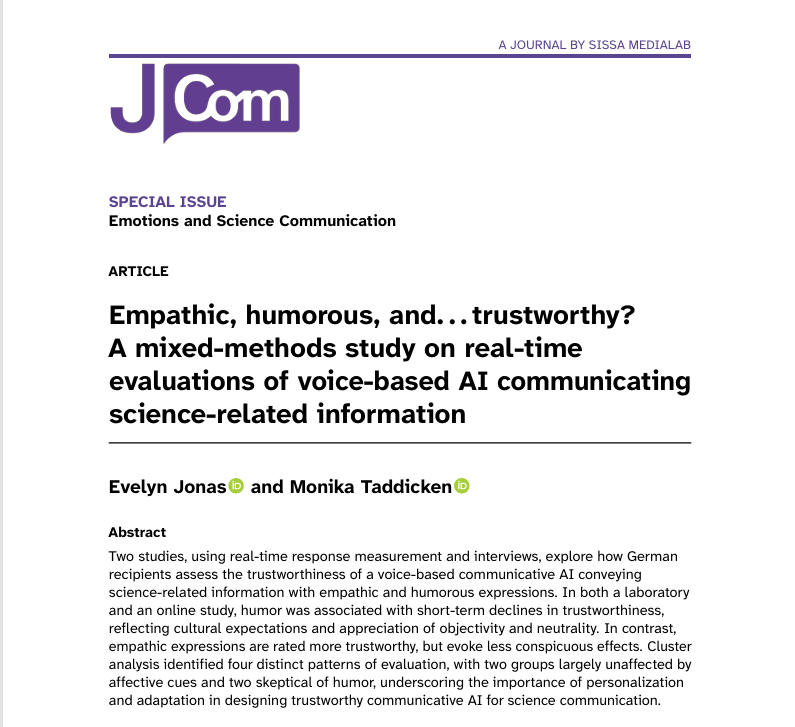
Evelyn Jonas and Monika Taddicken have published an article in the Journal of Science Communication. The two studies, using real-time response measurements, explore how German recipients assess the trustworthiness of a voice-based communicative AI conveying science-related information with empathic and humorous expressions. The results suggest that humour is associated with a short-term decline in trustworthiness, while empathetic expressions were rated as more trustworthy. Cluster analysis identified four distinct patterns of evaluation, with two groups largely unaffected by affective cues and two groups skeptical of humour. These results emphasise the importance of personalisation and adaption in designing trustworthy communicative AI for science communication.
Click here to access the publication.
11/19/2025
Lennart Banse and Kaija Biermann have published an article in Wissenschaftskommunikation und Gender. Chancen und Herausforderungen der Sichtbarkeit von Wissenschaftler*innen in sozialen und klassischen Medien [Science Communication and Gender. Opportunities and Challenges of Visibility for Scientists in Social and Traditional Media].
The article proposes a systematic framework for the empirical analysis of researchers' communicative roles in four central dimensions. It discusses the topic of role identity in detail, which has hardly been addressed in previous research, in order to explain the communication behaviour of researchers. This was empirically presented using the example of female STEM researchers. The results suggest that although the self-identified roles of female researchers reflect their own subjective perception and attribution of the role, they do not necessarily take into consideration the actual execution.
The integrative framework can be used not only for analyses of gender identity in relation to communicative roles, but is also suitable for analysing other overlaps of identifications with marginalised attributes.
Click here to access the publication.
11/10/2025
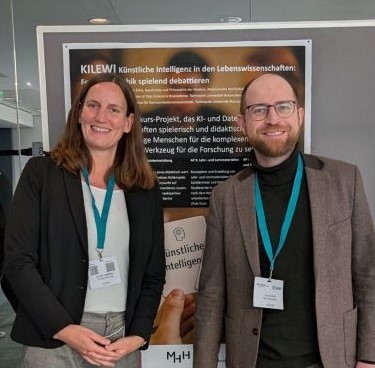
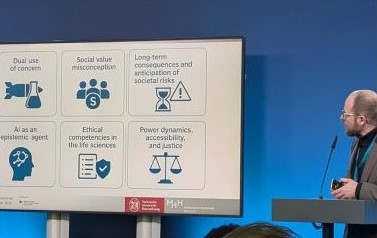
Last week Monika Taddicken participated in the status seminar of the Bundesministerium für Forschung, Technologie und Raumfahrt on ELSA (ethical, legal and social aspects in Life Sciences) and was able to announce together with Frank Ursin (Medizinische Hochschule Hannover) as well as Tim Kacprowski (TU Braunschweig) the start of their project: "KILEWI: AI in the Life Sciences: Debating Research Ethics Through Play"
The project aims to develop a "Serious Moral Game" for upper-secondary students and university students to explore ethical dilemmas around AI in biomedical research. In the presence of an icreasingly complex future, we deserve curious minds - and space to think before we code, build, and apply.
11/05/2025
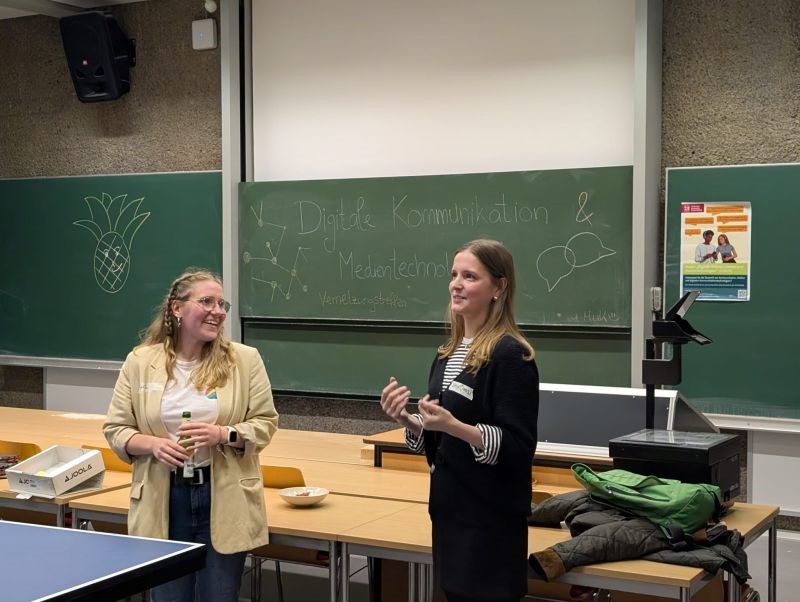
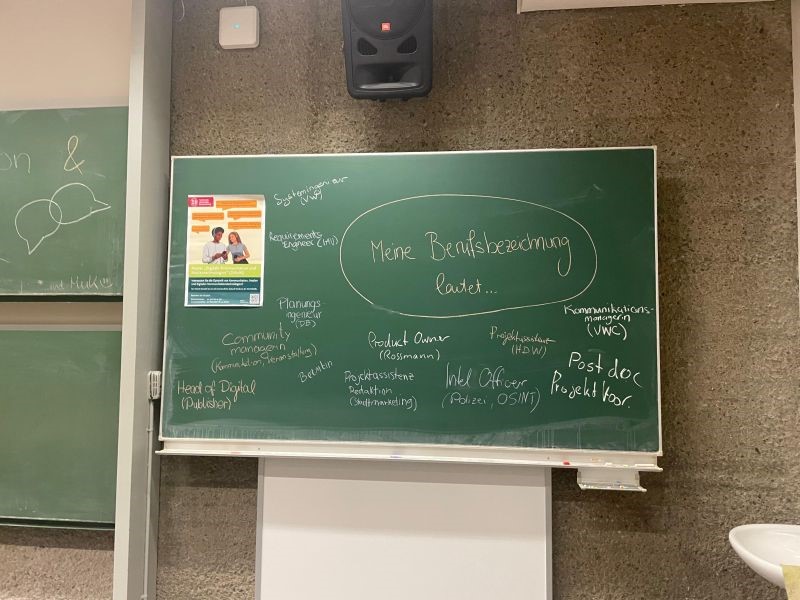
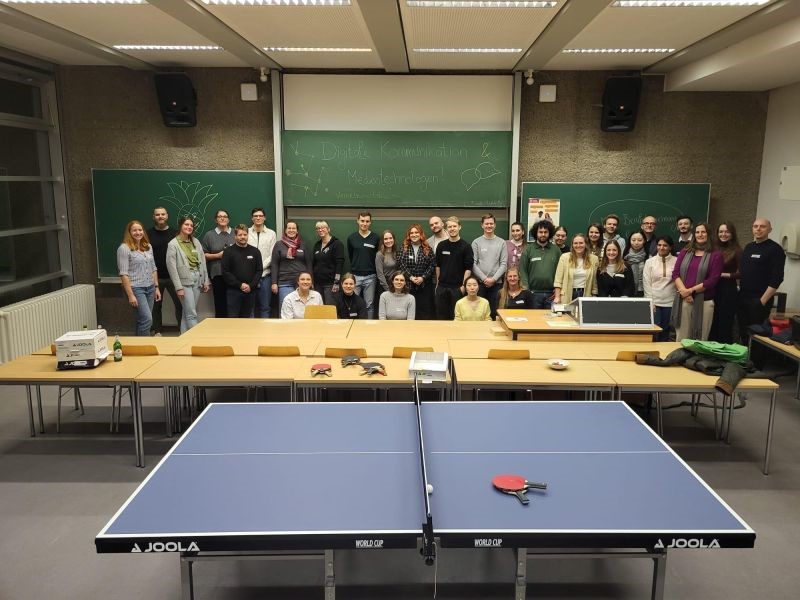
The networking meeting for the Master's programme in "Digitale Kommunikation und Medientechnologien" (Digital Communication and Media Technologies) gave current Master's students the opportunity to exchange ideas and thoughts with graduates of the programme. During discussions with professors, lecturers, programme coordinators and the TU Braunschweig alumni association, there were many opportunities to exchange ideas about career paths, course content and everyday student life at TU Braunschweig.
The master's programme at the TU Braunschweig creates a connection between Communication Science and Communications Technology. The meeting once again demonstrated how closely the two disciplines are linked.