

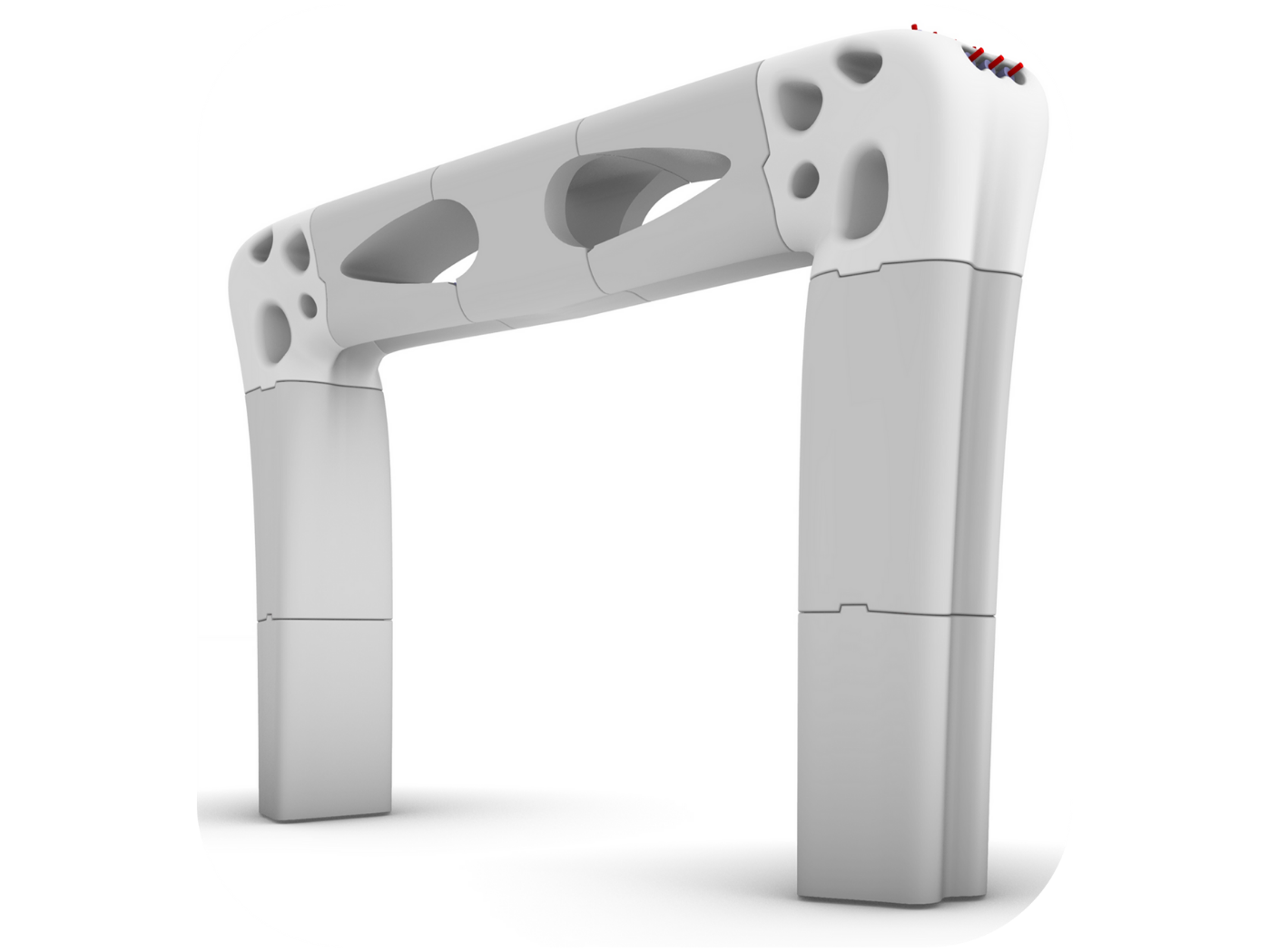


C05 examines the potentials and challenges of robotic manufacturing techniques for proposing and evaluating structural connections applied to precast, additively manufactured concrete elements. Considering the characteristics of different AM processes, such as particle-bed, extrusion and shotcrete, and the capabilities of various subtractive post-processing techniques, including milling and sawing, the project addresses a broad range of parameters influencing joint performance.
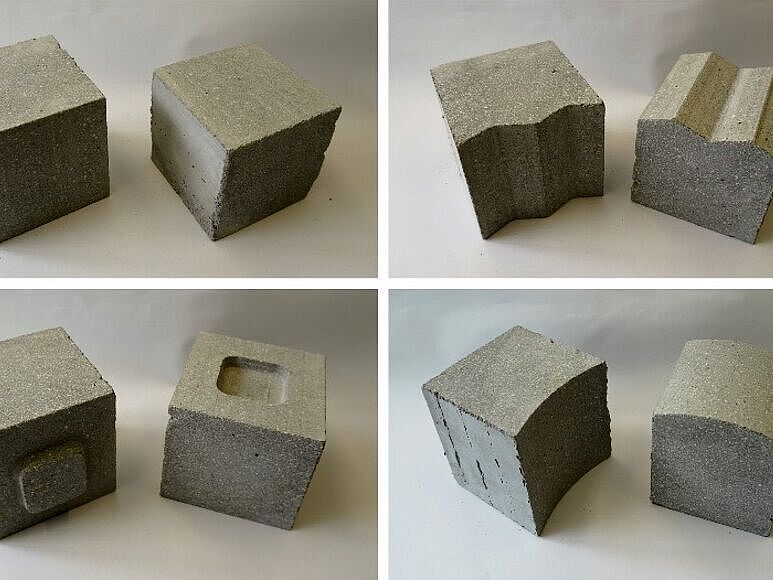
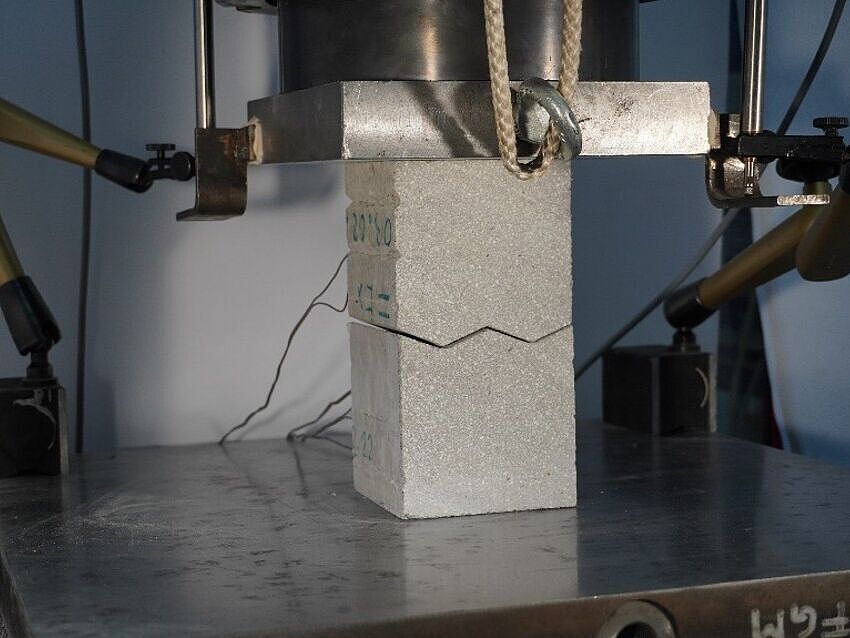
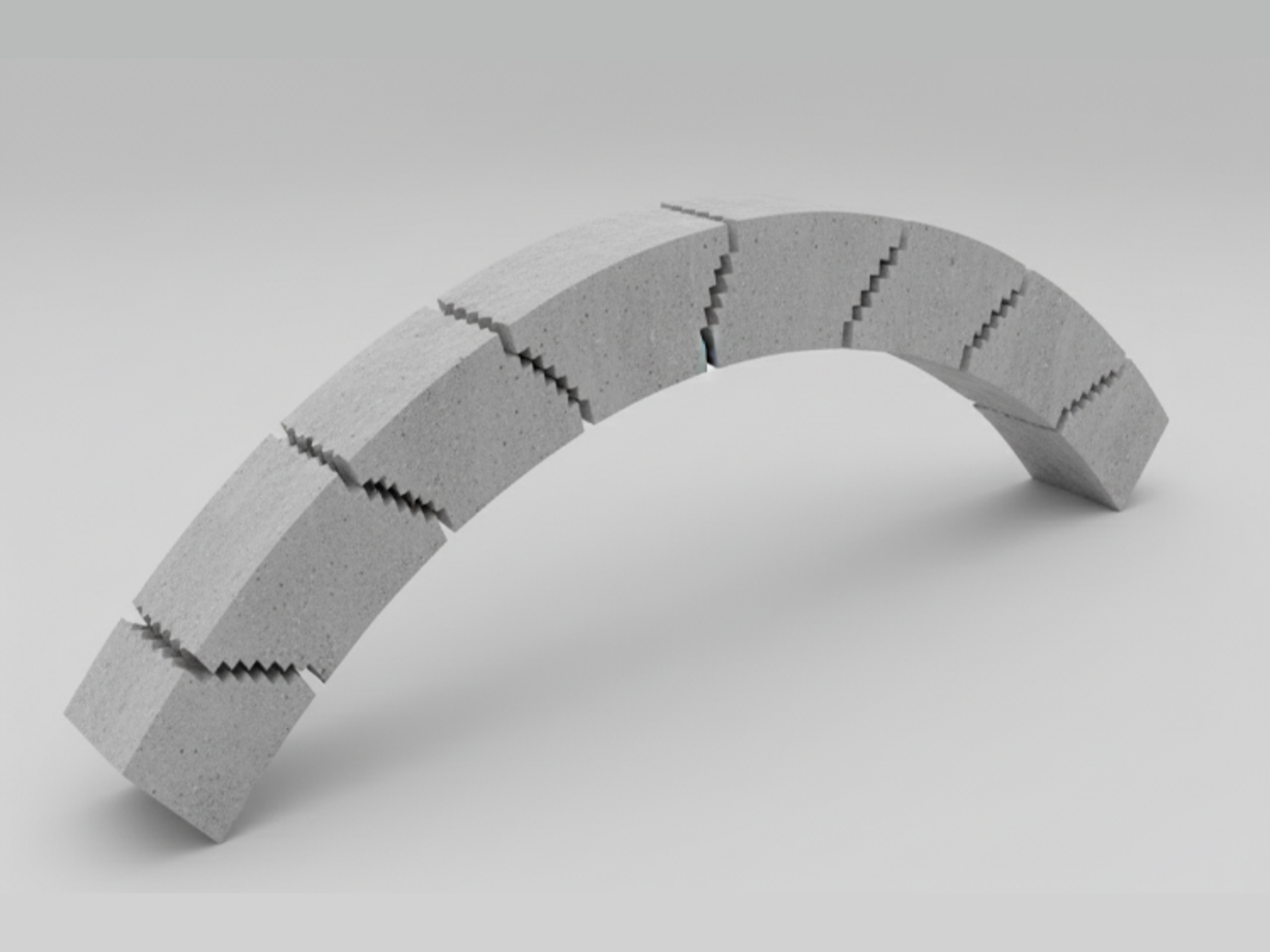
The work focuses on defining, assessing and comparing different types of dry concrete joints, analysing the tangential behaviour of milled and/or printed specimens (including the effects of surface smoothness), and evaluating the structural performance of subtractive versus directly printed interfaces. The investigation strategy combines experimental, numerical and theoretical studies at both micro- and meso-scale, under compression, shear and combined loading. These outcomes aim to provide fundamental insight into the load-bearing behaviour of AM dry joints.
The project follows four consecutive work packages (WP). WP1 identifies and selects suitable joint geometries using a comprehensive catalogue derived from timber, steel, concrete and bionic concepts. Evaluation criteria, weighting factors and an algorithm support the selection of four joint profiles. WP2 and WP3 investigate the structural performance numerically and experimentally using specimens produced by all targeted AM processes and post-processed through subtractive manufacturing. Laser scans validate the accuracy of the CNC-produced joint geometries and support the refinement of the manufacturing approach. WP4 integrates the results to design, simulate and test a demonstrator composed of 3D-printed elements connected through dry joints.
Finally, all numerical, experimental and post-processing data are combined to establish a calculation approach for AM dry joints, calibrated using large-scale demonstrator tests with pre-stressed interfaces.