

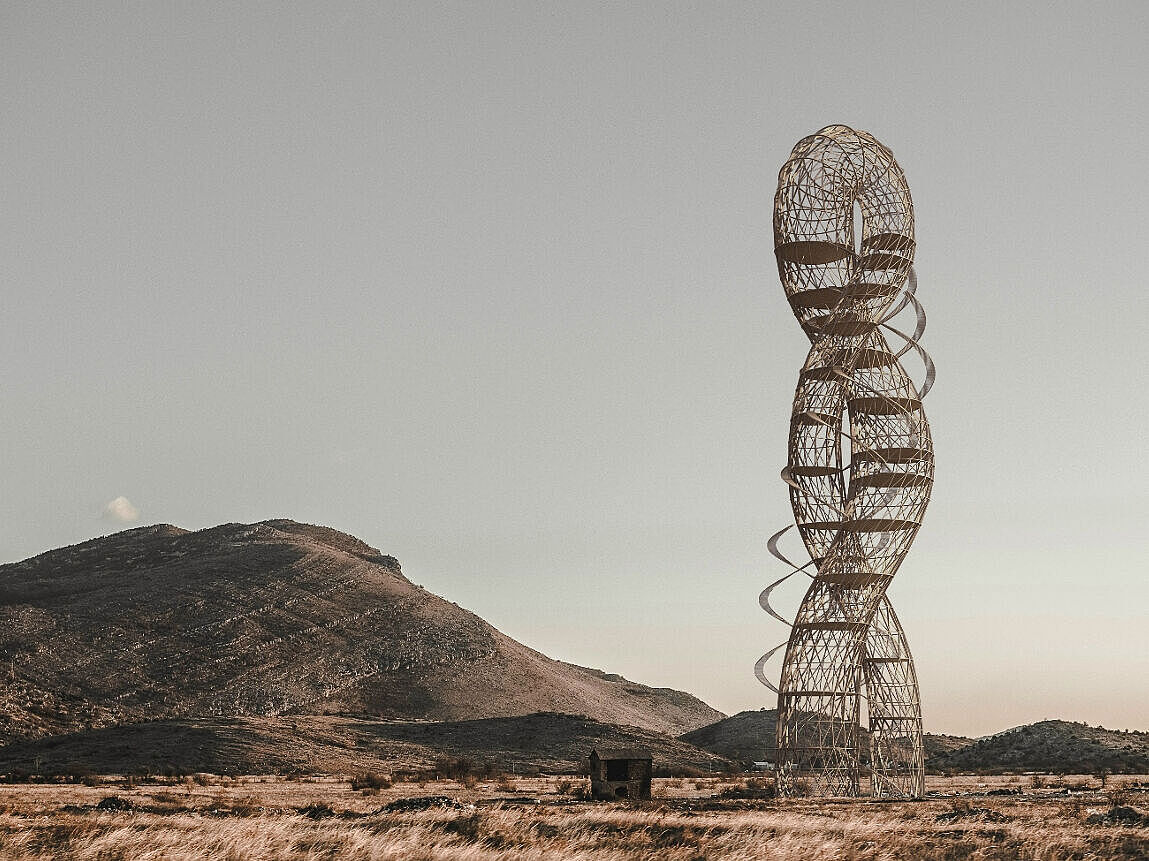


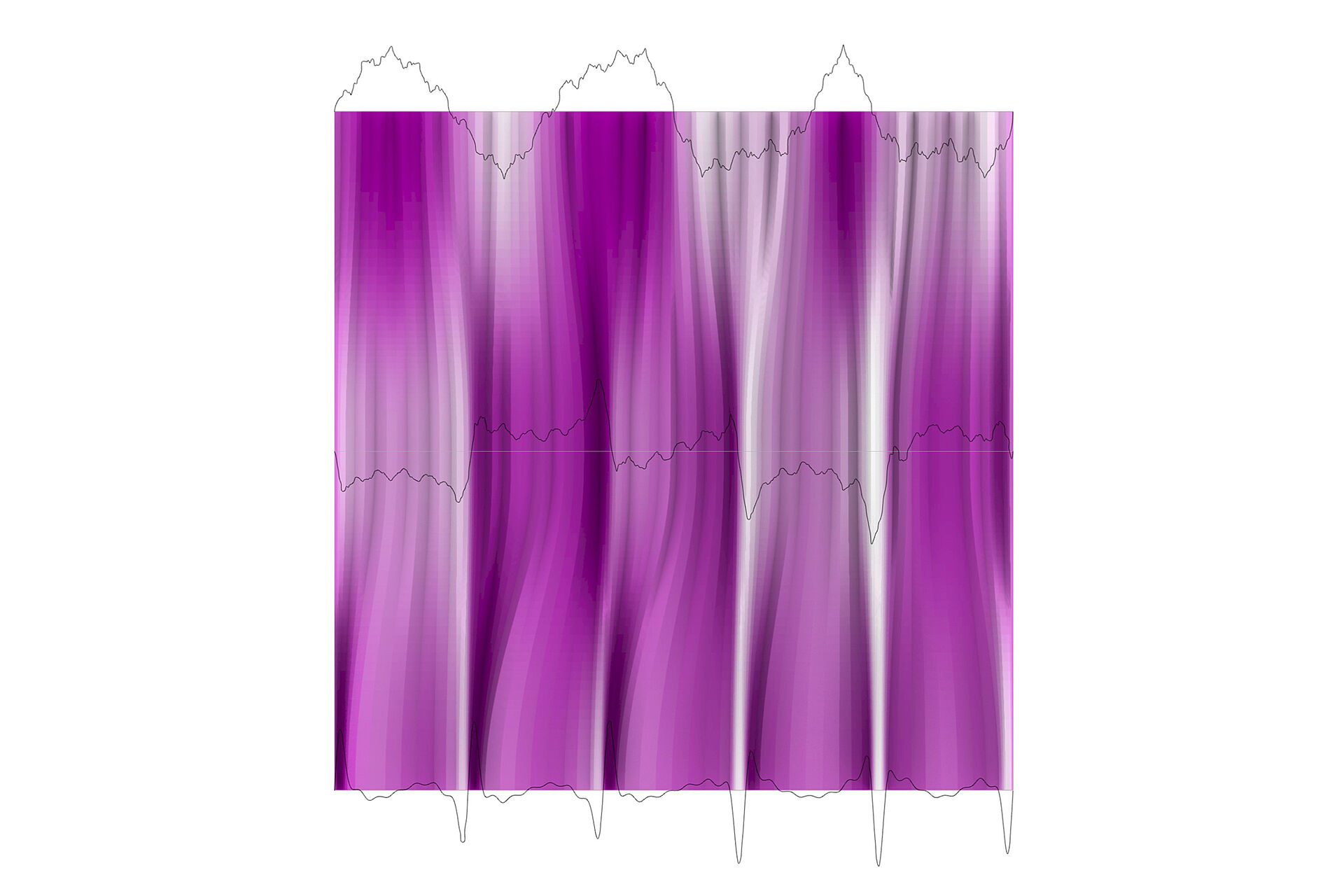
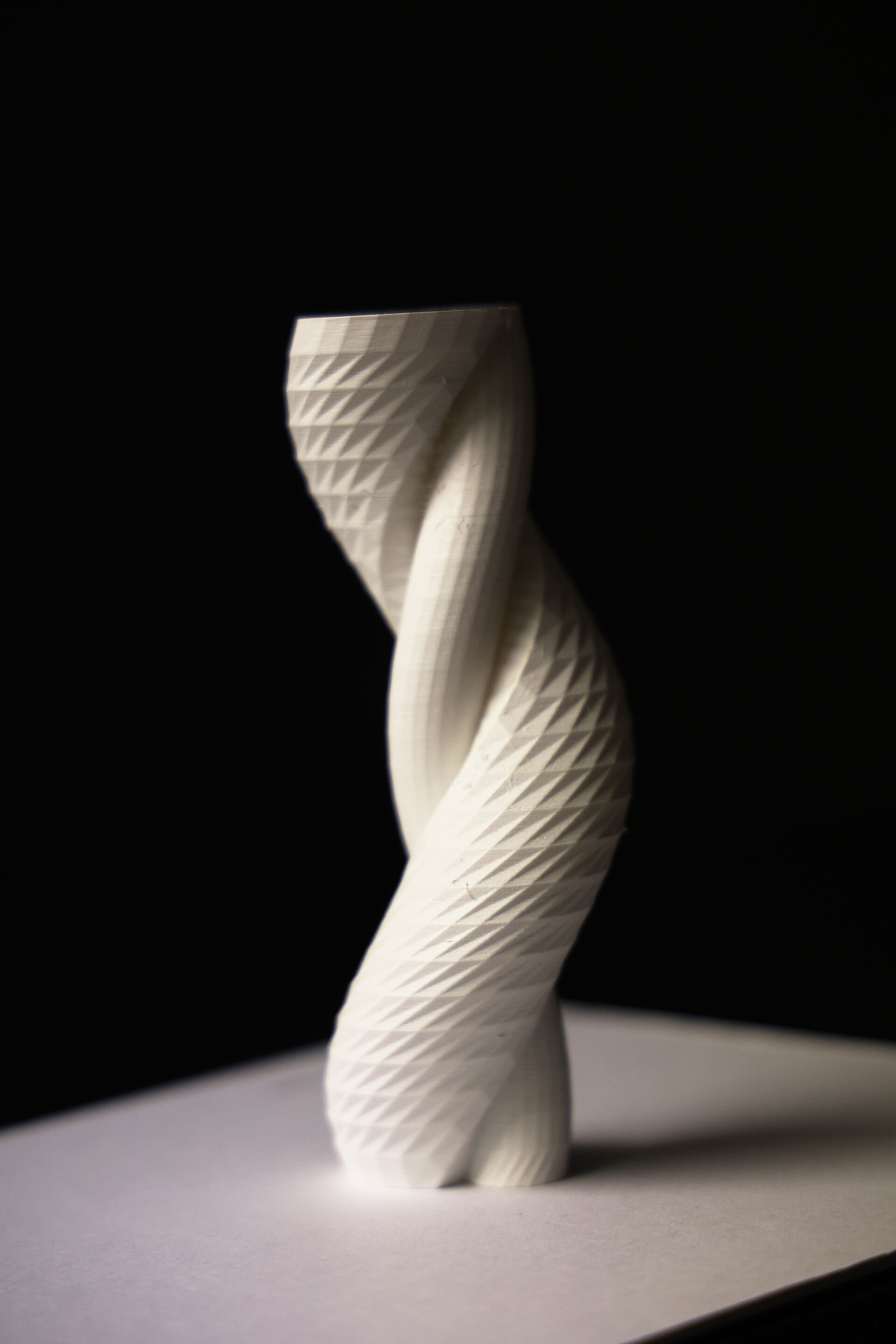
The Architecture, Engineering, and Construction industry is undergoing a period of rapid change as new technologies reshape established workflows. Computational design plays a central role in this shift. By using algorithms to generate, analyse, and optimize design proposals, architects can work with levels of complexity and precision that are difficult to achieve by hand. Encoding rules and parameters digitally makes it possible to explore geometric relationships, test variations, and develop design ideas that would otherwise remain out of reach.
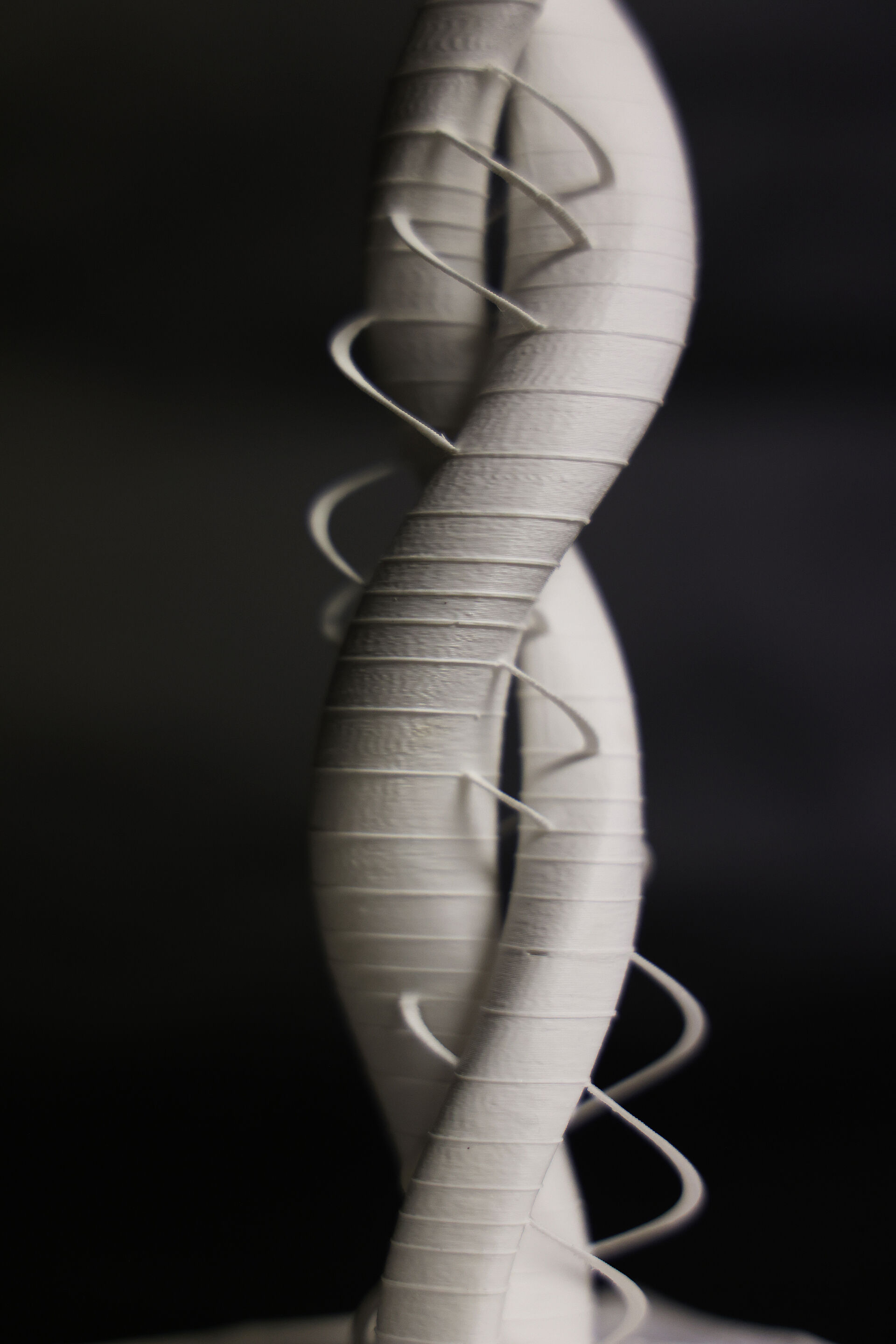
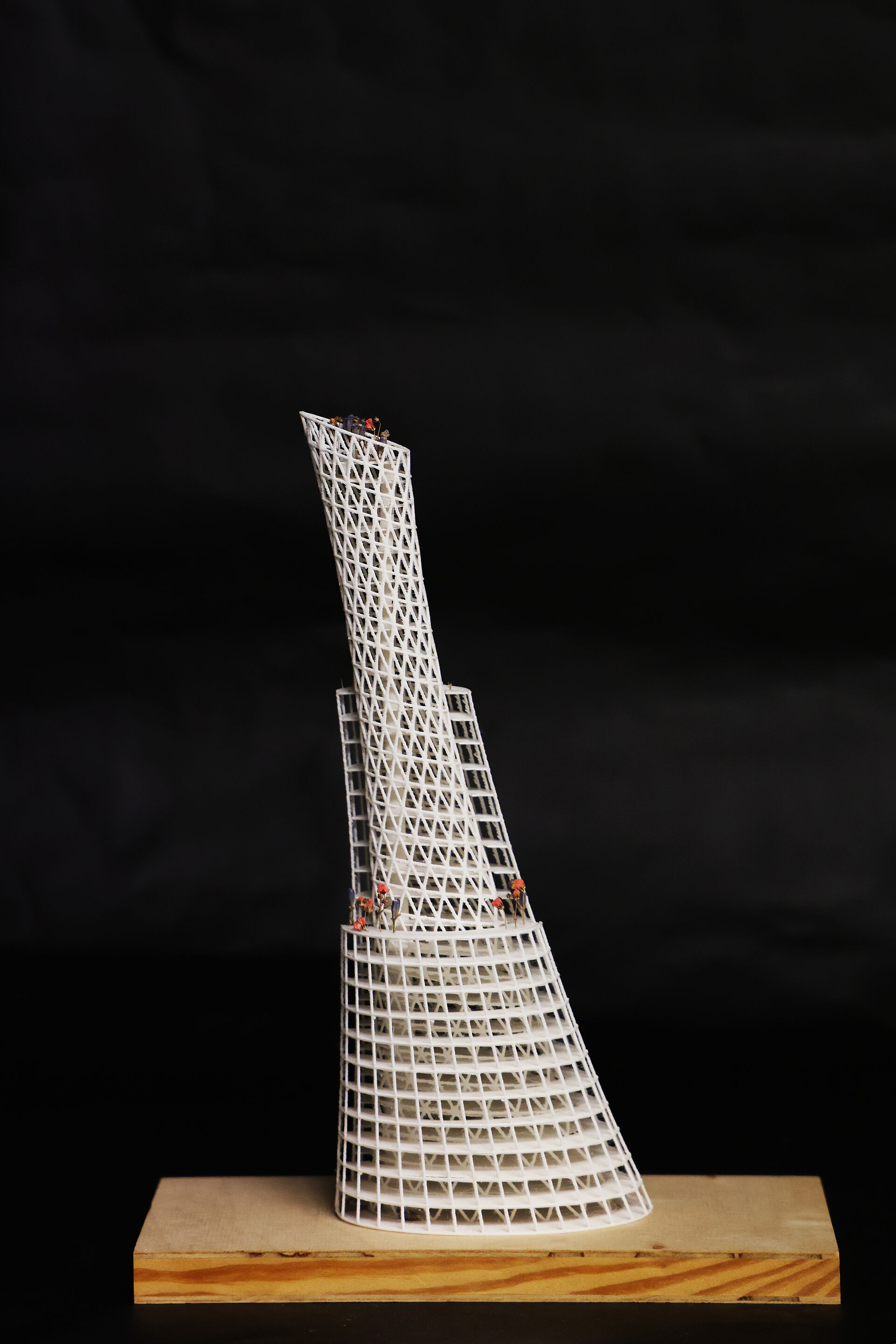
The Institute for Structural Design (ITE) offers a seminar that introduces students to the core tools and methods of computational design. Weekly tutorials, exercises, and short input lectures provide a framework for learning both parametric principles and a way of thinking that connects design intent with digital processes. The course includes work with visual programming in Rhino Grasshopper as well as text-based scripting using Python, giving students insight into different approaches to algorithmic design. Alongside this, the seminar offers an introduction to digital representation and contemporary design technologies, including Blender for modeling and visualization, and Prusa 3D printers for small-scale prototyping.
The overall aim of the seminar is to encourage a critical understanding of how design and technology intersect, and to support students in developing skills that can be applied within the broader architectural curriculum.
Seminar details:
Johannes Buchenberger, Jan Duensing, Jonas Gruhl, Emil Haase, Jacobs Konrad, Linus Pätzold, Milan Reusch