

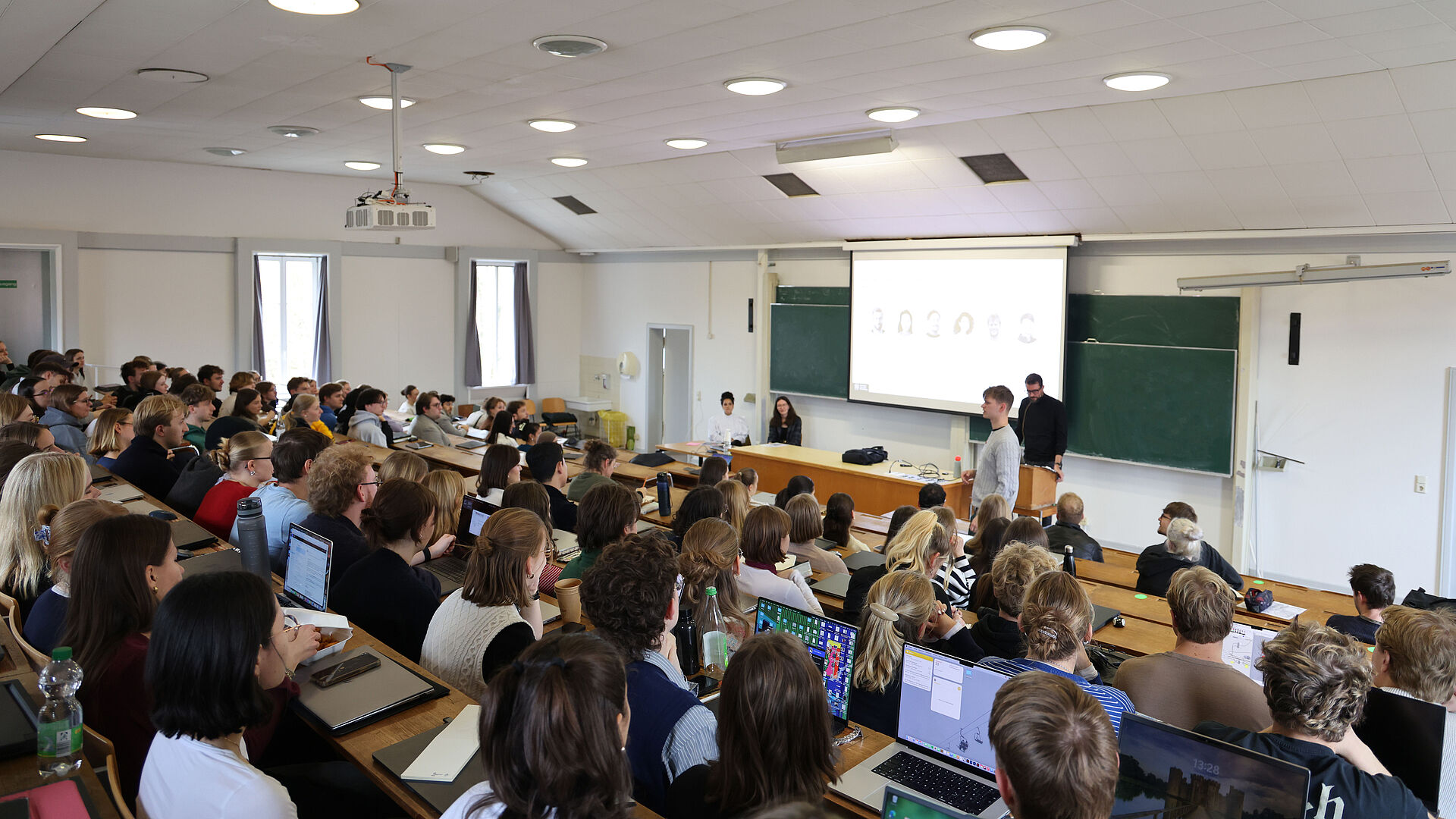

The course Digital Construction introduces students to digital design, planning and construction processes in architecture, addressing both their conceptual foundations and practical application. Through a structured series of lectures, students gain an understanding of the historical development and contemporary role of digital technologies within architectural practice. Complementary tutorials and exercises support this theoretical framework by providing hands-on experience with digital tools and methods across the entire design and construction process, from early conceptual stages to material realization through additive and robotic fabrication.
The lecture series, together with accompanying tutorials, situates digital design within the broader architectural discourse since the digital turn. It covers essential theoretical principles alongside practical design methodologies, including digital modelling and visualization, parametric design using both visual and text-based programming, simulation techniques, immersive design environments, artificial intelligence, and digital fabrication processes. Core software tool such as Rhino Grasshopper is introduced and applied, while current technological developments are addressed through targeted exercises and experimental workflows.
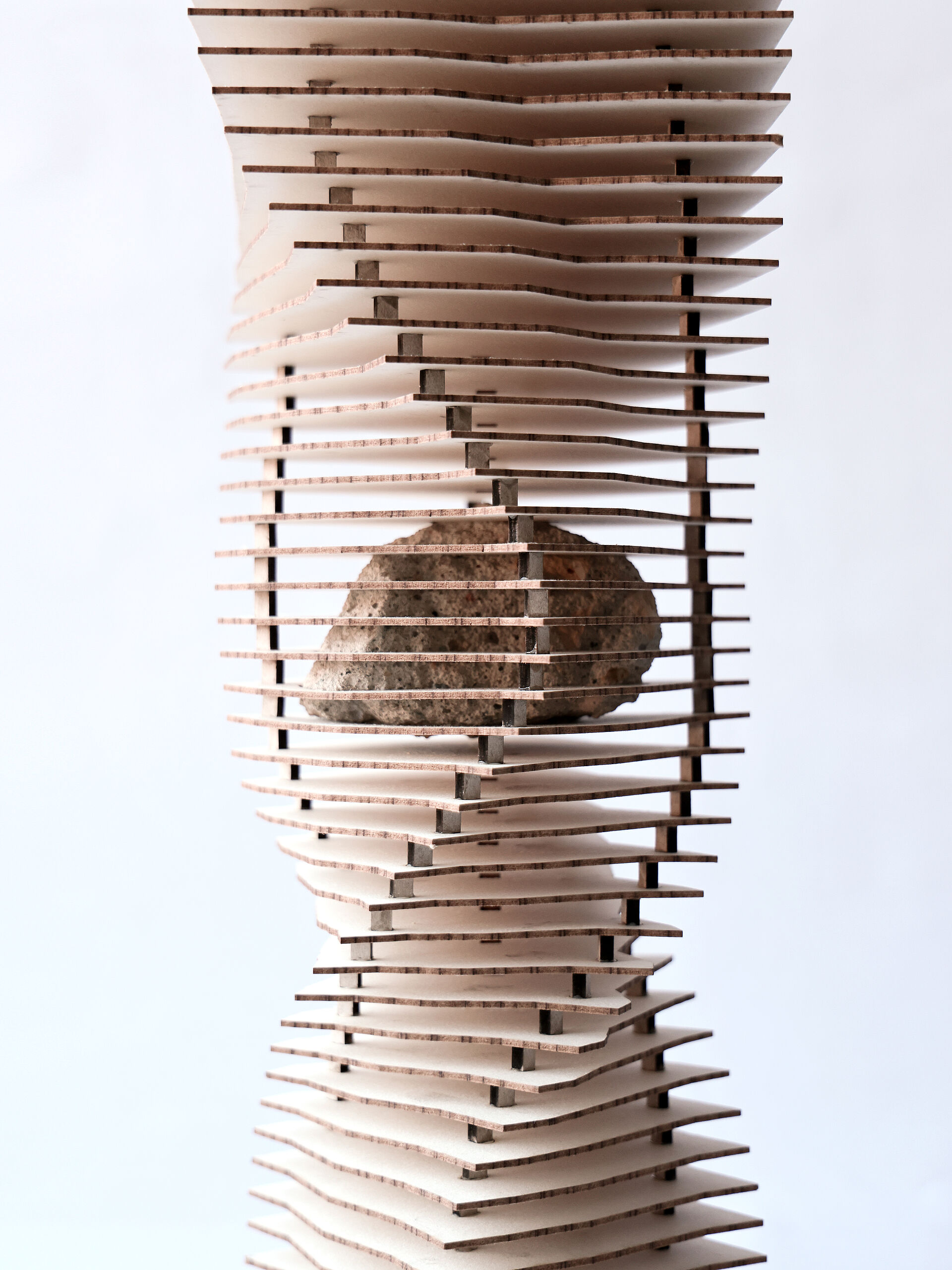
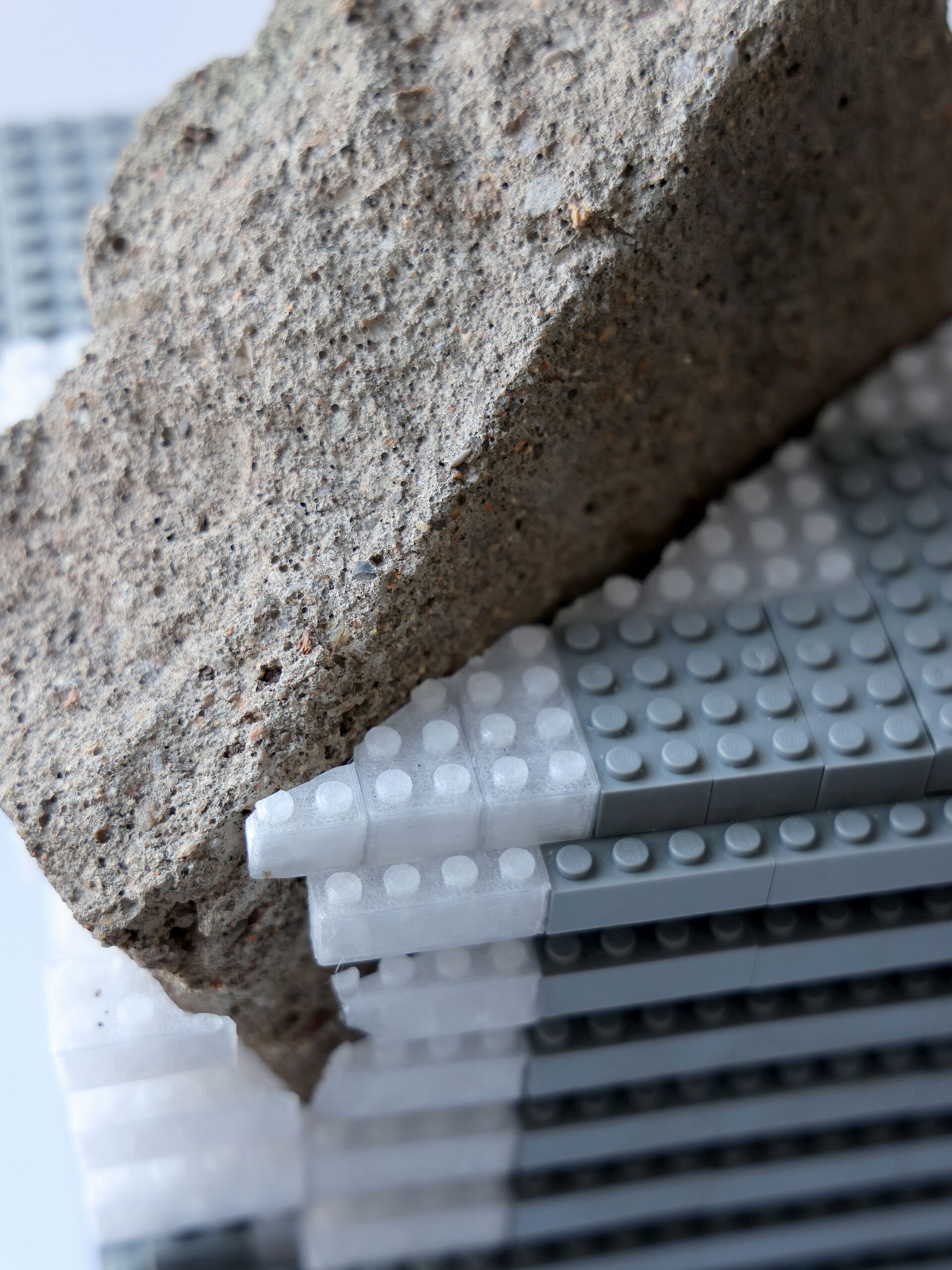
The semester culminates in the project Adaptive Assemblies, which focuses on the use of digital design and construction techniques for adaptivity and material reuse. Working in groups of two, students design and fabricate a spatial assembly that explores the relationship between found building debris and digitally produced connectors. The project is based on three fabrication techniques introduced during the course and emphasizes precision, material awareness and the integration of digital processes with physical construction.
Team: Dr. Samim Mehdizadeh, Noor Khader
Student Assistants: Jakob Kochhafen, Rafael Helm, Milan Reusch