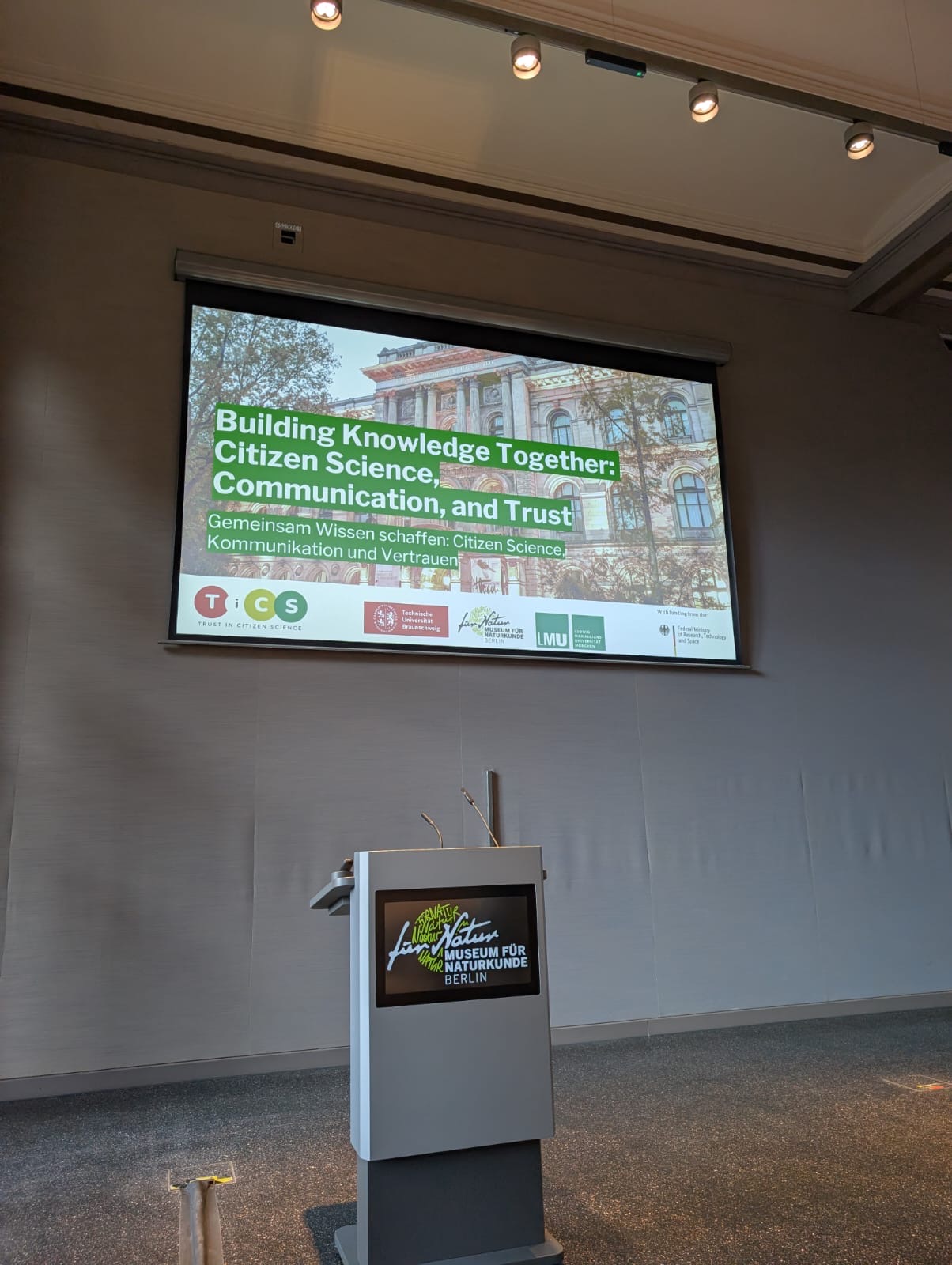
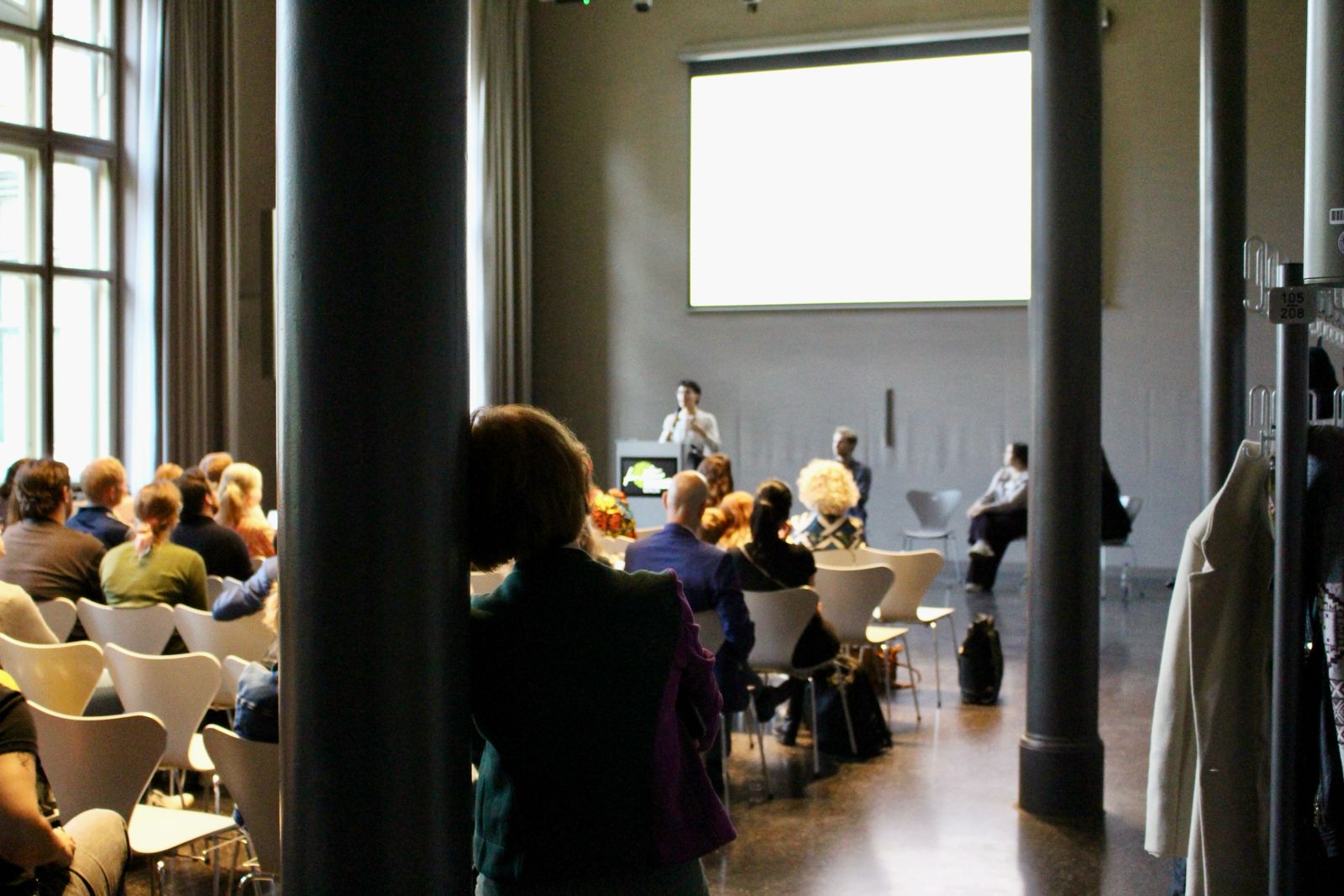
The symposium “Building Knowledge Together: Citizen Science, Communication and Trust” brought together about 100 participants in Berlin for two days of presentations, panels and facilitated discussion on the relationships between participation, communication, and trust in citizen science. Hosted by the Trust in Citizen Science (TiCS) project (funded by the German Ministry for Research, Technology, and Space) and organized in cooperation with the International Network on Public Communication of Science and Technology (PCST) and mit:forschen! Gemeinsam Wissen schaffen, the German citizen science platform, the event united academic researchers, project organizers, communicators, and practitioners to share empirical findings and practical experience.
The meeting drew participants from 19 countries and five continents: While about half were from Germany and neighboring countries like Austria and the Netherlands, participants also joined from Africa, Asia, Australia, all over Europe, and the US. The symposium was hosted bilingually in English and German to be more inclusive to local participants such as a group of children co-researchers, who joined the discussion. Participants also represented a broad mix of roles: roughly half identified primarily as researchers and half as practitioners, with a number of attendees holding mixed research‑practice positions.
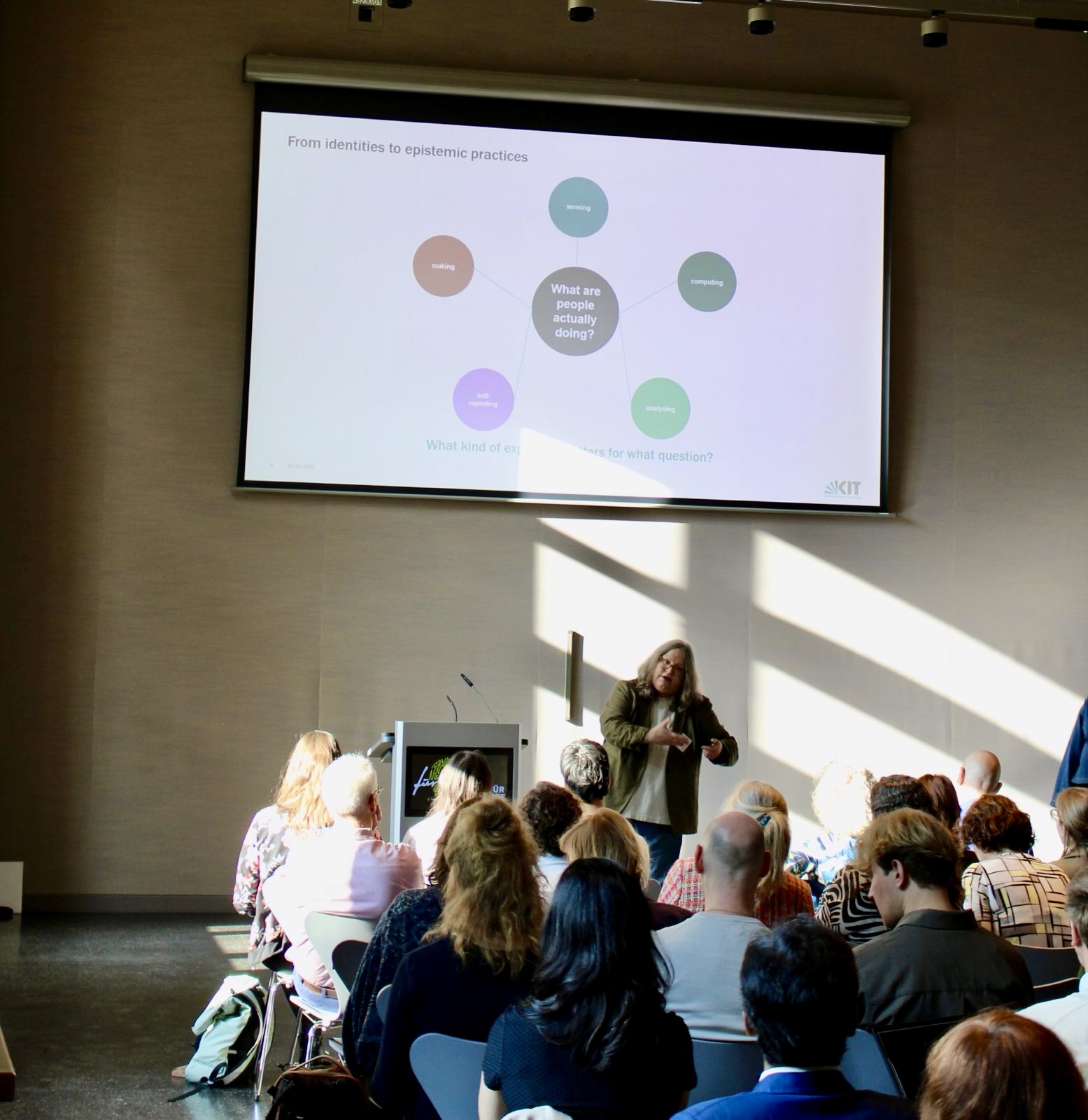
The symposium was started off by an insightful keynote by Dr. Dana Mahr (Institute for Technology Assessment and Systems Analysis, KIT), who challenged the view that mere participation of non-scientists in research will directly raise trust. Instead, she posed important questions: Who gets to participate, and who remains excluded in citizen science projects? How can projects shift from participation to knowledge co-creation? How are contributions recognized? How should knowledge, power, and responsibility be distributed among co-researchers despite structural barriers?
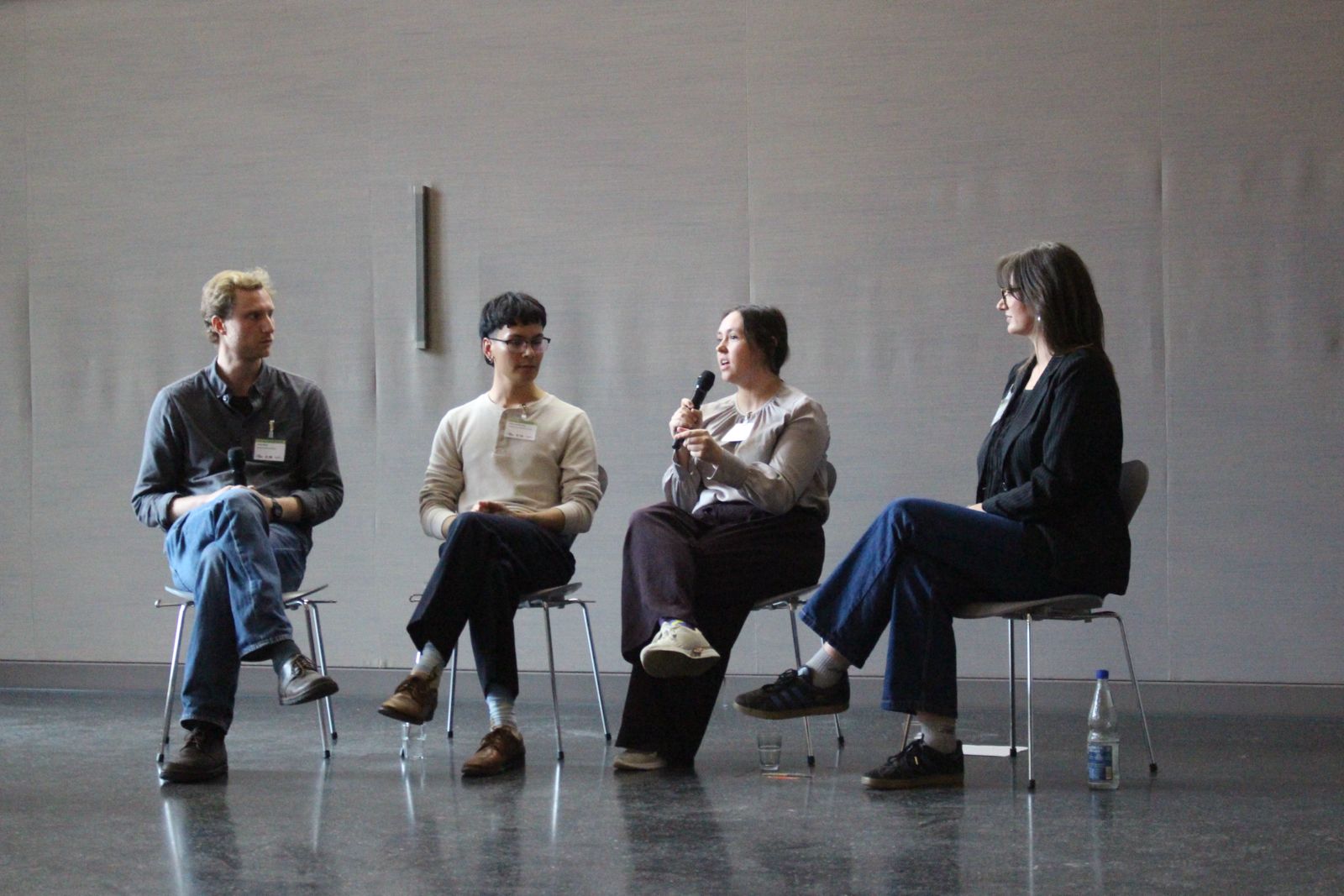
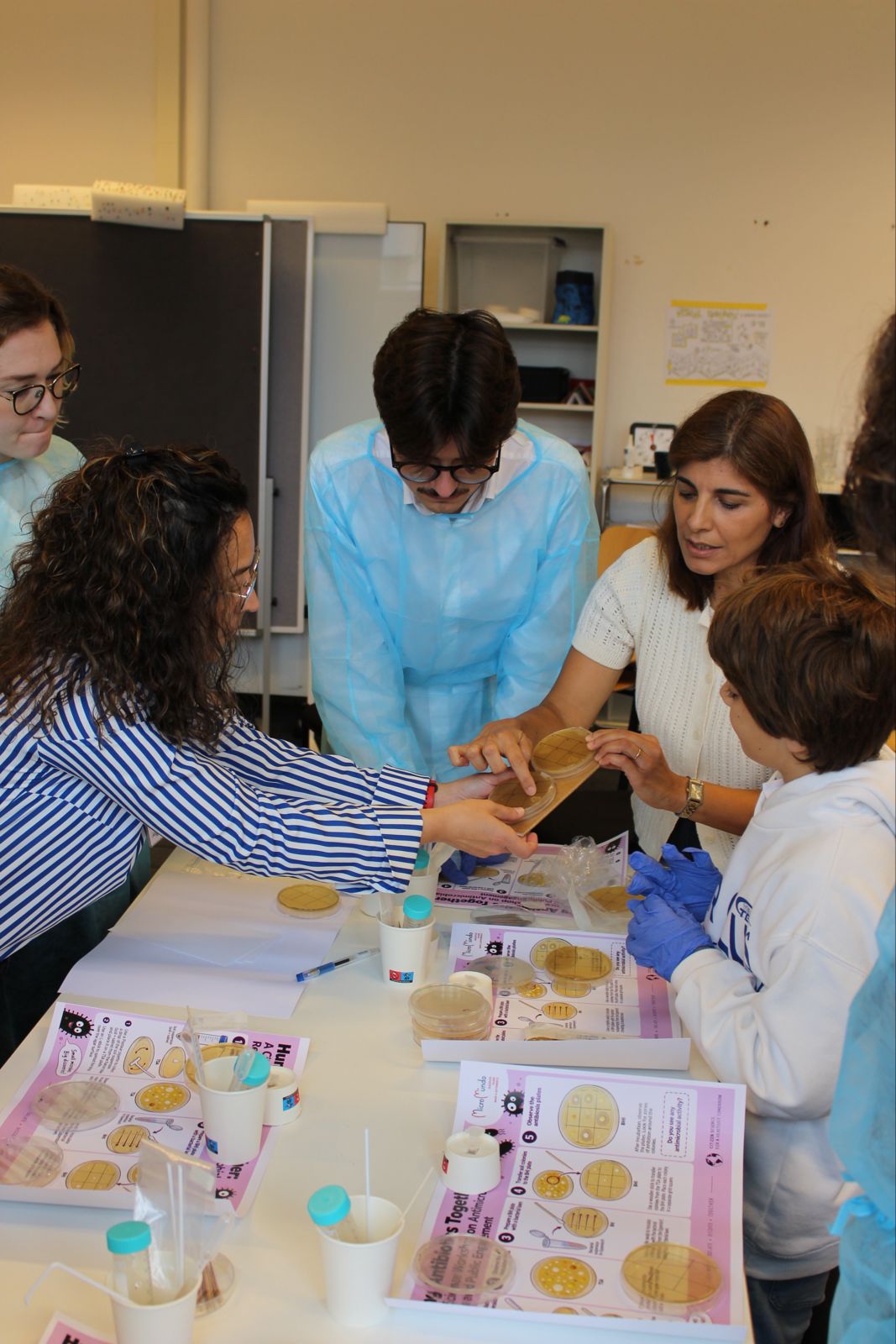
Throughout the event, the participants explored how trust is built, maintained, and fostered through participatory research and citizen science. Sessions combined 45 talks in sum, including short research presentations, practice case studies, and structured discussion to connect theoretical insight with on‑the‑ground experience. Participants discussed that trust combines epistemic and relational facets. While projects strive to co-create knowledge, interpersonal relations must be built through communication to allow for equal collaboration. Questions revolved around project design, identifying intentional governance, clear role definitions and recognition practices as central to building partnership and trust. In eight workshops, participants got to model trust using clay, or engage with youth co-researchers, who introduced a participatory research project on children’s mental health.
In sum, the symposium emphasized the importance of research–practice exchange: Combining empirical studies with practitioner knowledge may yield actionable strategies for project design, outreach, and evaluation. The symposium allowed for researchers and practitioners to extend their respective views on participatory research. The notion that “trust is not just a goal, but part of the process” might hold true for citizen science, as for interprofessional symposia.
The first version of the program was just released.
All in all, we are happy to confirm an versatile program:
October 5th will start off with a welcome session, including a keynote by Dr. Dana Mahr, who will present her research in a talk titled "Beyond the Trust Deficit: Epistemic Practices, Power and Cooperation in Citizen Science"!
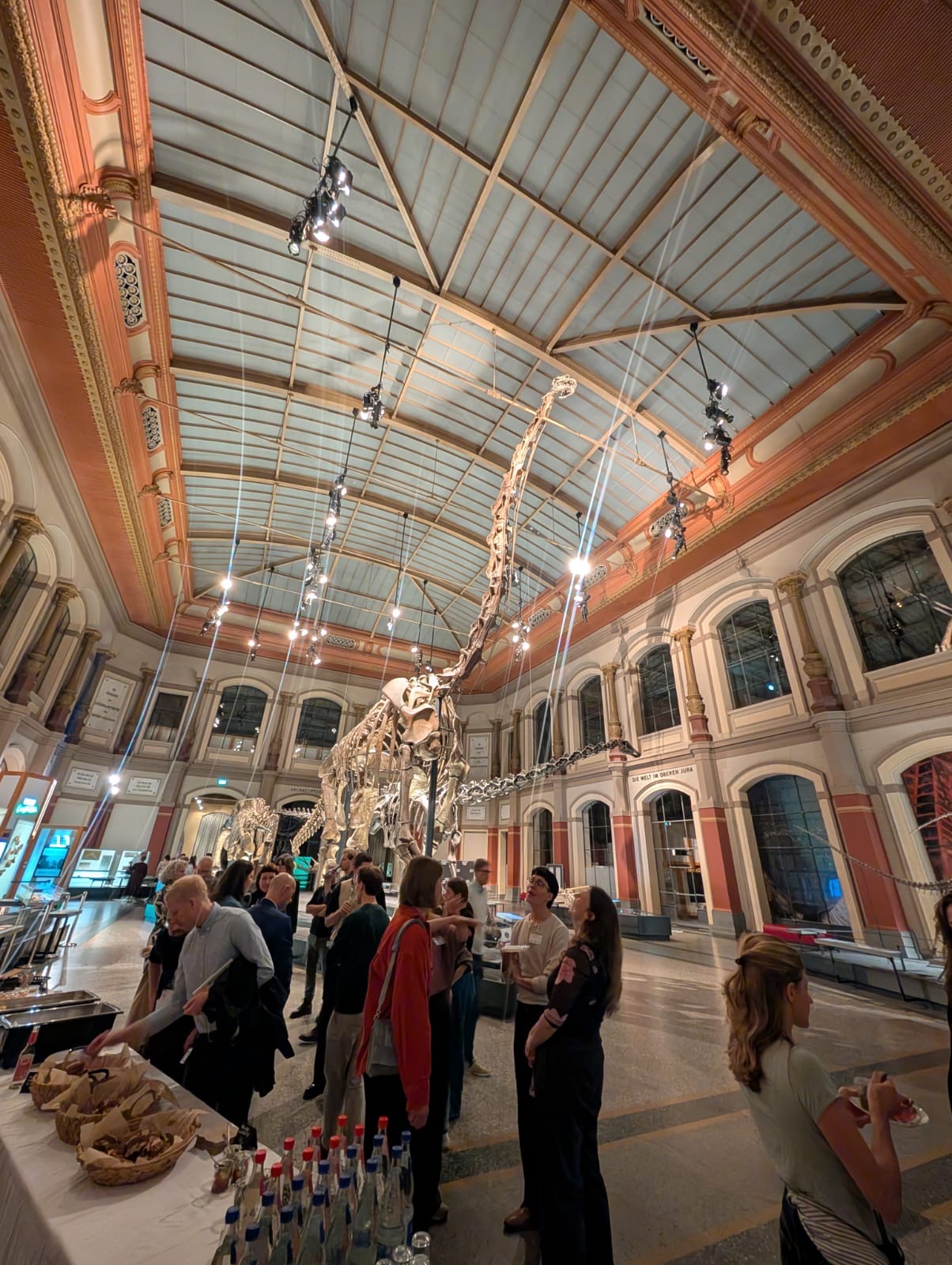
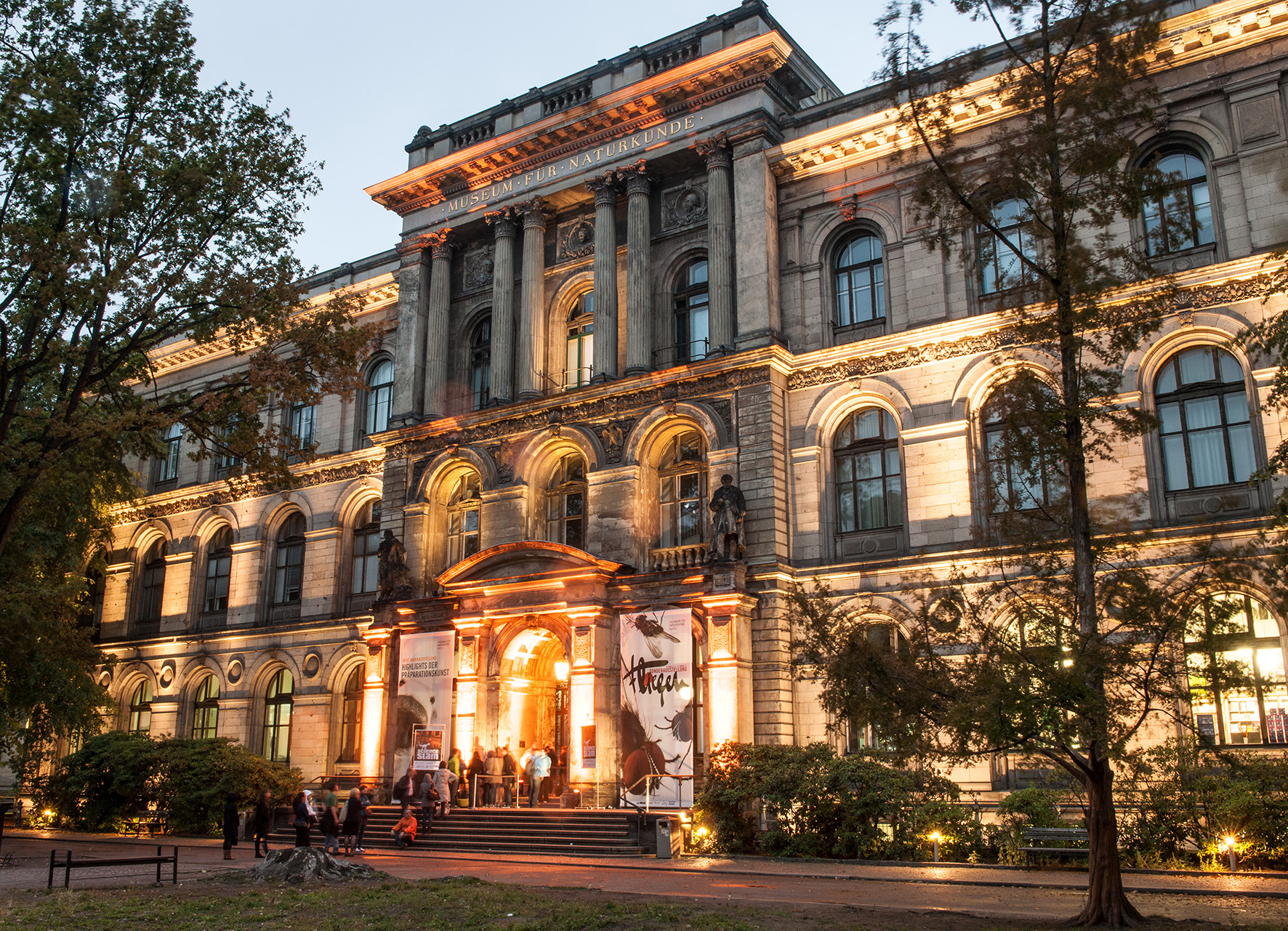
Throughout Octover 5 -6, we are looking forward to interesting sessions with 45 accepted contrubutions, including research talks, practice insights, and innovative formats. The first symposium day ends with a reception in the main hall of the Museum für Naturkunde Berlin (beneath the dinosaurs!), as well as two guided tours presenting the museum highlights.
Click here to view the full program in the conference app!
Click here to download a PDF of the program including information about the venue and how to get there!
Dr. Dana Mahr (KIT ITAS) will give a keynote titled: "Beyond the Trust Deficit: Epistemic Practices, Power and Cooperation in Citizen Science"

Public discourse on citizen science is often characterised by the diagnosis of a ‘crisis of trust’. At the same time, studies from Germany and other European countries show that general trust in science has remained comparatively stable since the COVID-19 pandemic. This tension forms the starting point for my keynote address. I argue that trust should not be understood primarily as a deficit, but as an ongoing process of epistemic evaluation: people assess scientific knowledge in the light of their own experiences, values and social positions. Conflicts over research therefore rarely arise solely from a lack of information, but frequently from differing moral and political frameworks regarding what is considered relevant, legitimate or responsible knowledge.
For citizen science practice, this implies a significant shift in perspective. If trust is the result of social and epistemic negotiation, organisers of citizen science projects are faced not only with the question of how citizens can be involved, but also with whom, under what conditions and with what forms of knowledge. Citizen science is always also a decision about which groups are invited to co-produce knowledge, and which perspectives thereby remain visible or invisible.
Building on work by KIT-ITAS on epistemic practices and science communication, I argue that citizen science should be understood as an infrastructure for knowledge cooperation. Using an example from a current project on deepfakes and AI-generated media involving young people and children (Deep-Prisma), I discuss how co-production can generate new forms of expertise: Young people contribute experiential knowledge about platform cultures, digital practices and the risks of manipulation, whilst research institutions provide methodological and analytical expertise. At the same time, this collaboration raises questions of responsibility, protection, power relations and representation: Who defines the research questions? Whose experiences are considered relevant knowledge? And what forms of participation are actually accessible to different groups? The keynote aims to encourage a shift in perspective: citizen science and science communication should be seen less as tools for restoring trust and more as practices of collaborative knowledge assessment.
We have received 76 submissions total, of which 46 could be accepted. Speakers were sent a link for registration.
Participation for non-speakers will open in July.
Symposium of the project “Trust in Citizen Science”, funded by the German Ministry of Research, Technology, and Space (BMFTR), in cooperation with the Public Communication of Science and Technology Network (PCST), and the German Citizen Science Platform mit:forschen! Gemeinsam Wissen schaffen.
Participation is one aim of science communication, and has evolved from a set of different scientific and science communication practices (Metcalfe, 2022), among them citizen science and participatory science communication. A defining feature of “citizen science projects” is the active participation of people, who usually don't have an institutional affiliation to science (Bonn et al., 2021): These “citizens” contribute to scientific knowledge production in various ways and on various levels of involvement, reaching from the collection of data to the development of research questions for a project (Strasser et al., 2019).
On the one hand, citizen science is instrumentally beneficial because it makes data collection more efficient (Bonney et al., 2016). On the other hand, citizen science has been advocated as a tool to democratize science and include diverse perspectives and local knowledge in scientific practices (Lewenstein, 2022; Wynne, 1991), as well as to make science applicable to societal transformations (Hecker, 2022). Consequently, public participation in science has been connected to a wide variety of effects and promises: Citizens’ participation in scientific practices has the potential to enhance people’s understanding of science and, thus, increase their trust in scientific practices and results. Research suggests that participation in science may not only increase trust in science and research for those citizens already involved, but also for a wider local community (Bedessem et al., 2021, 2023; Bonney et al., 2016; Metcalfe, 2022). However, citizen science and science communication research have also addressed potential negative effects that public participation may have on public understanding of and trust in science, for example, when citizens’ contributions are not considered fair (Lewenstein, 2022), useful, or voluntary (Riley & Mason-Wilkes, 2023).
Many questions about trust in and within citizen science (communication) remain. This symposium invites original research and practice contributions providing some insights on the role of trust in science as an enabling condition, as a side effect, or as (threatened) outcome of citizens’ participation in scientific projects. We furthermore invite investigations of different perspectives – citizens’, scientists’, and enablers’ perspectives, as well as that of a broader public. Contributions may also address the role of science communication–within and about citizen science projects–in fostering trust in science.
In this symposium, we look for contributions that help advance theoretical, empirical, and practical insights to citizen science research. The symposium will be hosted by the Museum fuer Naturkunde Berlin. It is part of the project consortium “Trust in Citizen Science”, funded by the German Ministry of Research, Technology, and Space, granted to Technische Universität Braunschweig, Ludwig-Maximilians-Universität Munich, and Museum fuer Naturkunde Berlin.
Key questions for the symposium will include the following:
Research Perspectives:
Practice Perspectives:
To submit a contribution to the symposium, please click the link: https://ifkw.rz.tu-bs.de/citizen-science-communication-trust-2026/cfp
The deadline for submissions is April 17, 2026.
Invited are abstracts of up to 5000 characters (including spaces and footnotes, excluding references, tables, and figures) in German or English.
Note: The symposium can accommodate only a limited number of original research or practice talks. All submissions will therefore be reviewed with regard to their fit to the goals and expectations as described above. The outcome of this review process (i.e., acceptance or rejection) will be communicated by May 18, 2026.
Call for presentations
We invite scholars and practitioners to present a research insight or a practice insight on citizen science (communication) and trust.
Innovative Formats (Workshops, Roundtables, Demonstrations, Dialogue- and Participation Sessions) may also be submitted.
Format
Fees
Participation is free of charge.
Participants will be responsible for covering their own travels, accommodation and local transportation.
Venue
The Symposium is held in the Museum für Naturkunde Berlin – right in the center of Berlin, close to the main train station and major sights.
Contacts
For further information please contact us at
ifkw-tics(at)tu-braunschweig.de
Organising Committee
You can also download the Call for Papers als PDF in English or in German here.
Trust in Citizen Science (TiCS) is a three-year project (2023-2026) funded within the Science Communication Research funding line by the BMFTR (Federal Ministry for Research, Technology and Space) in Germany.
The team (based at Technische Universität Braunschweig, Ludwig-Maximilians-Universität Munich, and Museum für Naturkunde Berlin) investigates trust in citizen science from three perspectives: a) trust within citizen science projects, b) (mediated) public trust in citizen science, and c) scientists’ trust in citizen science.
https://www.tu-braunschweig.de/en/fourc/drittmittelprojekte/trust-in-citizen-science-tics
Besides hosting a spectacular collection of natural history exhibits, the museum stands amongst Germany’s leading institutions for citizen science, co-hosting the national platform mit:forschen! and the European Citizen Science Association (ECSA). It serves as a hub for science-public interaction, coordinating activities in science communication, public participation in science, and citizen science.
https://www.museumfuernaturkunde.berlin/en
The International Network on Public Communication of Science and Technology (PCST) is one of the first and widest international networks for science communication.
The aim of the network is to multiply opportunities for exchange and co-operation among both researchers and professionals who work in the many diverse but complementary fields of public communication of science and technology.
www.pcst.network
mit:forschen! Gemeinsam Wissen schaffen (formerly Bürger schaffen Wissen) is the central platform for citizen science in Germany. The platform presents, connects and supports citizen science projects since April 2014. The platform’s main goals are to give an overview of citizen science projects, to inform about the concept of citizen science and strengthen its visibility and acceptance, to further develop the citizen science landscape in Germany and internationally and to contribute to current debates on participatory science.
mit:forschen! is a joint project by Wissenschaft im Dialog and Museum für Naturkunde Berlin, funded by the German Federal Ministry for Research, Technology and Space since November 2013.