
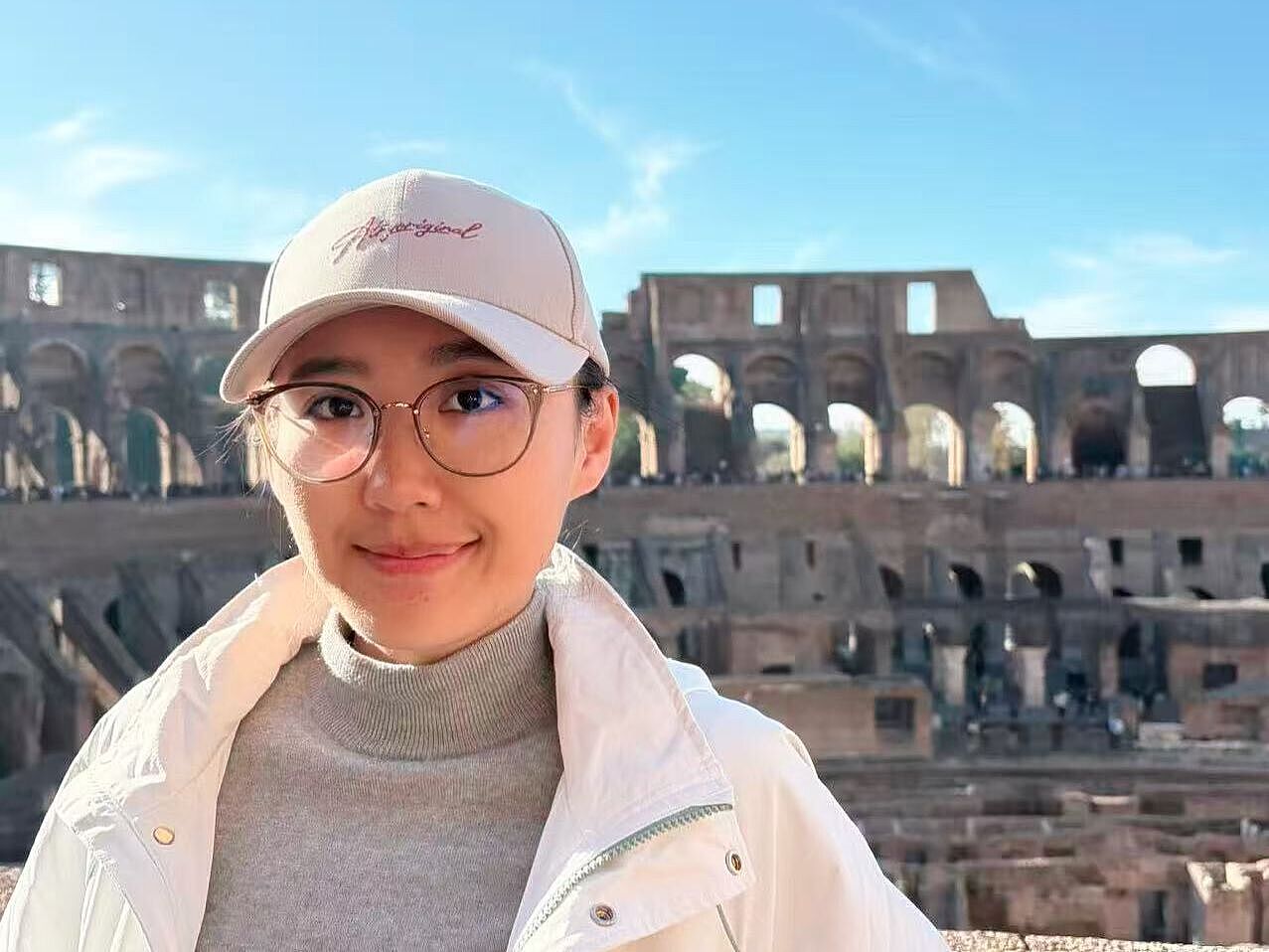
Ningrui Zhang is a doctoral candidate in the dual-degree program between the College of Architecture and Urban Planning at Tongji University and the Institute of Architecture at TU Braunschweig. She earned her Master’s degree in Architecture from Southeast University in 2020, specializing in the design and planning of healthcare and elderly care facilities. During her Master’s studies, she actively participated in various design and research projects under the guidance of her supervisor, including the interior design of the Elderly Care Center and preliminary design studies for community and general hospitals in Nanjing. She also contributed to a National Natural Science Foundation of China project and took part in a national research initiative led by the National Health Commission of China, focusing on the evaluation and planning of township health centers in the context of shrinking cities.
After graduation, Ningrui Zhang joined the Healthcare and Elderly Care Design Department of East China Architectural Design & Research Institute in Shanghai, where she was involved in the design and planning of a wide range of medical facilities, including general hospitals, specialized hospitals (such as maternity, pediatric, rehabilitation, infectious disease, and traditional Chinese medicine hospitals), and the adaptive reuse design of existing buildings for temporary COVID-19 care facilities in Shanghai during the 2022 pandemic.Since 2022, she has been pursuing her doctoral studies with a research focus on the design and functional optimization of maternity hospitals, emphasizing environmental psychology and behavioral studies.
Healthcare Architecture Design and Planning, Environmental Behavior Studies, Qualitative and Quantitative Research, Mixed-Methods Surveys and Needs Assessment, Post-Occupancy Evaluation (POE)
“Over the past eight years, my close engagement with healthcare architecture has deepened my understanding of the profound social responsibility and mission inherent in this profession. My overlapping identities as a student, designer, and patient have continually inspired me to explore how built environments can better serve human well-being and foster health-oriented behaviors.”