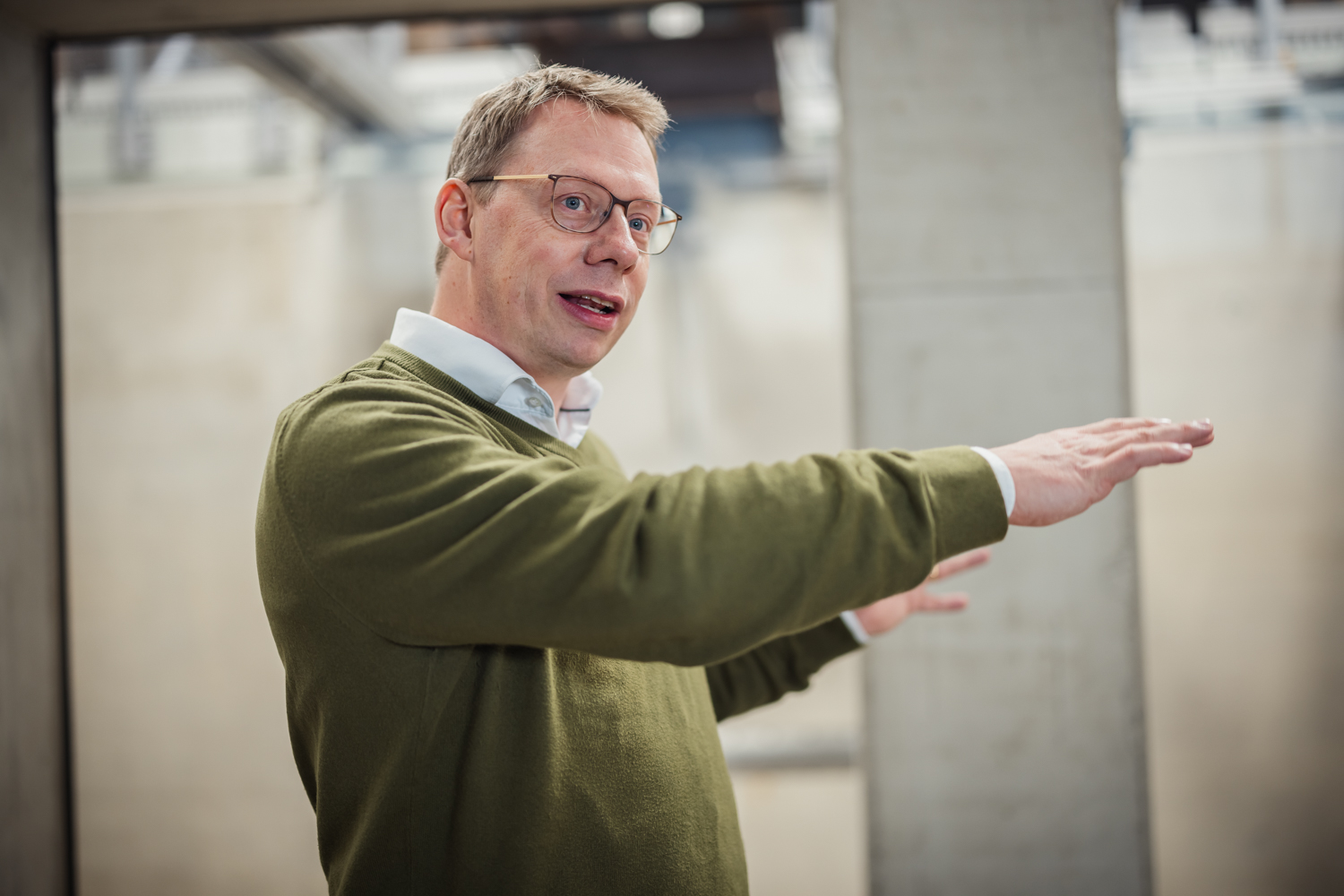
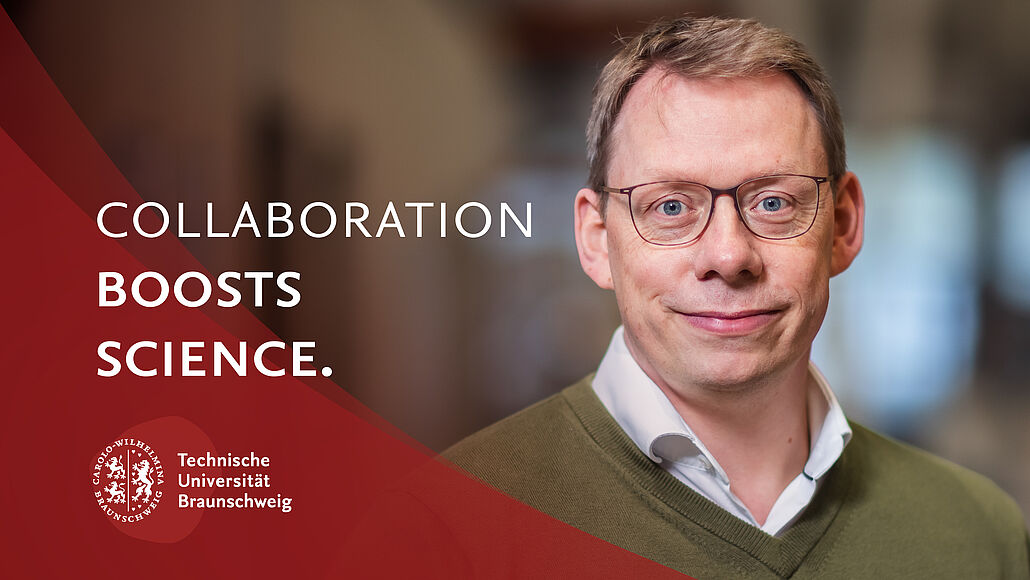
For Professor Nils Goseberg, coastal engineering has long since ceased to be a purely technical discipline: he conducts research for the benefit of people and their safety, whether in Indonesia or Lower Saxony. Extreme events such as tsunamis, storm surges and dyke/dam breaches drive his passion for research. His research at Technische Universität Braunschweig has an impact around the world, and he is establishing transdisciplinary networks that tackle the challenges of climate change with innovative solutions.
“The university offers lots of opportunities to meet people, cultivate international contacts, invite people over and discuss important issues. And I really appreciate that.”
As Head of Division of the Leichtweiß Institute for Hydraulic Engineering and managing director of the joint coastal research centre at the TU Braunschweig and Leibniz University Hannover, Nils Goseberg develops technologies that protect coasts, seas and people in the long term. His research achieves tangible results and even saves lives. In collaboration with other disciplines such as Social Sciences, Nils Goseberg contributes his expertise on flood dynamics, flow events and the interaction with structures to create hazard maps and evacuation scenarios.
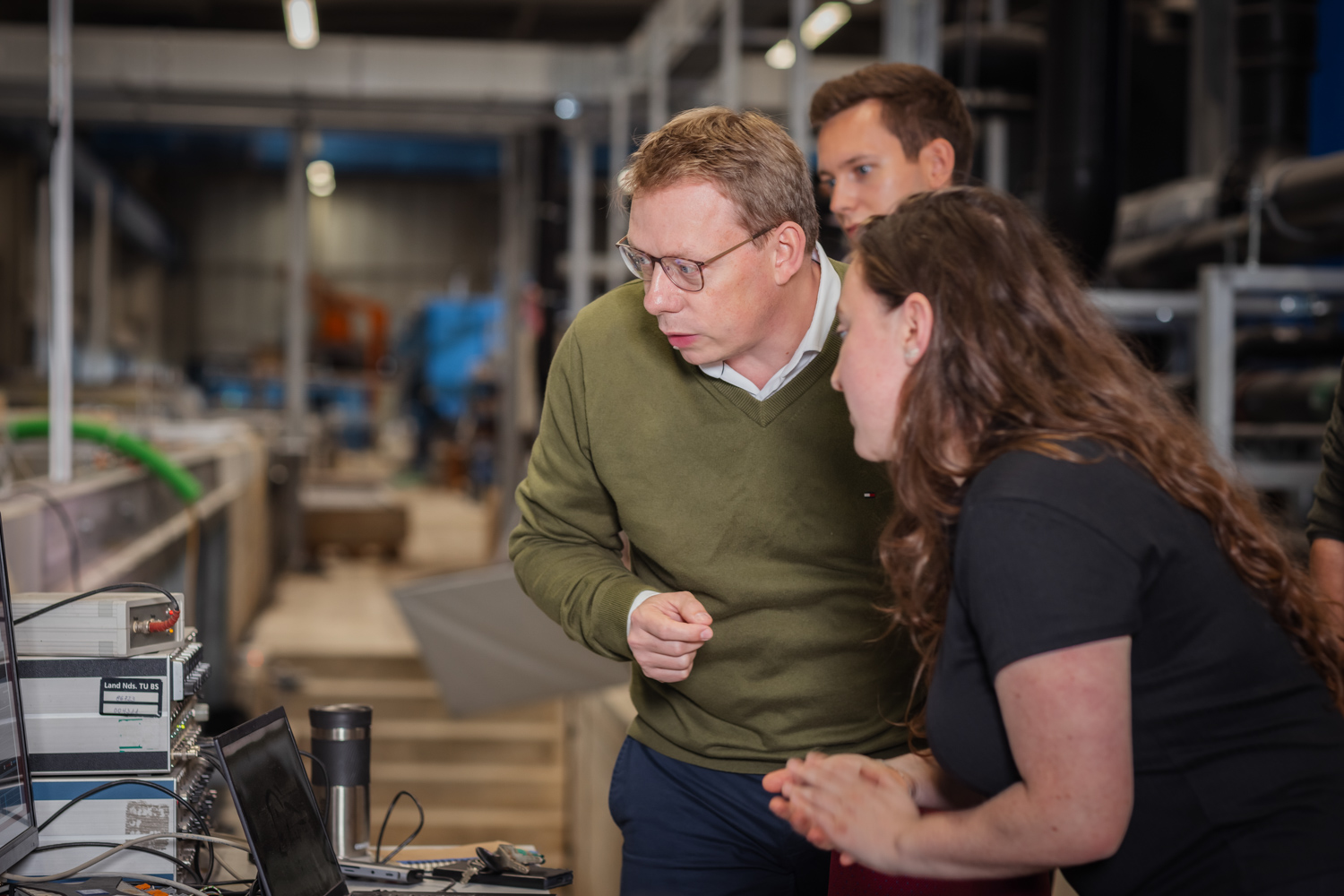
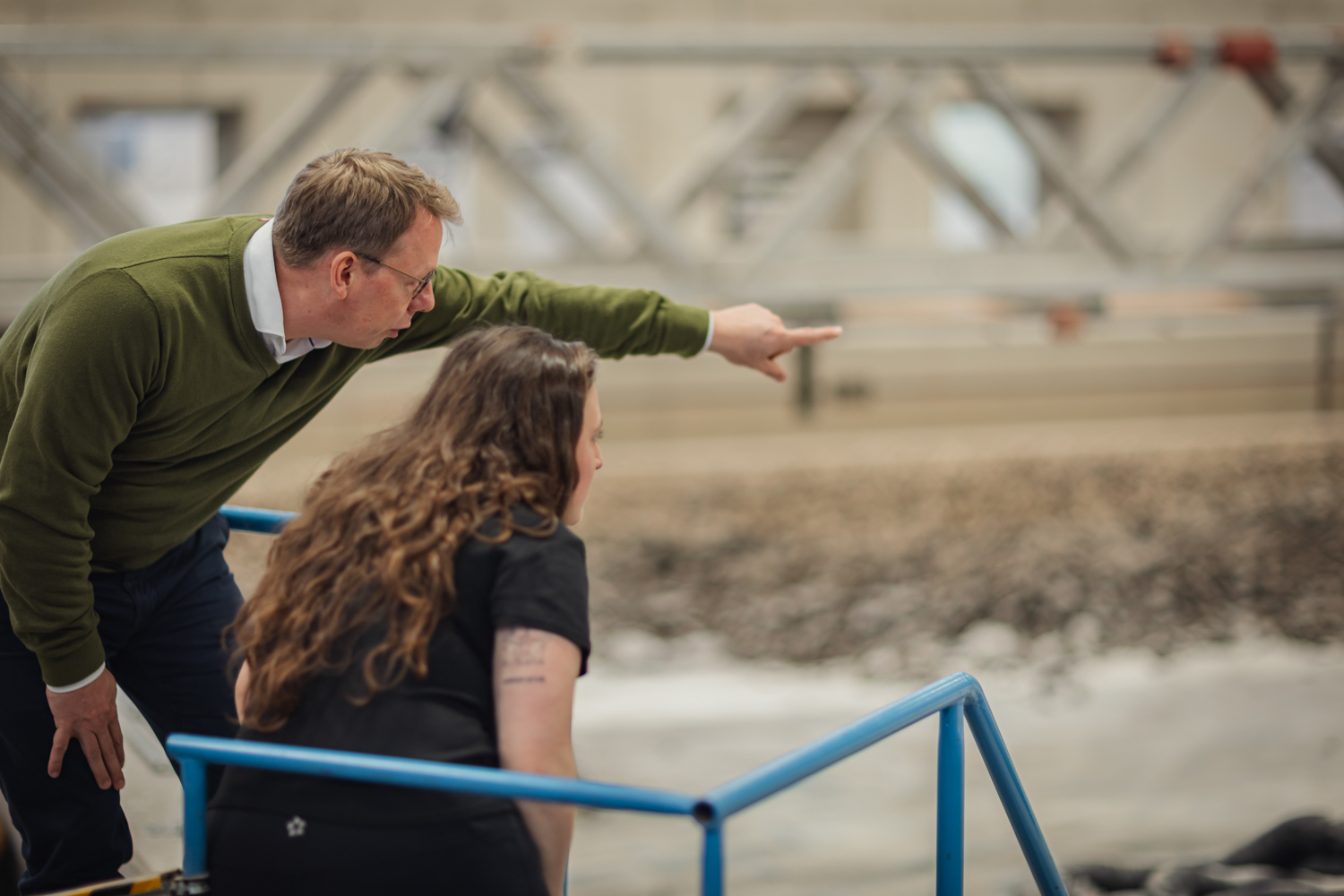
“I am thrilled that I can solve problems together with lots of people, often young people who, like me, are enthusiastic about research.”
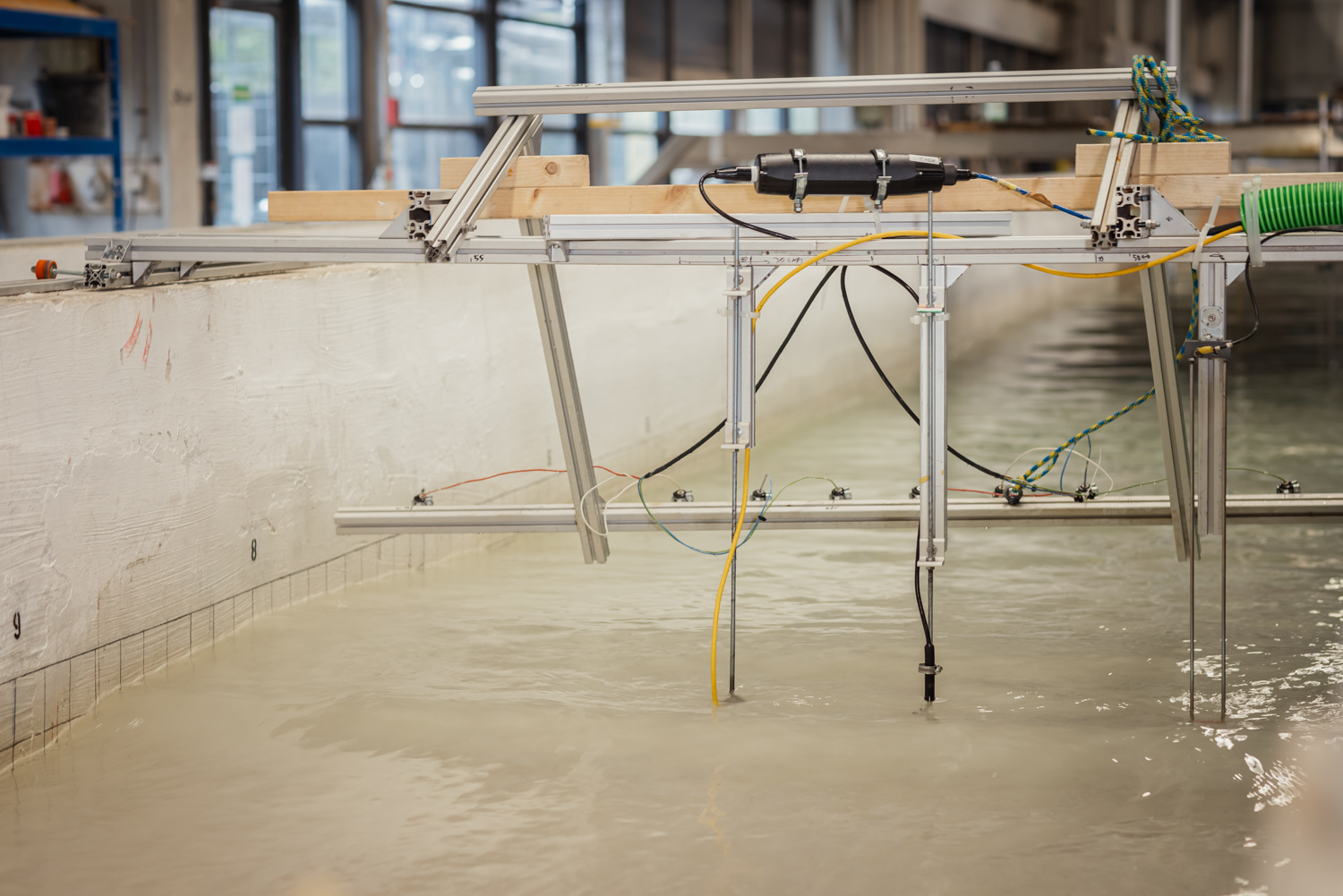
One focus of his research is ecosystem-based coastal protection, with the aim of finding solutions to the effects of climate change. This involves the targeted preservation and restoration of natural habitats such as dunes, salt marshes and mangroves in order to provide sustainable protection for coastlines against storm surges, erosion and rising sea levels. In the wave flume at Technische Universität Braunschweig, Nils Goseberg and his team are testing how plant roots anchor sediments, slow down wave energy and thus enable dynamic adaptation to changing environmental conditions. Compared to purely technical structures, these ecological measures are more cost-effective in the long term and also offer ecosystem services such as carbon sequestration and recreational areas. Through close collaboration between engineering, ecology and local communities, Nils Goseberg is thus ensuring flexible and resilient coastal protection.
However, he does not only focus on classic marine engineering topics, but also researches how we can use the power of the oceans ecologically for the future of humanity. For example, he is investigating food production on the high seas and marine proteins as the key to global food security and the UN sustainability goals – always with respect for people and the environment. With his research, Professor Nils Goseberg is helping to harness the power of nature while protecting our valuable habitats. At TU Braunschweig, he relies on interdisciplinary teams and motivates young researchers to help shape and secure our habitats in a sustainable way.