
Metabolism coordinates the conversion of available nutrients toward energy, biosynthetic intermediates, and signaling molecules to mediate cellular functions.
Dysregulation of metabolic pathways (i.e. genetic perturbation, i.e. via environmental stress and/or inflammatory signaling) contributes to many metabolic diseases, including cancer, inflammation, and brain disorders. However, our current knowledge of metabolic pathways and their regulation is still limited, so a detailed understanding of metabolism has significant therapeutic implications.
The overall theme of our research is to characterize metabolic heterogeneity and interconnectivity of cells and pathogens to better understand metabolism in driving cell function, focusing on metabolic flux, mass spectrometry, and engineering approaches. We expect that our research identifies metabolic vulnerabilities in inflammatory diseases, which can be influenced through targeted therapies.
Our current research centers on metabolic tracing approaches to understand how metabolism is reprogrammed in response to inflammatory signaling, nutrient availability, environmental stress, or genetic perturbation. Our specific research interests are:
to characterize how genetic perturbations, microenvironment, intracellular signals, and small molecules impact metabolic fluxes and host-pathogen interactions
to understand inter- and intracellular transport mechanisms
to identify therapeutics and, ultimately, translate drug targets into the pharmaceutical industry
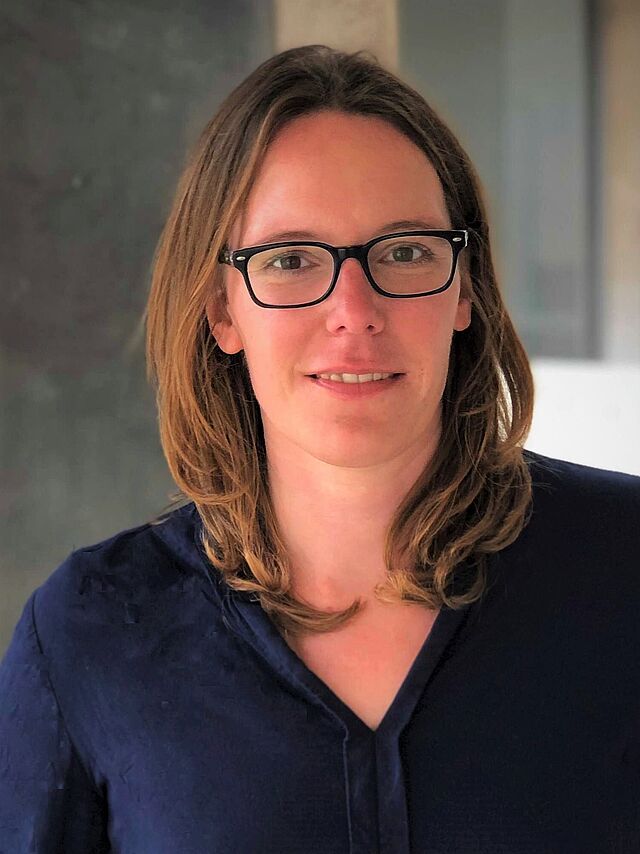
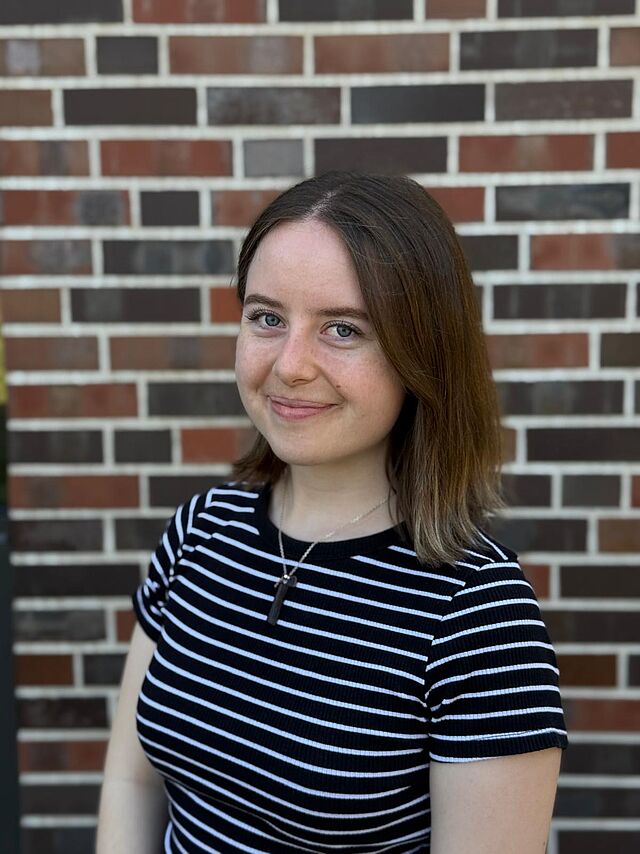
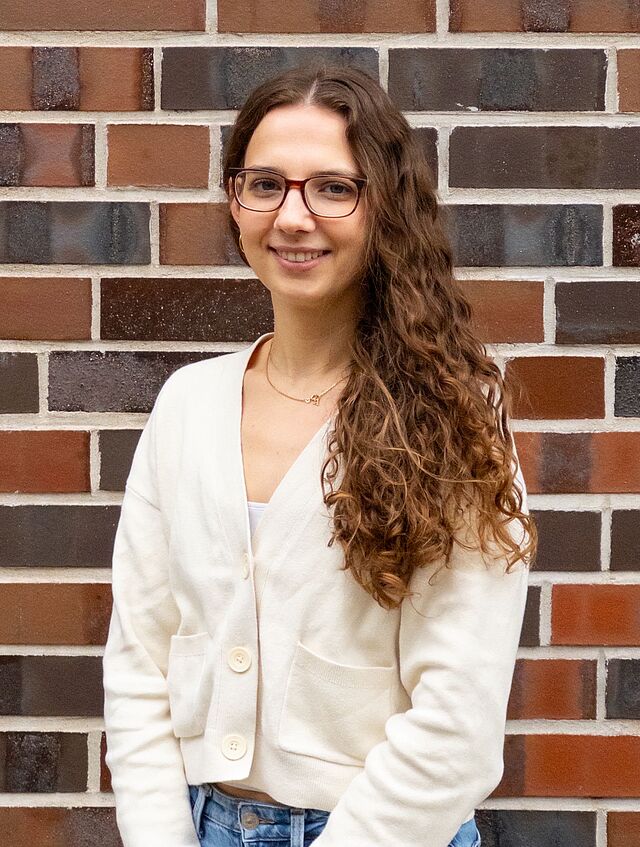
Thekla Cordes is a professor for Cellular Metabolism at the TU Braunschweig and HZI and applies mass spectrometry and tracing approaches to track metabolic pathways in mammalian cells. Taking this approach, her lab has made discoveries about how metabolism is reprogrammed in inflammation, cancer, and brain disorders. Cordes has an interdisciplinary and international training background that has spanned both industry and academic labs, covering metabolism, mass spectrometry, metabolic flux analysis strategies, and bioprocess engineering. At TU Braunschweig, her research will focus on identifying and exploiting metabolic vulnerabilities using mass spectrometry and tracing approaches to better understand metabolism in health and disease. Prior to joining TU Braunschweig, Cordes was a Project Scientist at the University of California, San Diego (UCSD) and SALK Institute for Biological Studies in La Jolla, US.

OPEN POSITION:
PhD student Position (f/m/d) in cellular metabolism available in the MSCA Doctoral Network UNLIMITED (UNderstanding Lipid ImmunoMetabolIsm To trEat Disease)
https://euraxess.ec.europa.eu/jobs/409482
Job offer: published 11.02.2026
see also recent news to this topic: TU Magazine
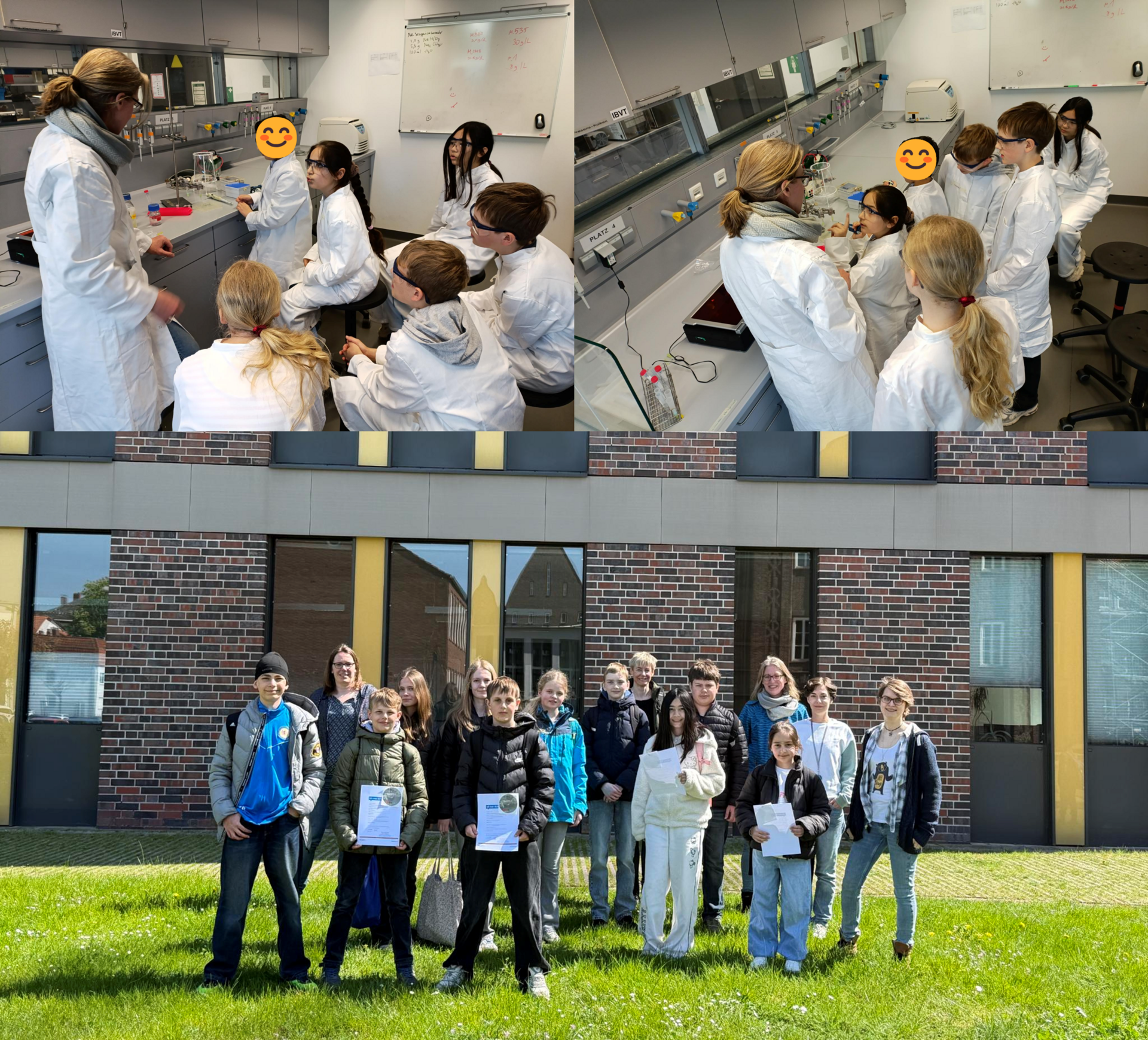
A resounding success: Our Future Day at BRICS! Together with Rebekka Biedendieck, Katrin Dohnt, and Thekla Cordes, we gave students a chance to dive into the exciting world of microbiology, process engineering, and bioinformatics & biochemistry. Highlights included bioreactor construction, fluorescent proteins, and luminescent bacteria. The day ended with a campus tour, discussions, and a group visit to the cafeteria.
published: 11.05.2026
EU-funded doctoral program UNLIMITED strengthens research in field of immunometabolism
In March 2026, the Europe-wide doctoral program “UNLIMITED – Understanding Lipid Immunometabolism to Treat Disease” was launched under the leadership of the University Medical Center Mainz. In cooperation with the Technische Universität Braunschweig, a doctoral position will also be established in a research group at the Helmholtz Centre for Infection Research (HZI)
Further Information can be found here | 16.04.2026 | HZI / Uni Mainz
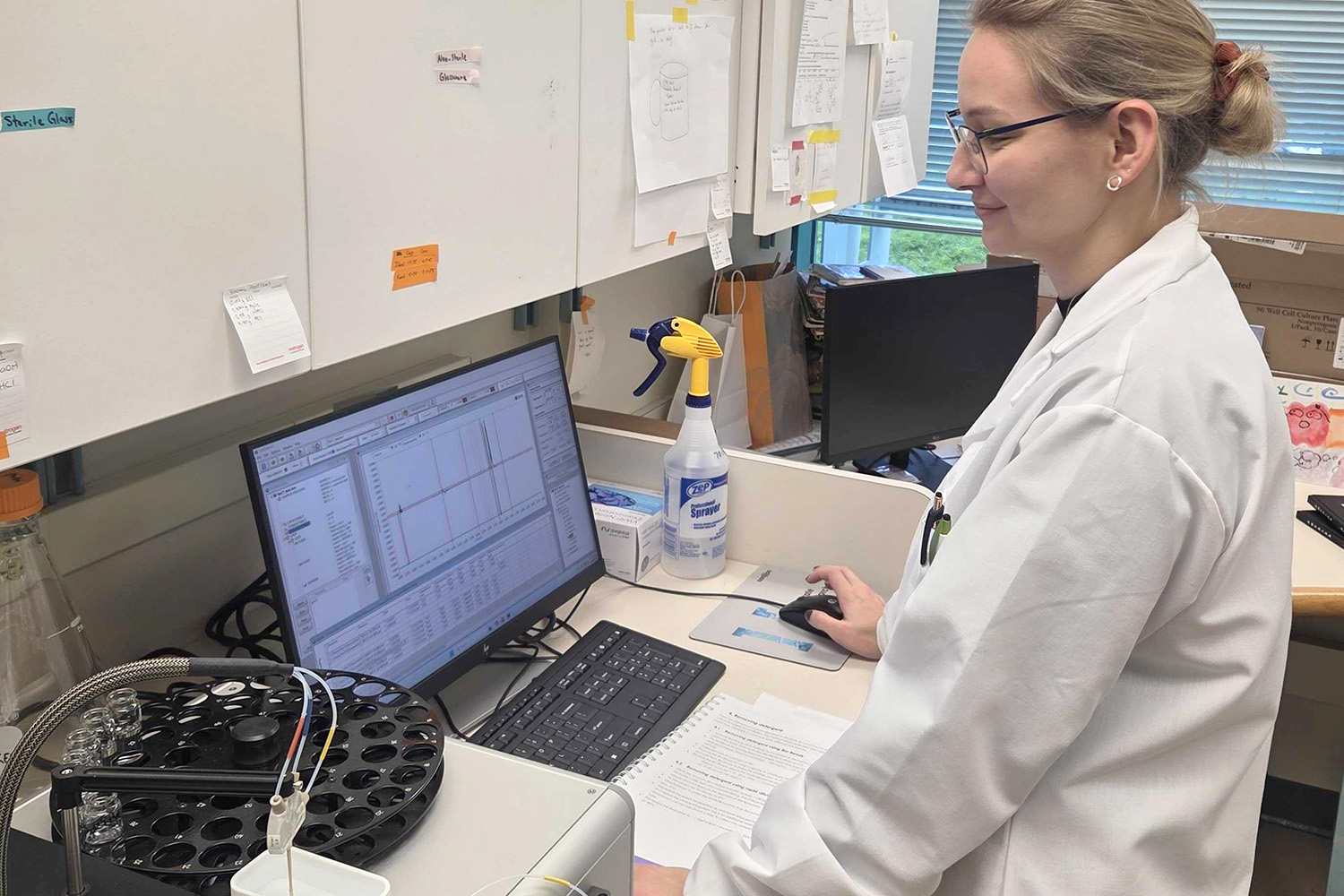
International cooperation in cell metabolism research
Doctoral student reports on her stay in Canada
In January, doctoral student Hanna Voß-Willenbockel had the opportunity to spend two weeks learning about research and everyday working life in Vancouver, Canada. As part of a continuing education stay funded by Erasmus+, she travelled to the BC Children’s Hospital Research Institute, where she learned new scientific methods in Prof. Seth Parker’s working group and gained valuable international research experience.
Further Information can be found here | 09.02.2026 | TU Magazine
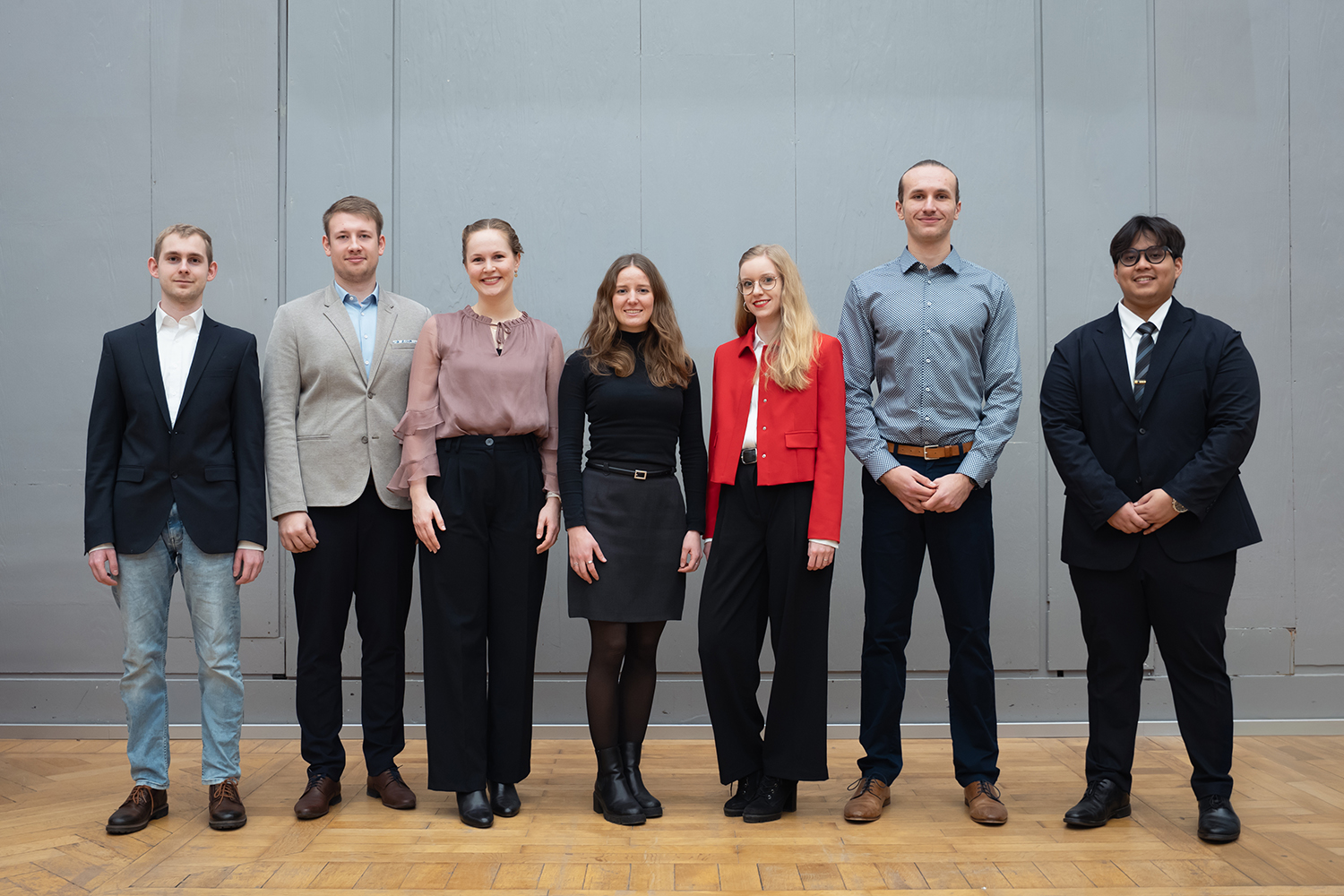
Seven students from TU Braunschweig receive the ‘Braunschweig Citizens’ Award’
On St. Nicholas Day, the Braunschweig Citizens’ Award was presented as is tradition – for the 30th time in 2025. This year, seven students from Technische Universität Braunschweig were honoured for outstanding academic achievements and social commitment, including Lena Zackl working for our institute.
Further Information can be found here | 06.12.2025 | TU Magazine
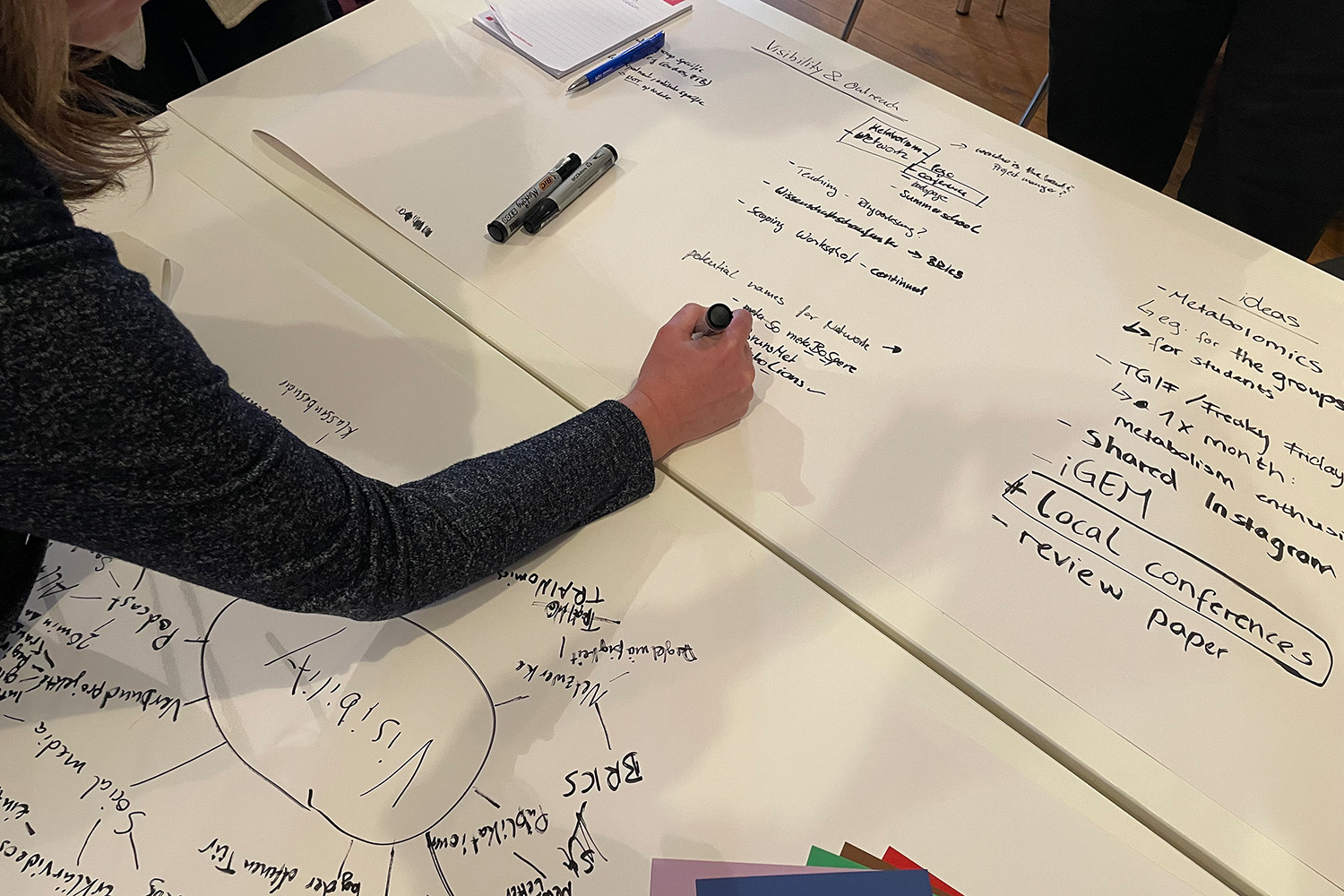
Cooperative ecosystem accelerates metabolic research in the Braunschweig area | Goal: Establishment of a "metaBoSpace"
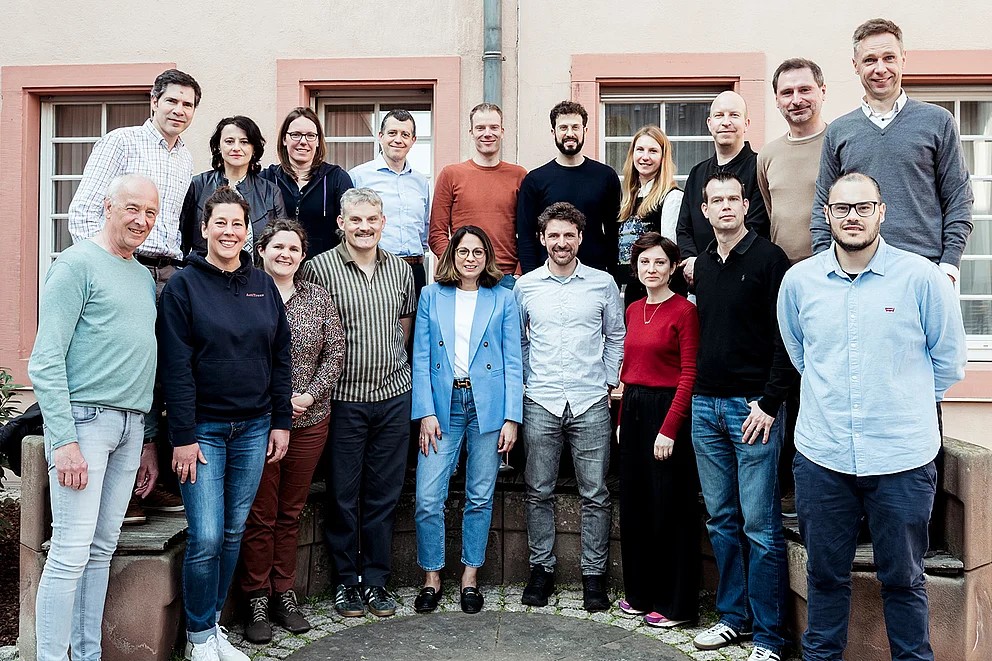
A new chapter in metabolic research in the Braunschweig area was opened at Drübeck Monastery in the Harz Mountains from 4 to 5 November 2025: Around 30 researchers at all career stages came together for a workshop to promote the formation of a metabolic research community within the Braunschweig ecosystem.
Further Information can be found here | 20.11.2025 | TU Magazine
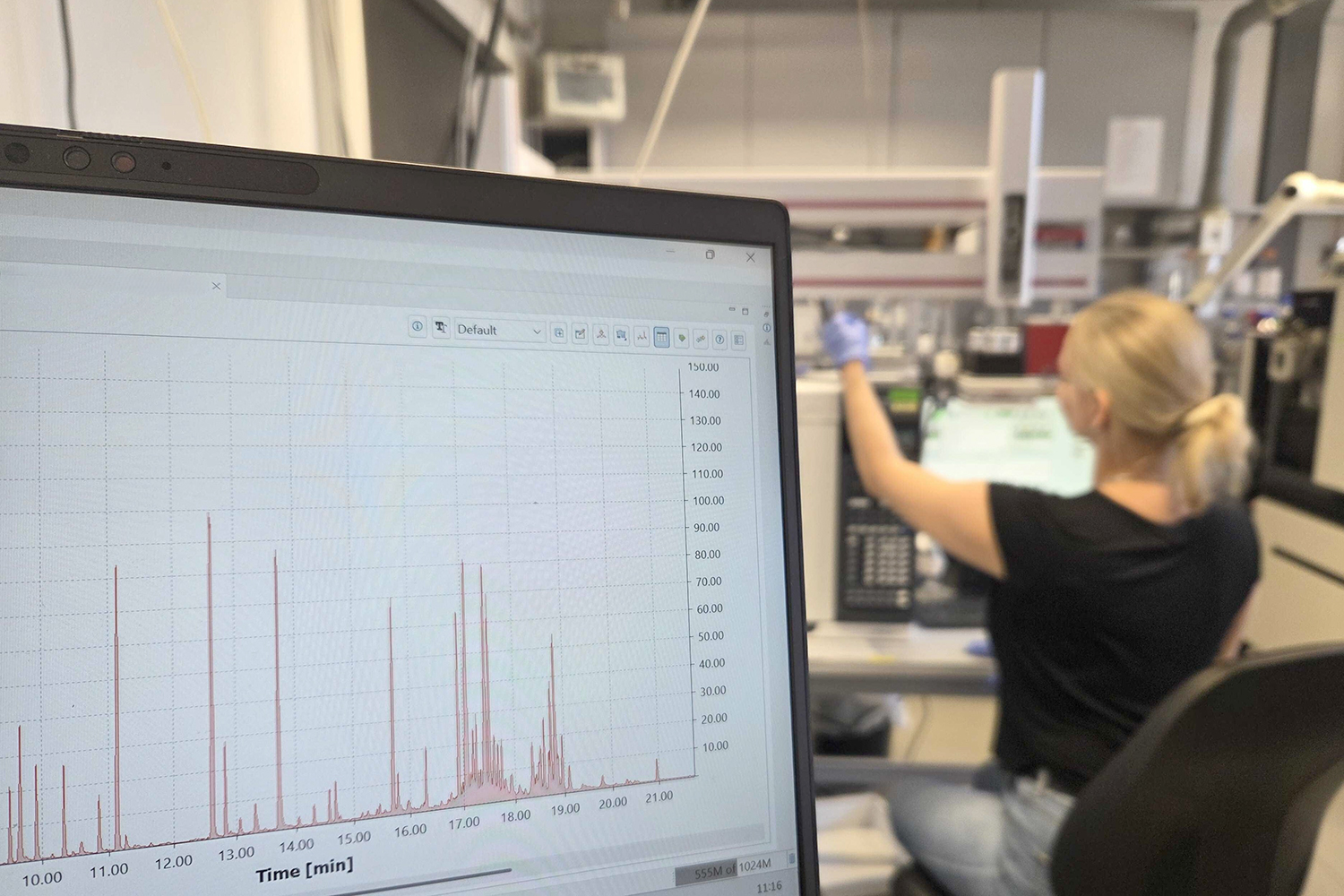
Scientists from Braunschweig and San Diego track the path of the small molecule itaconate to understand its immunomodulatory function.
Itaconate is a small molecule produced by our bodies to fight bacteria and control the immune response. Scientists led by the Technical University of Braunschweig have now deciphered for the first time exactly how it moves within the body. The findings open up new approaches for the treatment of inflammatory diseases.
Further Information can be found here | 16.09.2025 | TU Magazine
German version: TU Magazin
Macrophage Effectors gone Mad: Nitric Oxide and Itaconate in Macrophage Metabolic Reprogramming
Presentation | Daniel W. McVicar, Ph.D.
Date: Friday, December 13th, 2024
Time: 10:00h (am)
Location: BRICS, seminar room 046
Host: Karsten Hiller (Department of Bioinformatics and Biochemistry)
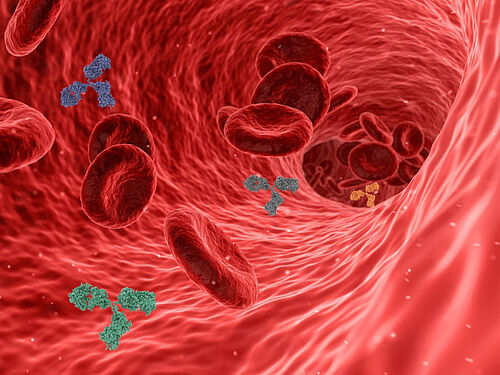
Researcher from Braunschweig explores new approaches to cancer treatment
Despite modern immunotherapies and existing medications, lung cancer patients often develop resistance to these treatments. To address this gap, an international team—including Thekla Cordes, Professor of Cell Metabolism at the Technical University of Braunschweig at the Braunschweig Center for Systems Biology (BRICS) and the Helmholtz Center for Infection Research (HZI)—has explored potential targets for cancer therapies.
Further Information can be found here | 10.03.2024 | regionalHeute
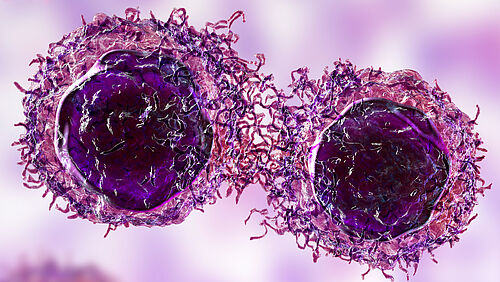
Hijacking: Tumor Cells Reprogram the Immune System
Despite modern immunotherapies and existing medications, lung cancer patients often develop resistance to these treatments. To address this gap, an international team has explored potential targets for cancer therapies. In their research, the interdisciplinary team discovered that lung adenocarcinoma employs a sophisticated mechanism to promote the growth of cancer cells. In doing so, it exploits immune cells in the lung tissue and harnesses them for its own purposes.
Further Information can be found here | 08.03.2024 | TU Magazine

BRICS Women Network
A network for female master’s and doctoral students focused on gender equality in the life sciences
As a female researcher, how can I plan my career? Do I have to go abroad? How do I present myself professionally? How do I balance family and career?
Networking opportunities for discussing such topics can often play a crucial role in academia, particularly among female researchers. To this end, the BRICS Women Network (BWN) has been in place at the Braunschweig Center for Systems Biology (BRICS) since the summer semester of 2023.
Further Information can be found here | 20.12.2023 | TU Engineering for Health
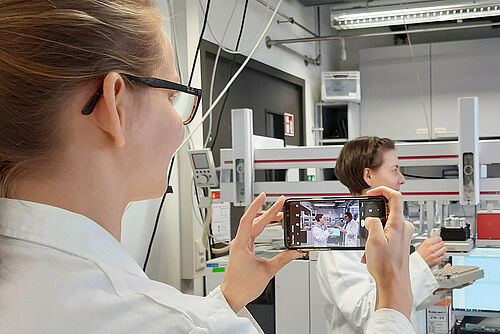
„Ich möchte das Vertrauen in die Forschung stärken“
Hanna F. Willenbockel studiert Biologie und arbeitet an ihrer Masterarbeit in der Gruppe von Professorin Thekla Cordes. Diese Forschungsgruppe ist im Department für Bioinformatik und Biochemie am Braunschweiger Zentrum für Systembiologie (BRICS) angesiedelt. Dort untersucht sie, wie sich der Stoffwechsel von Immunzellen während einer Infektion verändert. Nebenbei engagiert sie sich für Wissenschaftskommunikation in den Biowissenschaften.
Further Information can be found here | 02.05.2023 | TU Magazine
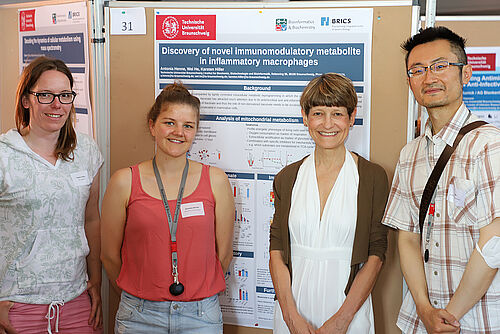
Understanding and treating diseases
The offer at the Poster Marketplace of the research area “Infection and Therapeutics ” is huge. 40 projects and working groups with a total of 90 participants presented their research here on 19 July and at the same time gave a good overview of the wide range of the research focus. This ranges from research into neurodegenerative diseases to drug targeting and the creation of bioinformatic prognosis models. We took a look around the marketplace and spoke with some of the scientists.
Further Information can be found here | 28.07.2022 | TU Magazine
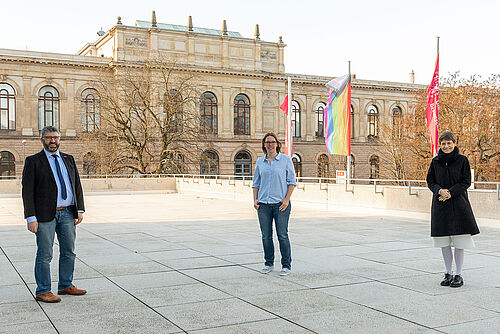
“I am fascinated by the complexity of metabolism”
Since mid-February 2022 Professor Thekla Cordes has been teaching and researching in the field of cellular metabolism at the TU Braunschweig at the BRICS. The biotechnologist studied in Braunschweig, but her work took her out into the world. Most recently she worked in the USA. As a scientist, she focuses on researching metabolism and how it influences human health.
Further Information can be found here | 26.04.2022 | TU Magazine
Carolin Schlangen (Master Student, 2026)
Melina Nowak (Master Student, 2026)
Melina Palme (Master Student, 2026)
Fangfang Chen (PostDoc, 2022-2025)
Laura Hadam (Master Student, 2025)
Sina Wischnewski (Master Student, 2024)
Wiktoria Wierzbicka (Master Student, 2024)
Moritz Crome (Bachelor Student, 2024)
Lea Woyciechowski (Master Student, 2023)
Birte Dowerg (Master Student, 2023)
Hanna Voß-Willenbockel (Master Student, 2023)
Farah Fazei (Bachelor Student, 2022)
Nico Rachlitz (Bachelor Student, 2022)
Sven Kaufmann (Bachelor Student, 2022)
Kristian Roth (ProDiGi, 2022)
Janna Puschmann (ProDiGi, 2022)
Technische Universität Braunschweig
Institute for Biochemistry, Biotechnology, and Bioinformatics
Department of Bioinformatics and Biochemistry
BRICS - Braunschweig Integrated Centre of Systems Biology
Building 3210, rooms 130 - 133
Rebenring 56
38106 Braunschweig, Germany
