N. Eickelberg, J. Aberle
2024 - 2025, continuation expected in 2027
BGR - Federal Institute for Geosciences and Natural Resources
TU Dresden
With the rising demand for critical metals for the global economy, interest in deep-sea mining is growing worldwide. However, the potential extraction of manganese nodules on the seafloor raises concerns about the associated environmental impacts, and many countries, including Canada and New Zealand, are calling for a moratorium, while Germany is advocating for a 'precautionary pause.'
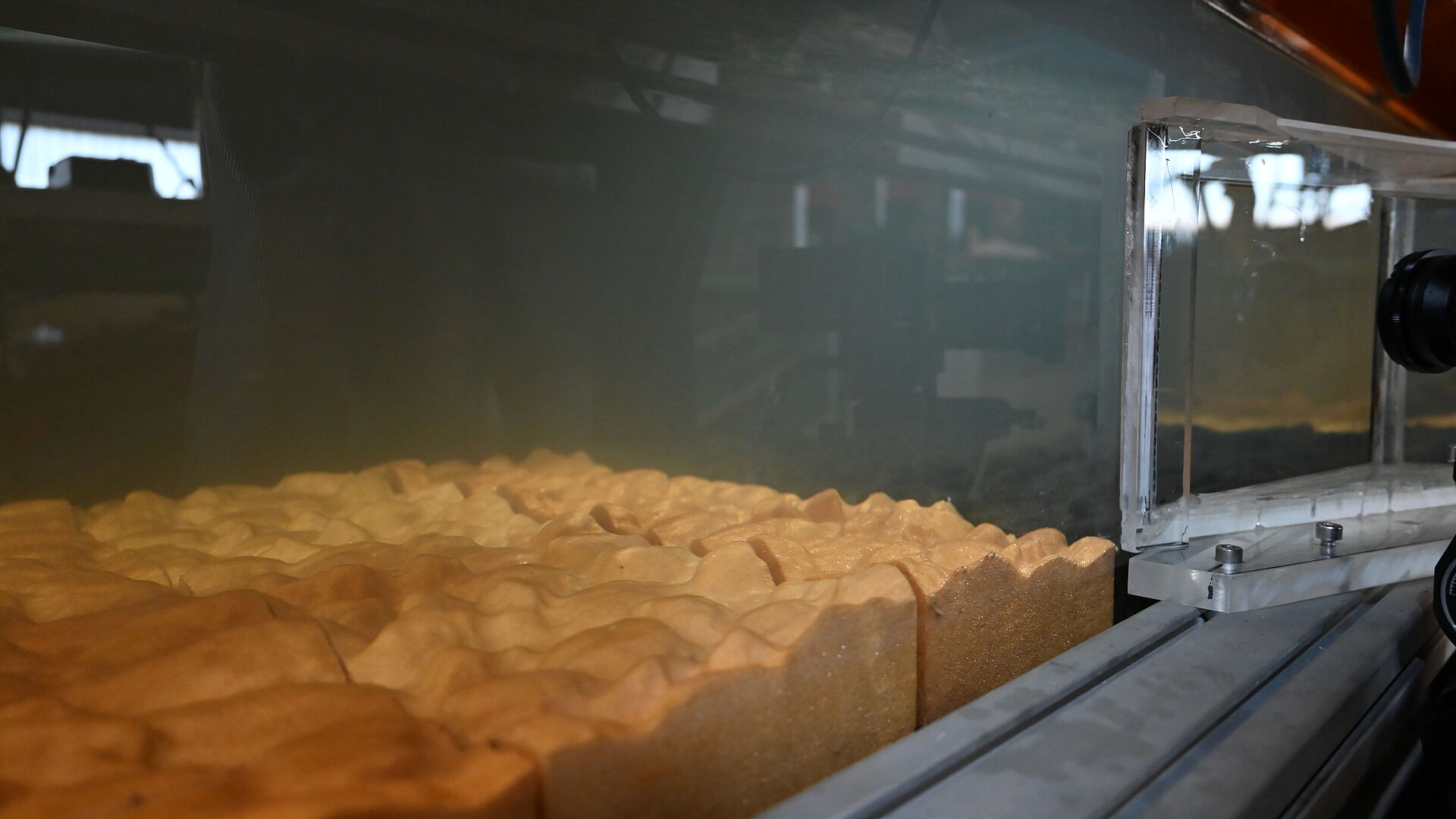
As part of the ERASE project, it is planned to work with TU Dresden to investigate to what extent the eroded deep-sea sediments could be remobilized in the long term during potential mining. The study will be carried out using two replicated deep-sea samples (Kasten et al. 2018) that were exposed to simulated mining conditions during another trial campaign and thus overlaid with deep-sea sediment.
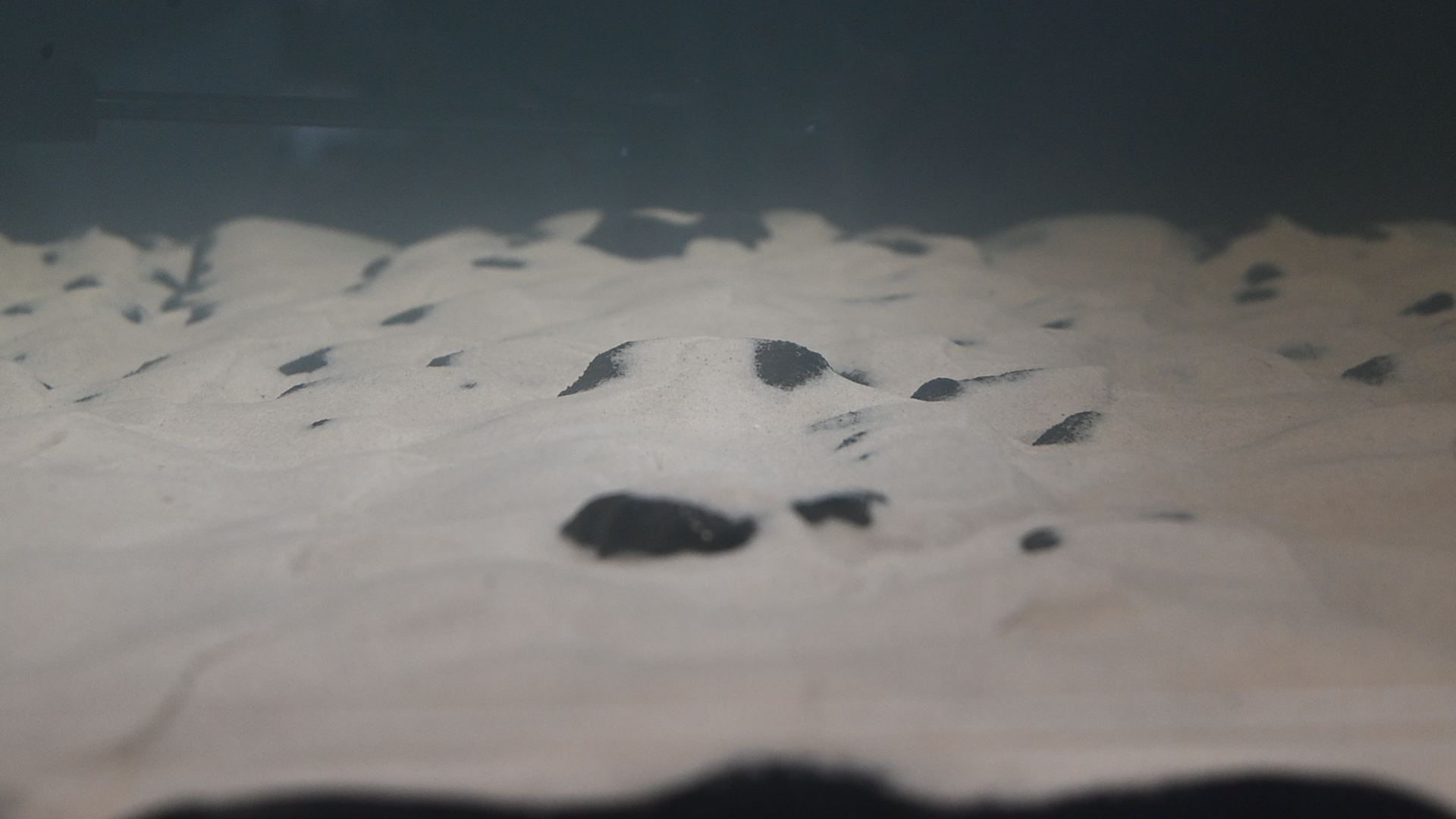
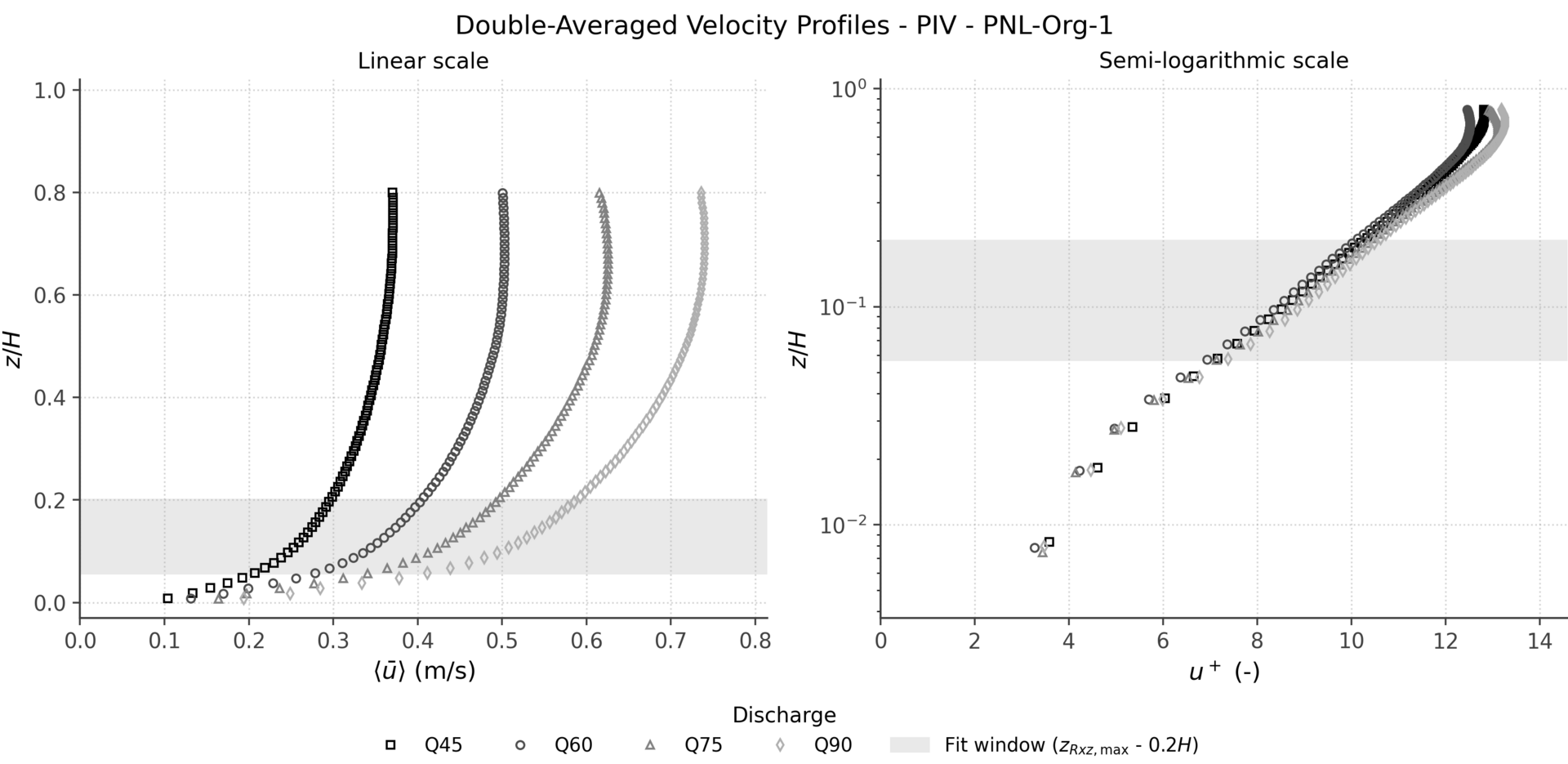
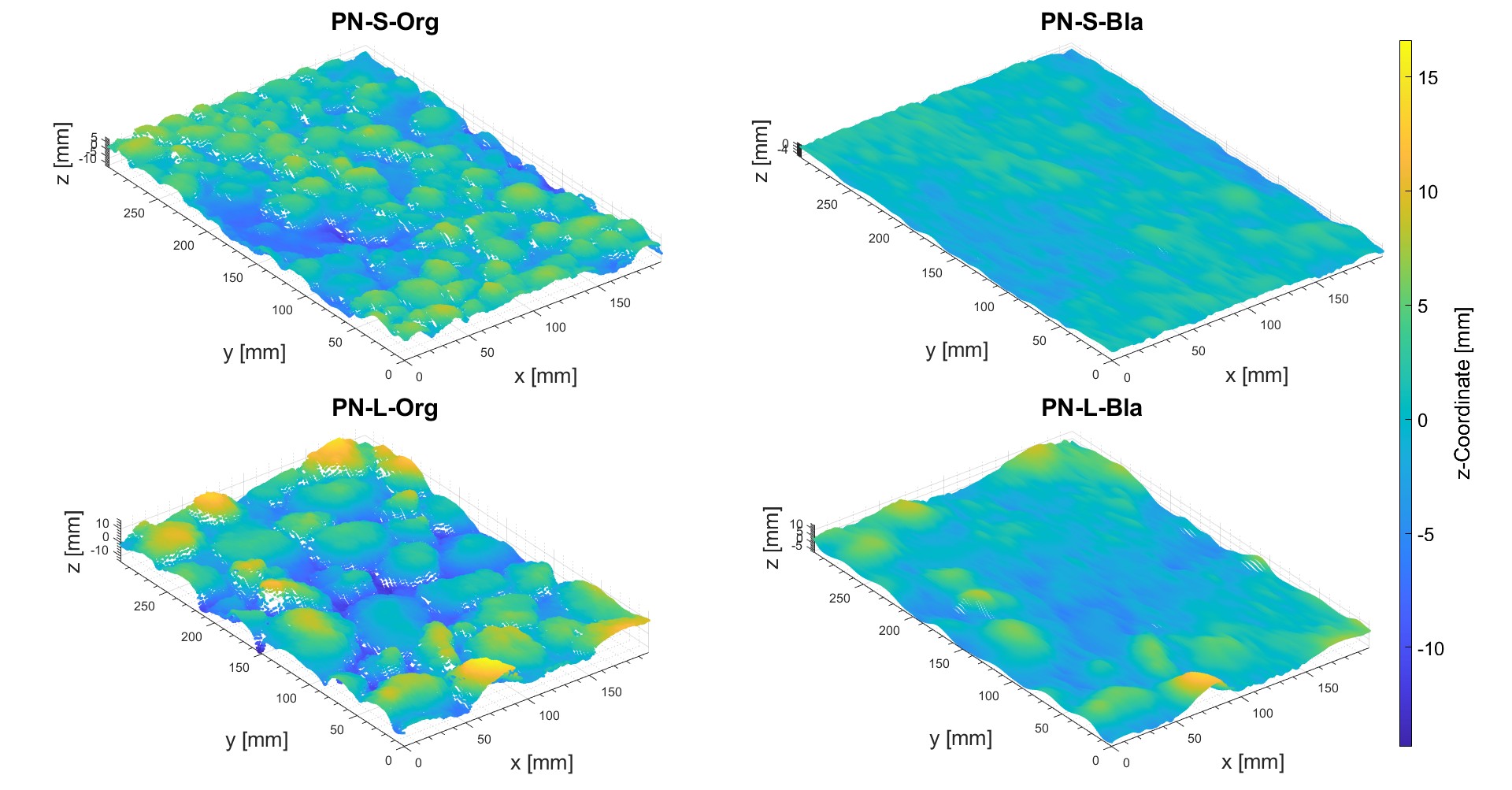
The original condition and the sediment-covered samples were milled in Braunschweig based on a 3D model. The flow velocities occurring in the deep sea were tested in flume experiments with regard to the resulting bed shear stress, and sediment erosion was investigated in further experiments. The results were compared with simulated data from TU Dresden, and a numerical model is to be developed that will be capable of predicting the erosion of cohesive sediments in the deep sea.