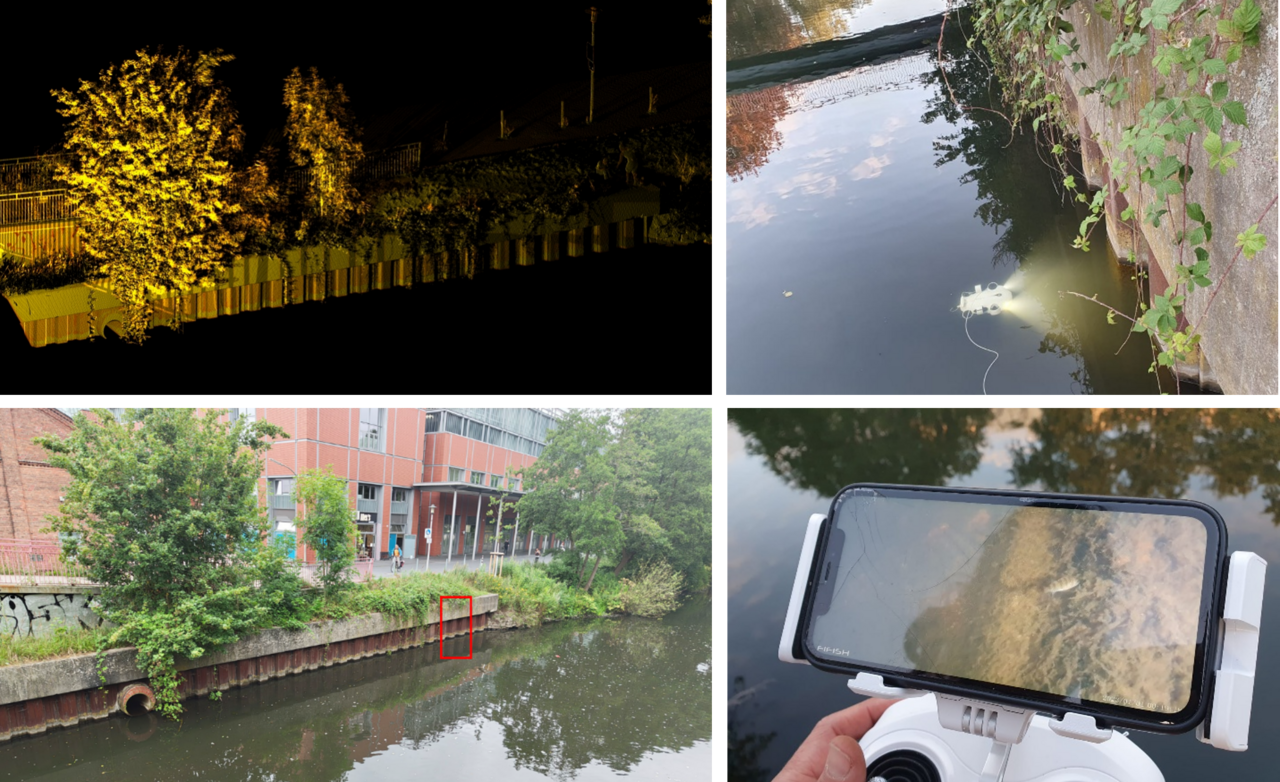
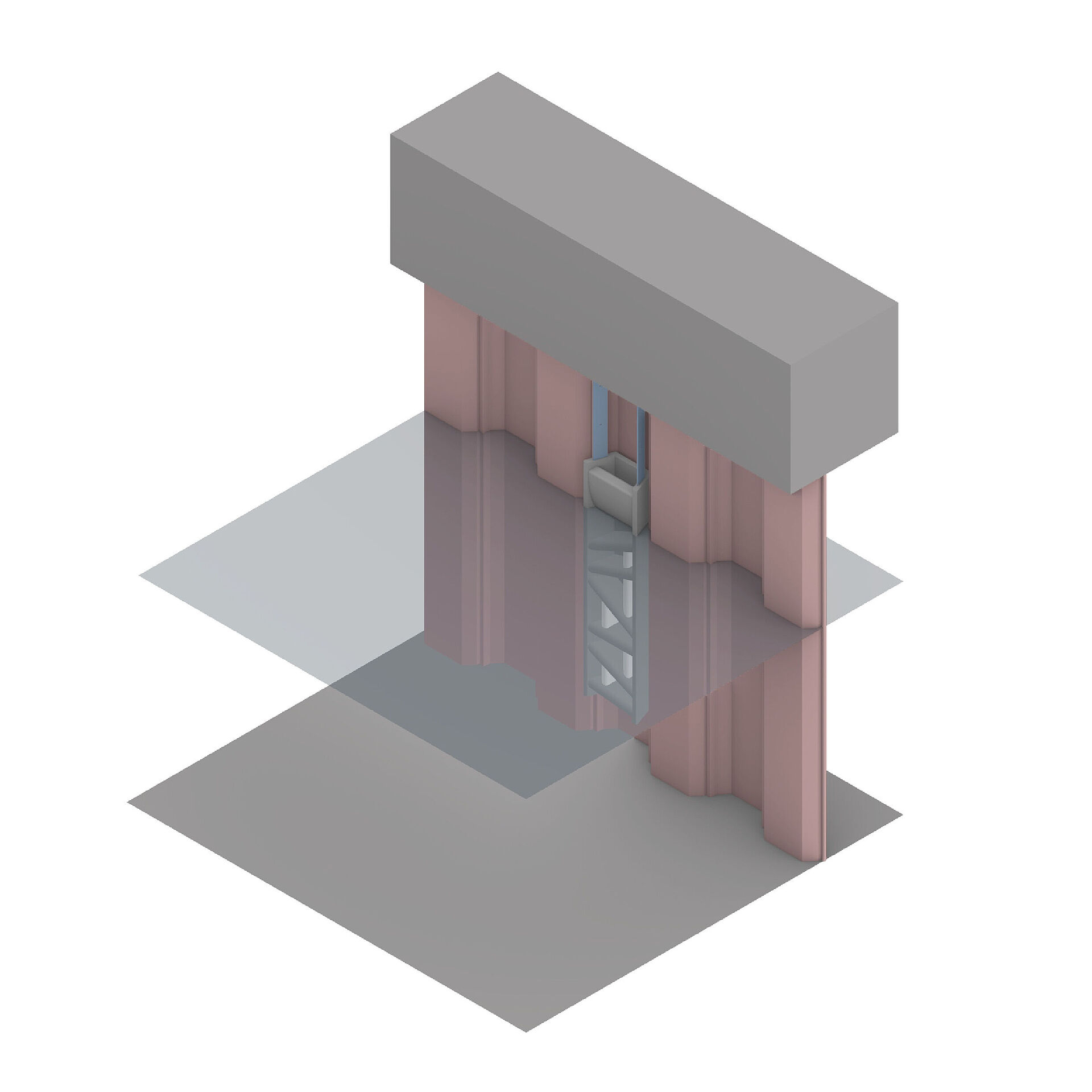
Many urban waterfronts are engineered for structural performance but offer limited ecological value. Smooth sheet pile walls, steep profiles, and a lack of bathymetric variation are characteristic features. While effective for vertical bank stabilisation, these structures provide little biological function. The dynamic transitional zone between land and water — with its microhabitats, refugia, and structured colonisation surfaces — is largely absent.
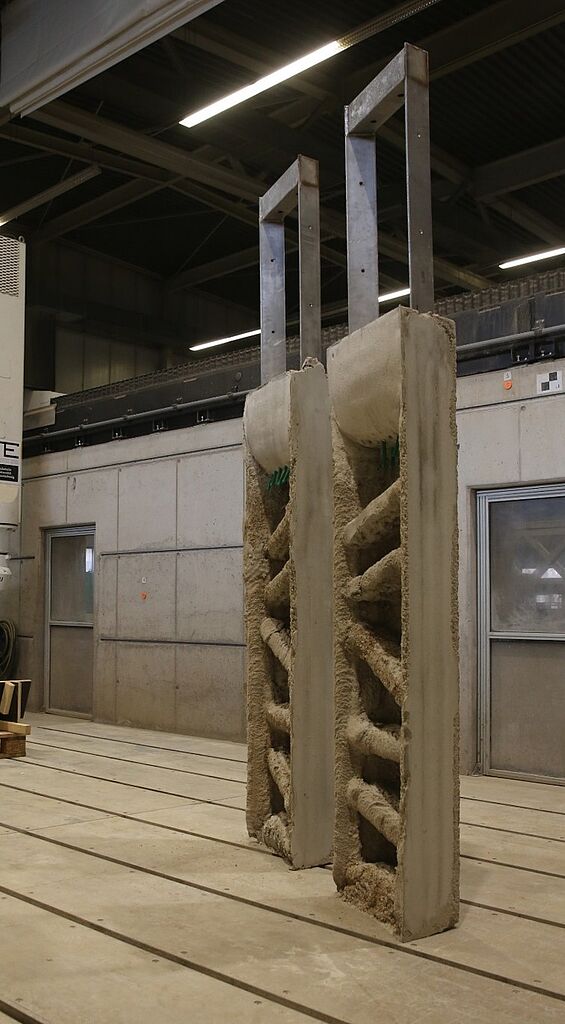
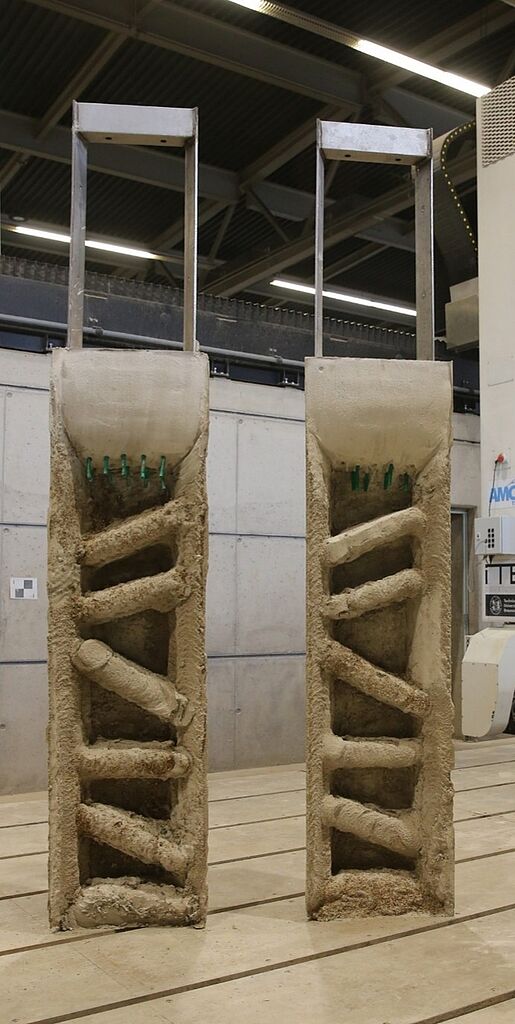
This is exactly where the SpundwandQuartier (Sheet Pile Habitat) comes in: it retrofits existing sheet pile walls with functional, 3D-printed habitat structures, transforming homogeneous hard substrates into ecologically active surfaces — without significantly affecting the underlying load-bearing infrastructure.
Rather than treating engineered revetments as ecological barriers, the SpundwandQuartier recognises them as an underutilised resource. It bridges the gap between civil engineering and ecosystem development — modular, compatible, and scientifically monitored.
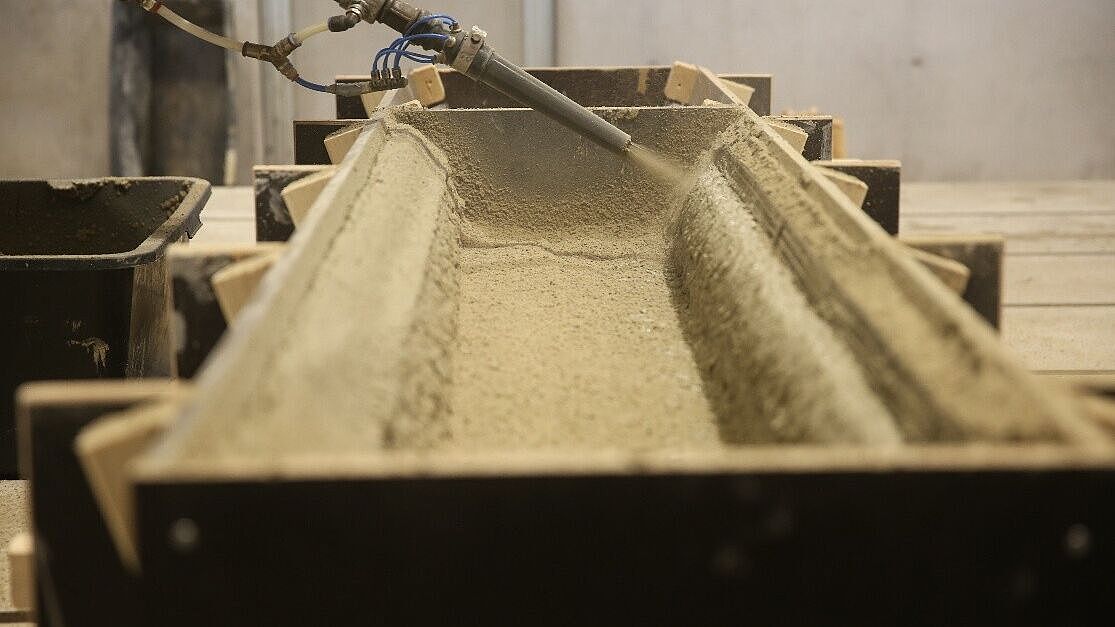
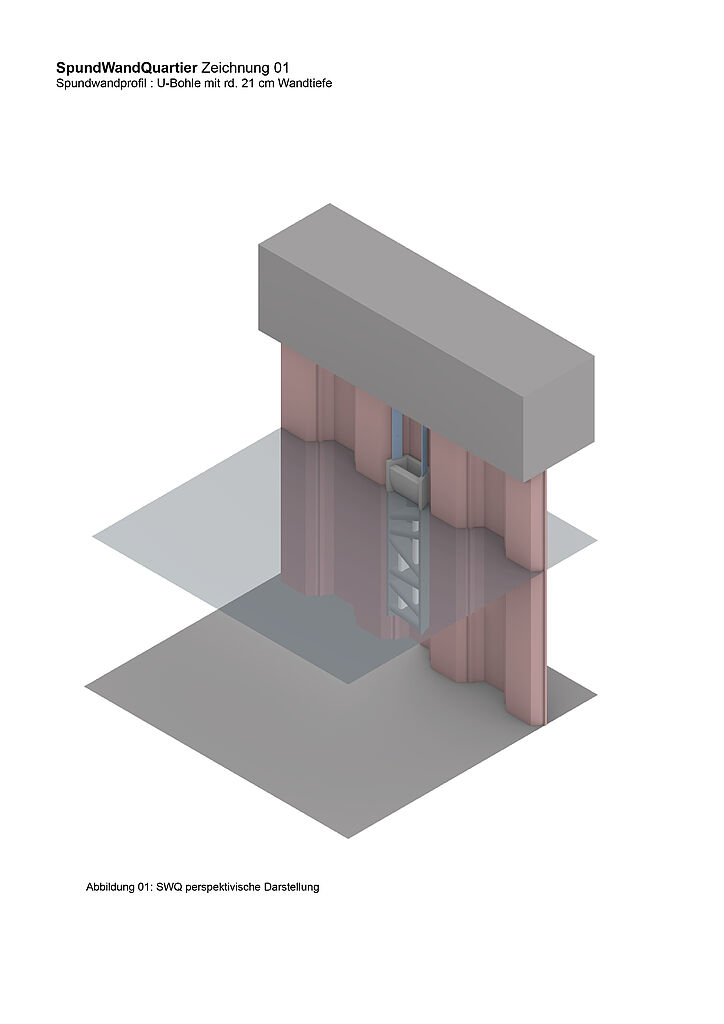
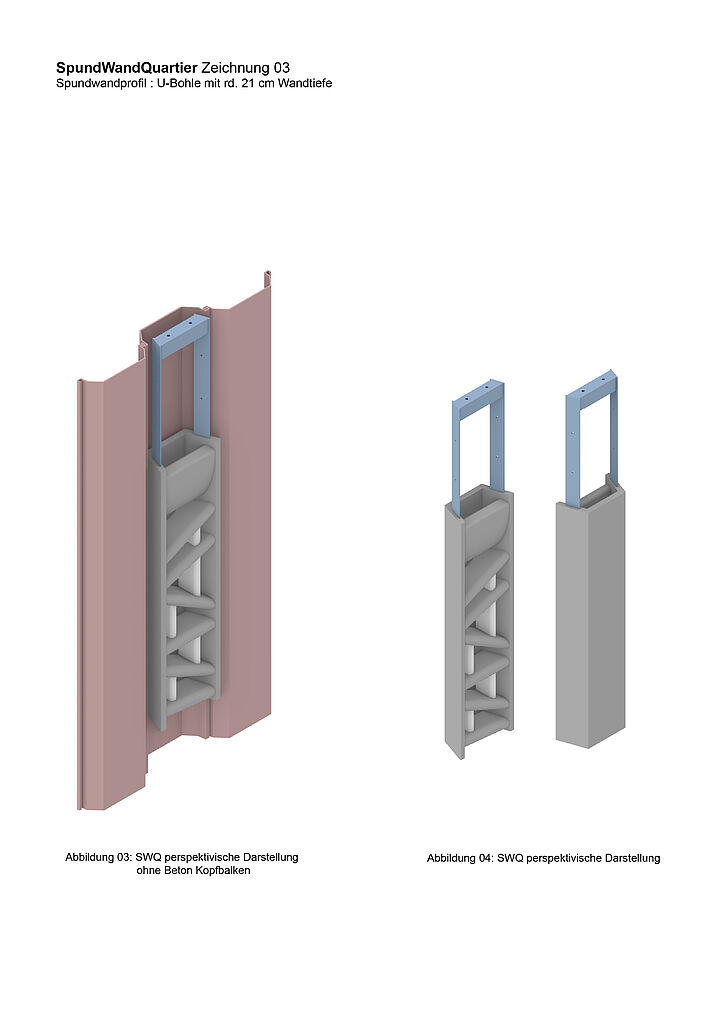
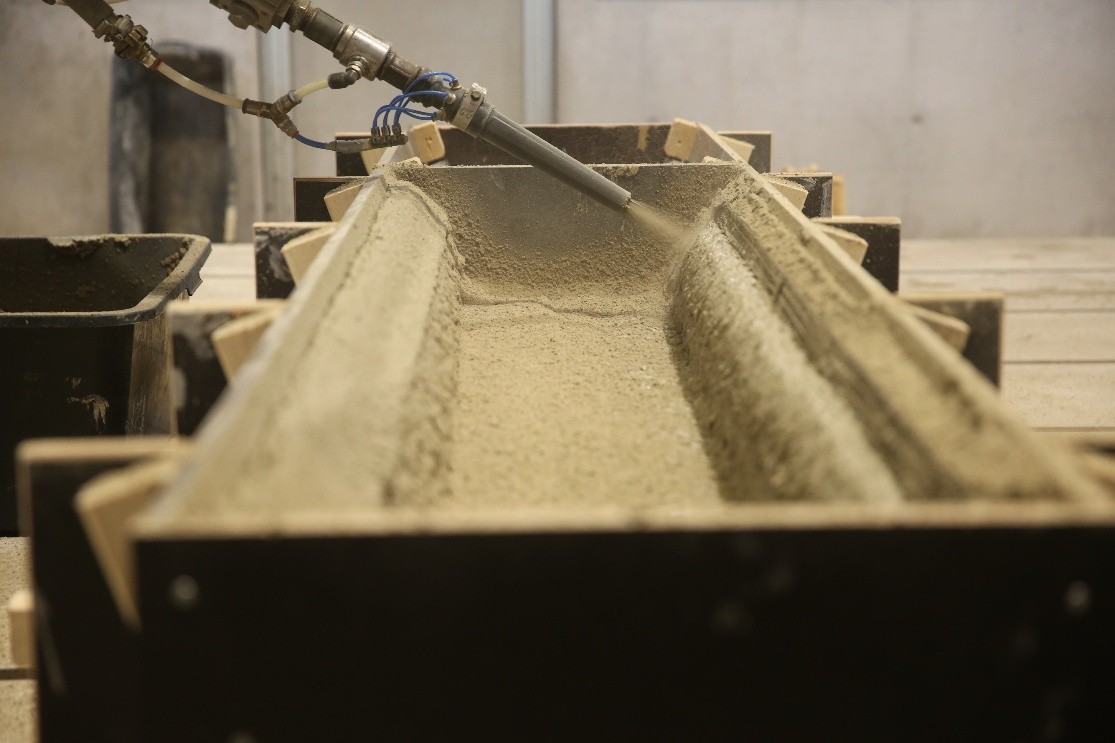
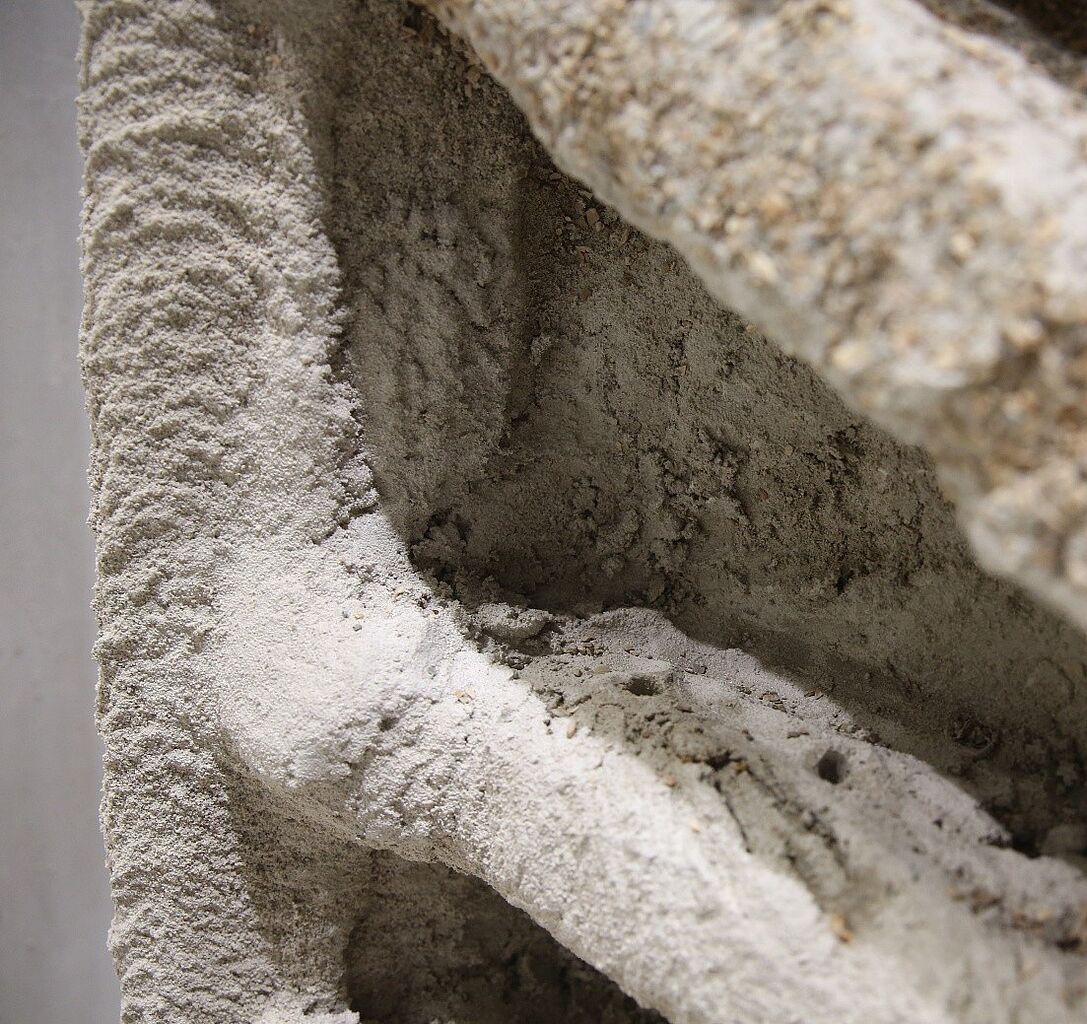
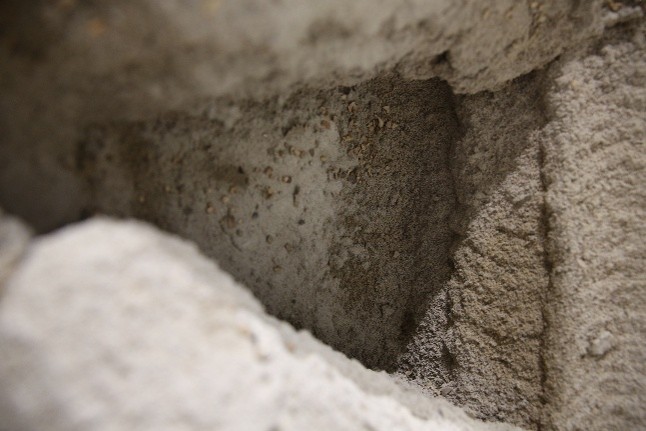
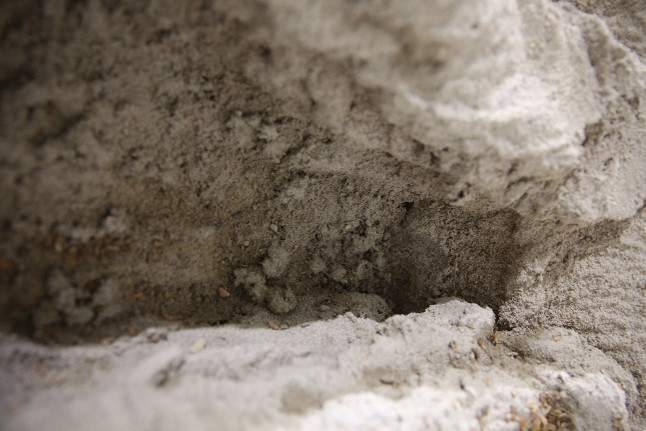
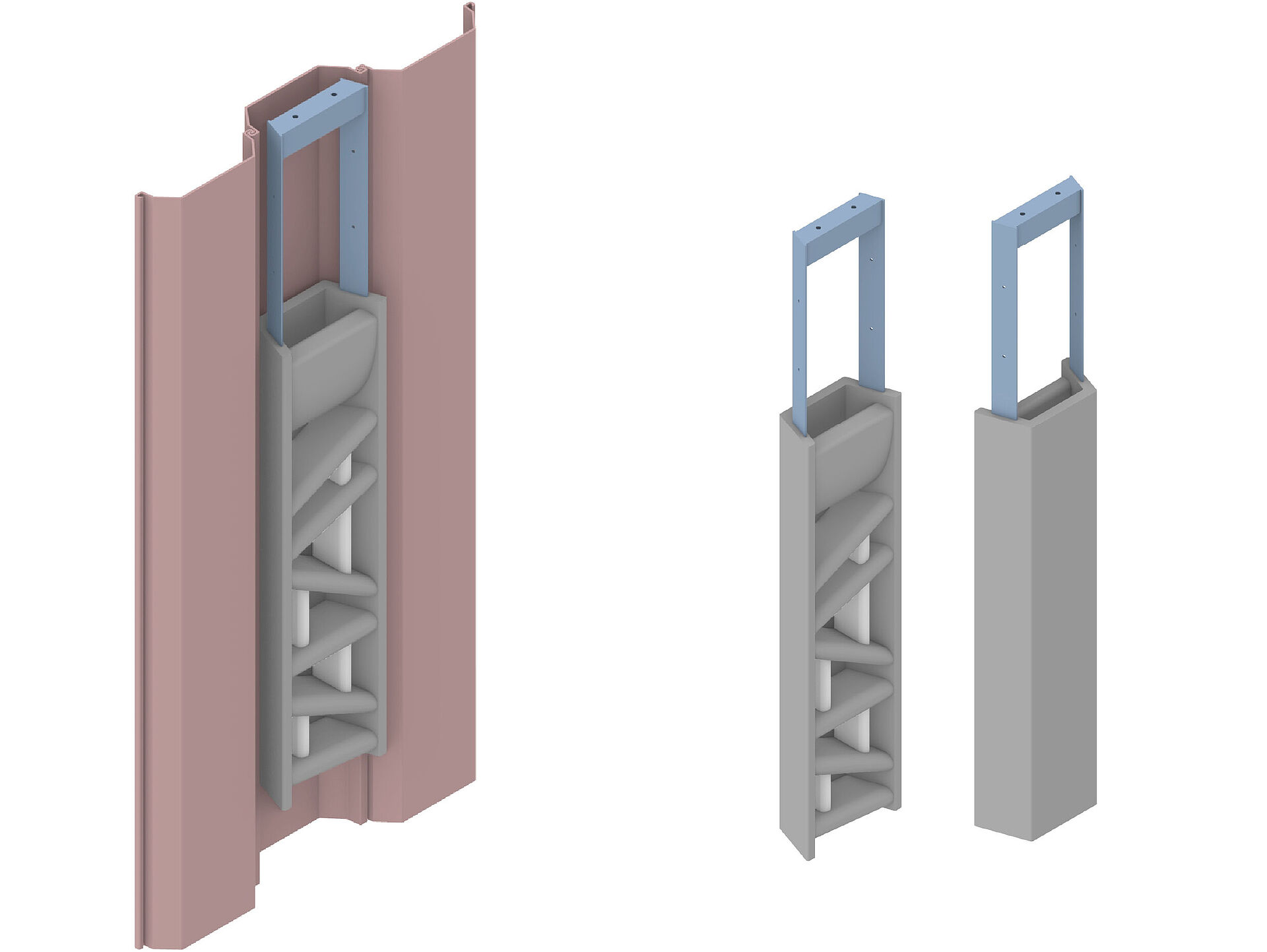
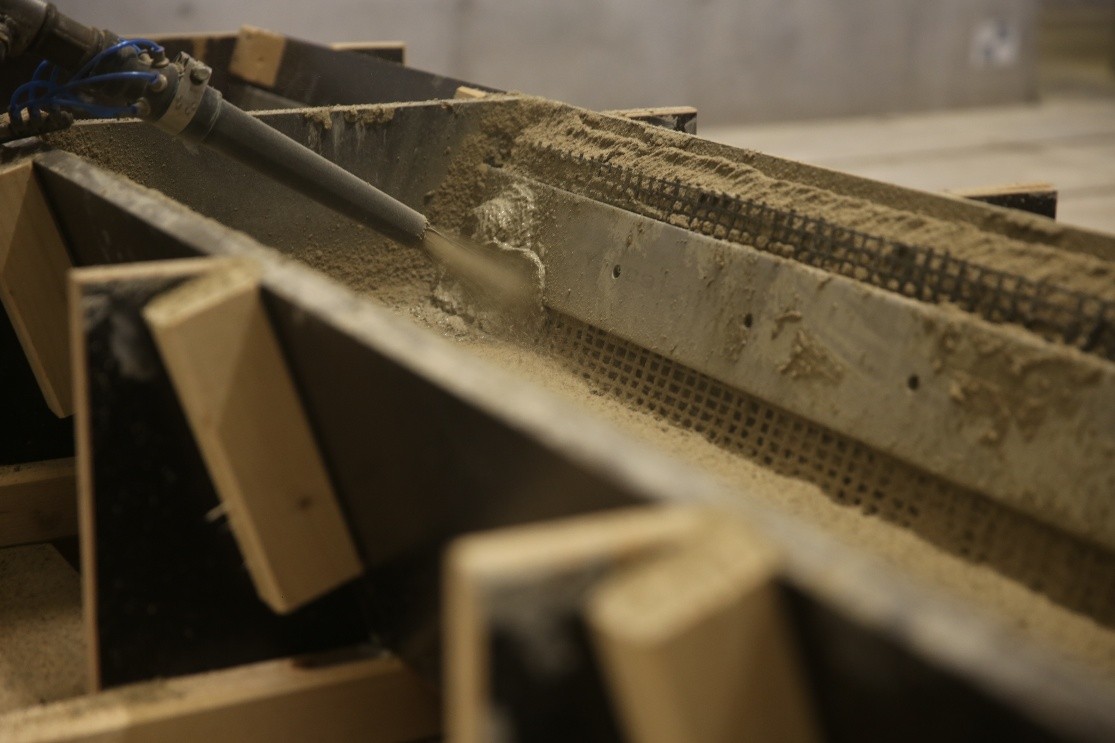
The modules are manufactured using Shotcrete 3D Printing (SC3DP), an additive manufacturing process using a specially formulated concrete mix, and suspended into the corrugated recesses of existing sheet pile walls. The structural integrity of the existing construction remains largely unaffected. The result is a technically compatible solution that integrates into existing port and water infrastructure — and is considerably easier to permit than full structural modifications.
The modular system allows for incremental ecological enhancement through site-specific design — scalable and economically viable.
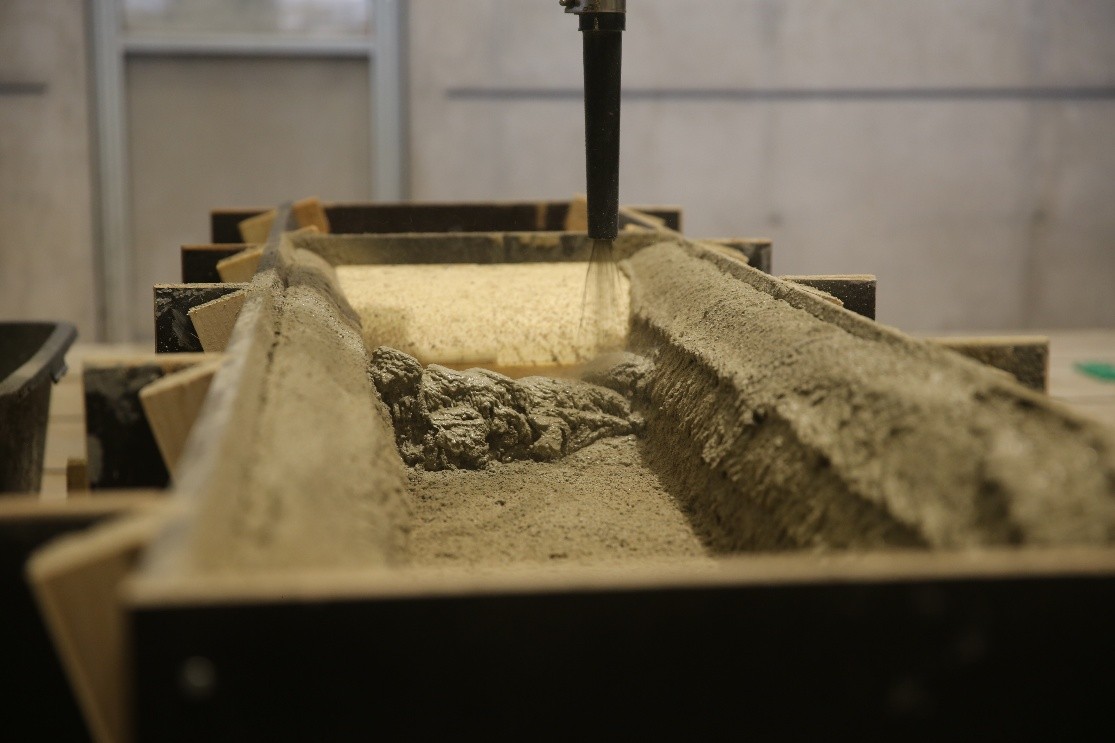
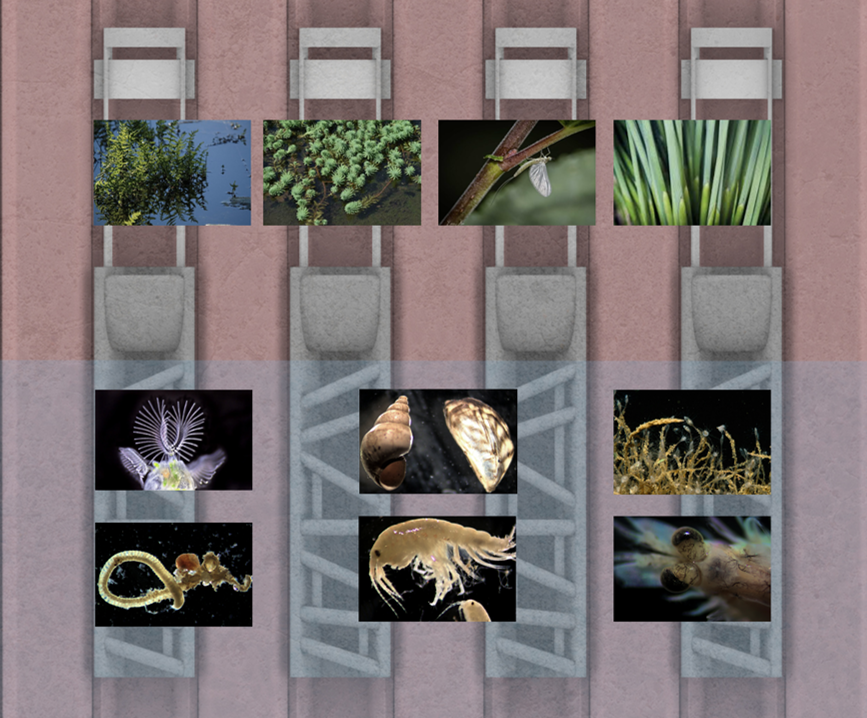
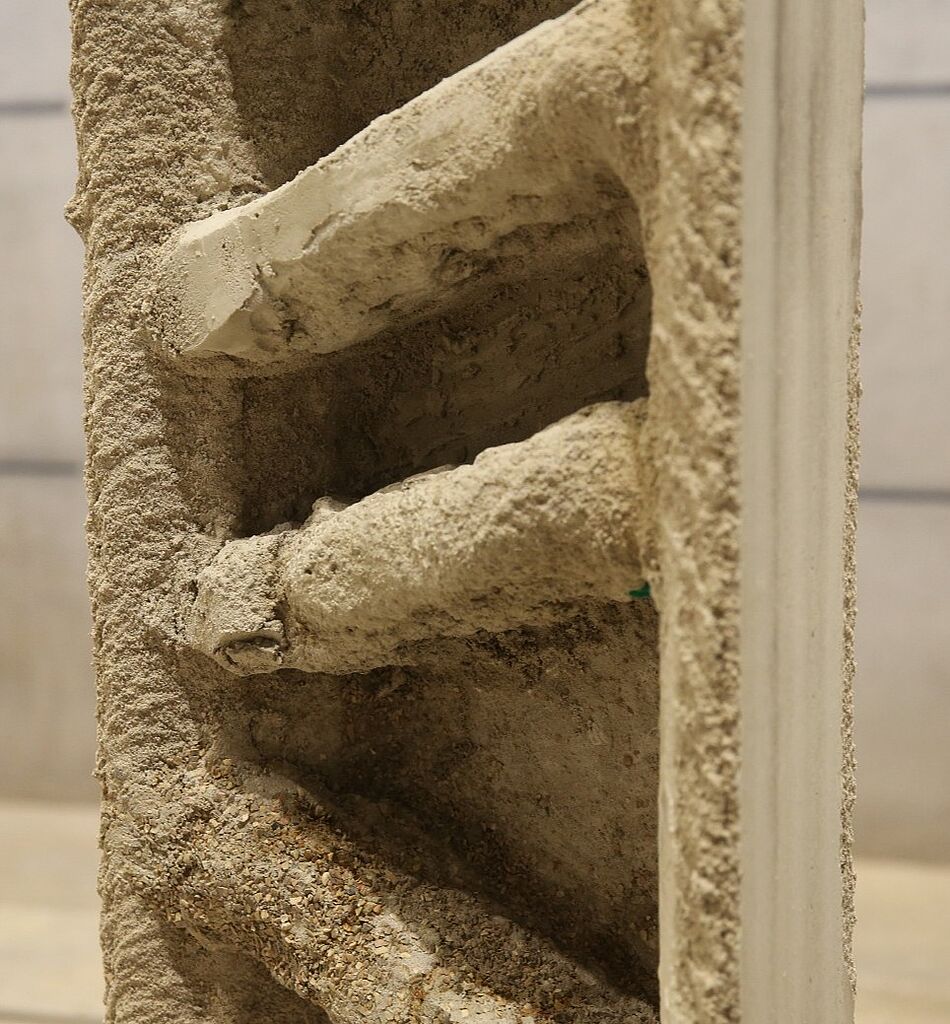
Below the waterline, the Blue Module introduces a fine-scale shelf structure with variably angled surfaces. This generates differentiated surface conditions, flow regimes, and light gradients that can be tailored to target organism groups.
Early trials and comparable studies on structured hard substrates indicate that biofilms begin to form on surfaces within a short timeframe. Subsequent colonisation by algae and microorganisms can be expected within days; over longer timescales, larger invertebrates such as crustaceans and molluscs may also establish themselves.
Whether stable benthic communities develop from this succession — and which ecological functions are achieved, such as filtration capacity or localised improvements in light penetration and dissolved oxygen levels — remains the subject of ongoing scientific investigation.
Above the waterline, the Green Module extends the ecological benefit into the land-water interface. It provides substrate and spatial conditions for flood-tolerant marsh and riparian plant species, supporting connectivity between aquatic and terrestrial habitats. Beyond its ecological function, the module also produces a visibly enhanced waterfront, improving public acceptance and adding amenity value for the local community.
By functionally enhancing existing hard substrates, the SpundwandQuartier supports the objectives of the EU Water Framework Directive to improve the ecological status of surface water bodies, while also contributing to the implementation of the EU Biodiversity Strategy in urban environments.
The first prototype of the SpundwandQuartier was developed as part of the "Future Urban Coastlines" project, with manufacturing and funding provided by the Technical University of Braunschweig. In collaboration with the Stiftung Lebensraum Elbe (Elbe Habitat Foundation), deployment in Hamburg's waterways — including the River Bille — is being coordinated and scientifically monitored.
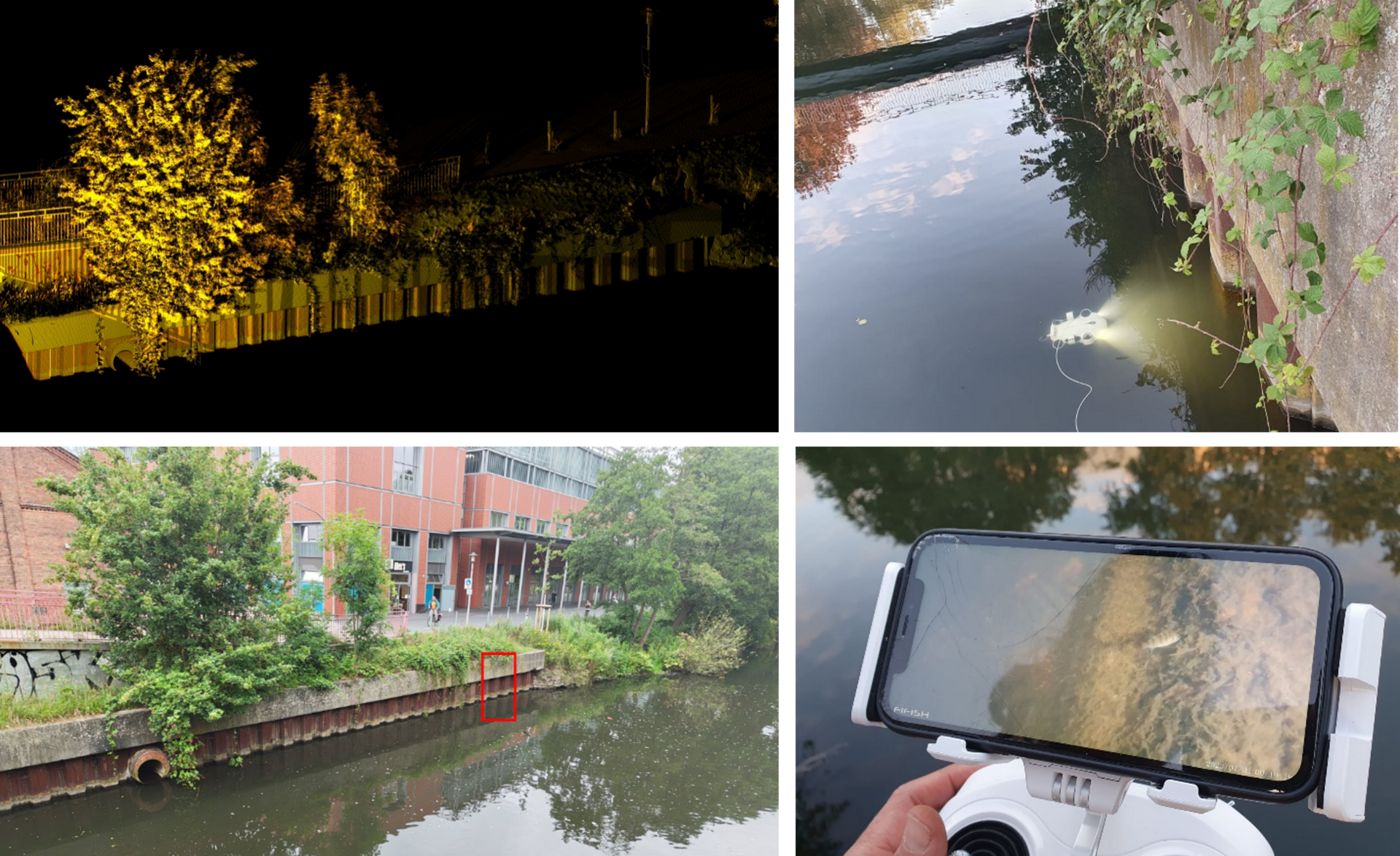
What begins as a controlled colonisation experiment for flora and fauna on 3D-printed concrete hard substrate is intended to lay the groundwork for a transferable model for the ecological retrofitting of urban waterways. The aim is to systematically document the development of biofilms, invertebrates, macrophytes, and other organism groups, and to derive evidence-based insights into the application of structured artificial substrates in urban aquatic contexts.