
The purification of a pharmaceutical product is the most important, but also the most complex and expensive step in biotechnological production. A high degree of purity prevents unwanted side reactions, such as dangerous immune system reactions. The purification process must be precisely tailored to the properties of the bioproducts, resulting in a combination of various basic process operations.
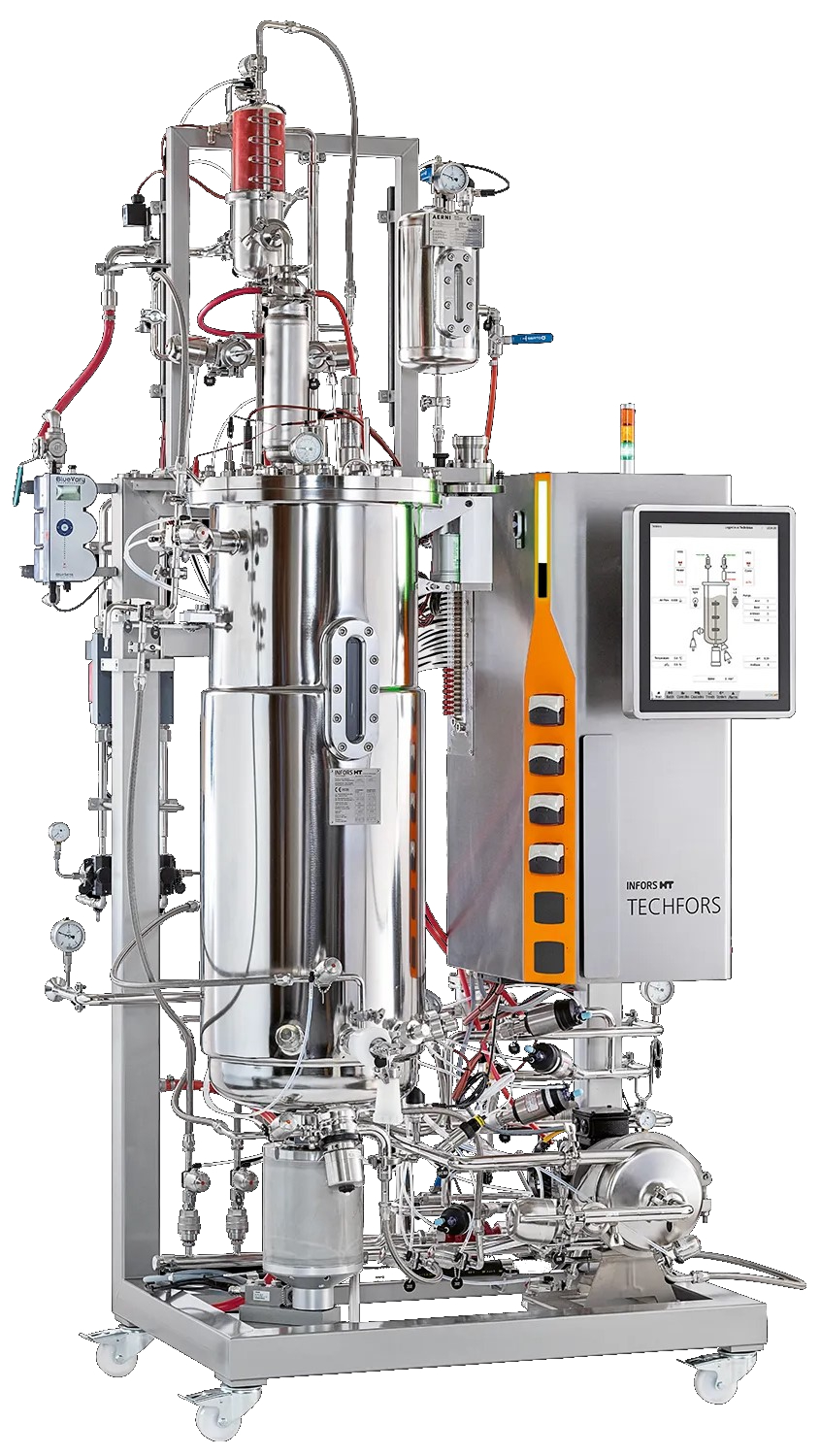
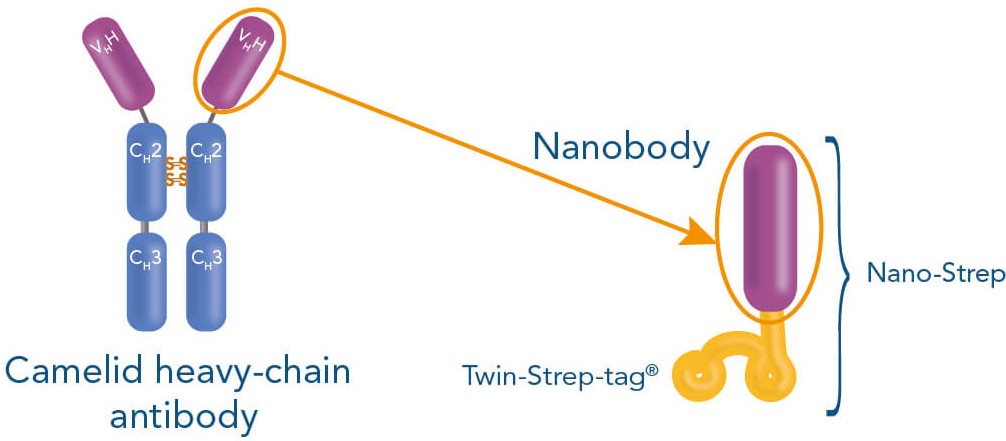
Each purification step results in a loss of product. From an economic standpoint, therefore, reducing the number of steps is desirable. This project aims to further develop a new method that significantly reduces the effort required for purification and the number of purification steps. In this part of the project, the fed-batch process for high-density E. coli cultivation (HDC) will first be optimized to achieve a higher concentration of the target protein, a fragment of an antibody (known as a nanobody). This biotechnological process is to be scaled up from the laboratory scale (lab-scale) to the 100-liter bioreactor scale (pilot scale).
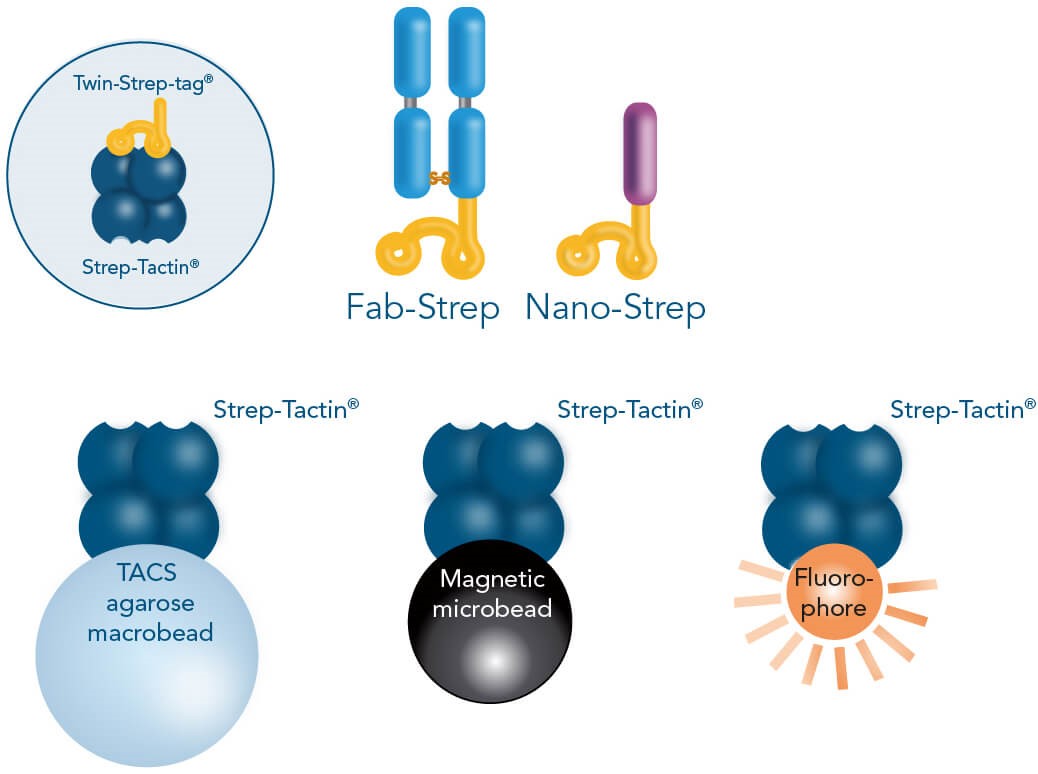
A novel downstream process is being developed for the nanobodies produced. Following cell lysis and solid-liquid separation, the product is specifically bound to iron-containing nanoparticles (so-called SPIONs) and separated using a custom-developed magnetic separation unit in a bypass system. This is intended to enable complete purification in just a few steps, which would help reduce the effort and costs associated with purification.