
| Degree | Bachelor of Science |
|---|---|
| Standard duration of study | 6 semesters |
| Language of instruction | German |
| Start of programme | winter semester |
| Admission | free admission (pre-study internship) |
Batteries and hydrogen have the potential to make a significant contribution to combating climate change. Batteries are already being used in a variety of sectors, ranging from mobile devices such as mobile phones and electric vehicles to large stationary storage systems. Each of these applications requires specific properties from the batteries, and it is the task of engineers to develop and optimise these energy storage systems in a targeted manner.
Hydrogen can not only generate electricity directly via a fuel cell, but can also be used for heat generation or burned directly in specialised engines. Furthermore, numerous processes in the chemical industry that currently rely on fossil raw materials such as crude oil or natural gas can be converted to use hydrogen. In this way, hydrogen can become an integral part of the everyday products in our lives.
As part of the Bachelor’s degree programme in Battery and Hydrogen Technology, you will become familiar with the manufacturing processes and applications of these forward-looking technologies, enabling you to make a significant contribution to the success of the energy transition.
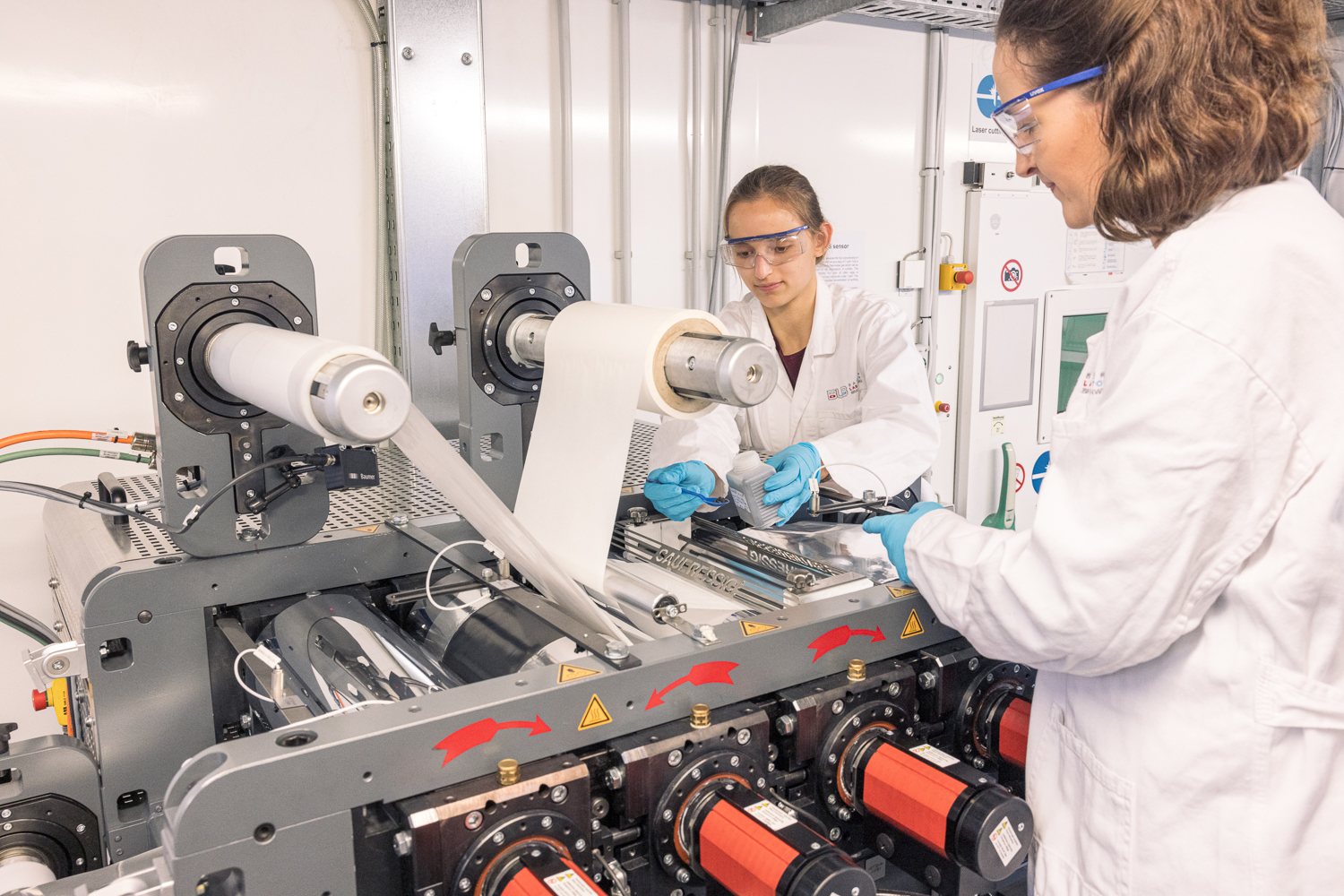
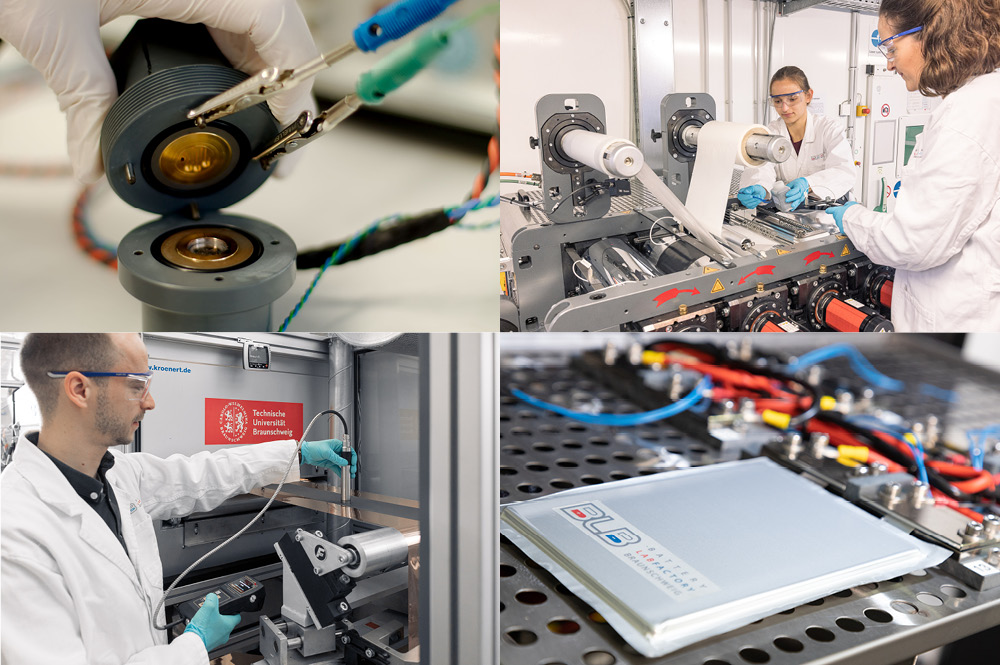
TU Braunschweig is located in one of Europe’s most research-intensive regions and works closely with various research institutions that enable research of the highest standard. Through centres such as the Battery LabFactory Braunschweig, we are leaders in battery research. The H2 terminal at the research airport is also creating a unique infrastructure for hydrogen technology.
Close collaboration with other TU research centres, such as the Lower Saxony Research Centre for Automotive Engineering (NFF), the Lower Saxony Research Centre for Aviation (NFL) and the Centre for Pharmaceutical Process Engineering (PVZ), supports practice-oriented teaching and creates opportunities for various industry contacts even whilst you are still studying.
Unlike the other Bachelor’s degree programmes in the Faculty of Mechanical Engineering, this programme focuses specifically on sustainable technologies in the battery and hydrogen sectors. This gives you a deeper understanding of the specific requirements and challenges of this industry. As an engineer, you will be in a position to actively contribute to shaping the energy transition.
At TU Braunschweig, you can also get involved in professional and interdisciplinary activities outside of lectures. Join one of the many student initiatives – for example, the Lions Racing Team, to compete in races on circuits with Formula Student racing cars. Or you can build experimental rockets as part of the ERIG initiative and engage in experiments in space. Perhaps you’d like to spend a semester with someone who has professional experience in business or science? Then take part in our successful Mentor.ING programme. And if you’d like to take a break and concentrate on your own studies in peace, the Masch.Bau student centre is at your disposal with its study rooms.
In order to apply for the Bachelor’s degree programme in Battery and Hydrogen Technology, you need a university entrance qualification. This is usually the German Abitur, but there are also other qualifications with which you can begin your studies at TU Braunschweig.
More information on the admission requirements for German applicants [in German only]
International students usually need to have a school-leaving qualification with which they could also study in their home country. This means you must have
completed secondary school
passed the university entrance exam (if this examination exists in your home country).
In some cases, you must have already studied at a recognised university in your home country or have previously attended the Studienkolleg in Germany.
More information on the admission requirements for international applicants
Before beginning your studies, you must complete an eight-week internship in a company, in which you learn basic craft skills and practical engineering activities. You must write an internship report in the form of a weekly overview, which you submit to the SERVICEteam of the Faculty of Mechanical Engineering (online) after the start of your studies in order to have the internship recognised. You can find detailed information on how to carry out and have the internship recognised here: