
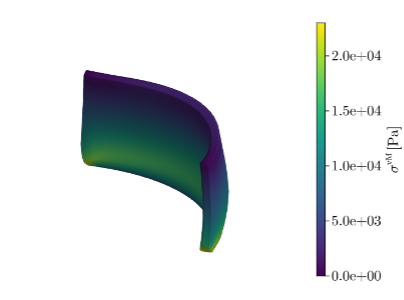
As part of TRR277, this project focuses on developing material models and simulation tools to predict the printability of concrete in 3D printing for construction. The work combines the characterization of the concrete's rheological properties, workability, and time-dependent behavior with the development of computational frameworks for simulating the printing process. By bridging experimental material testing with numerical modeling, the project investigates the influence of material composition and printing parameters on structural stability during printing, linking material behavior to printing outcomes in additive manufacturing for construction.
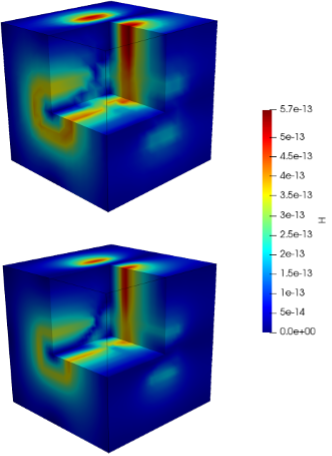
The prediction of transport properties is important in different fields. For example, the reduction of crack width in self-healing concrete reduces the permeability of the fluid and the diffusivity of ions. In water electrolysis cells, the proton exchange membrane is significantly deformed during assembly, which alters the fluid permeability and electric conductivity of the material. In root-soil systems, a high permeability of water is required to ensure the supply for plants.
The aim of this project is to perform material modeling and simulation of these phenomena. For that purpose, multiscale and multiphysics approaches are used. Computational homogenization can be achieved by applying different methods, for example FE² (finite element square method), FE-FFT (finite element - fast Fourier transform) or upscaling by sensitivities. This way, the characterization and quantification of the mentioned processes is feasible.
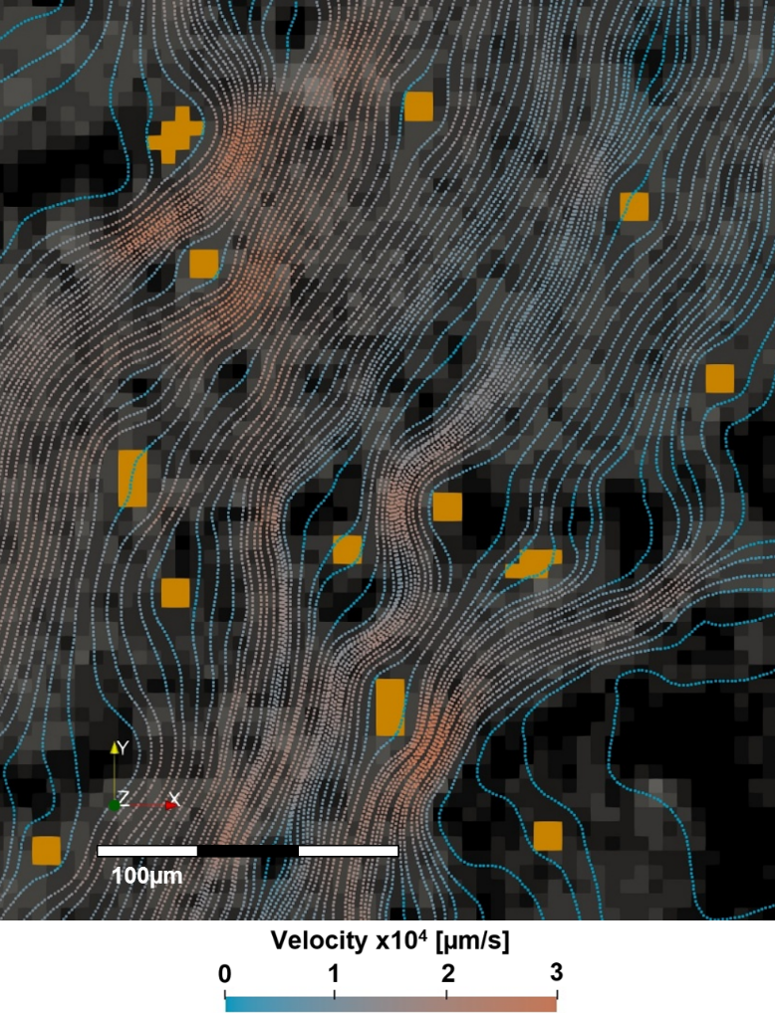
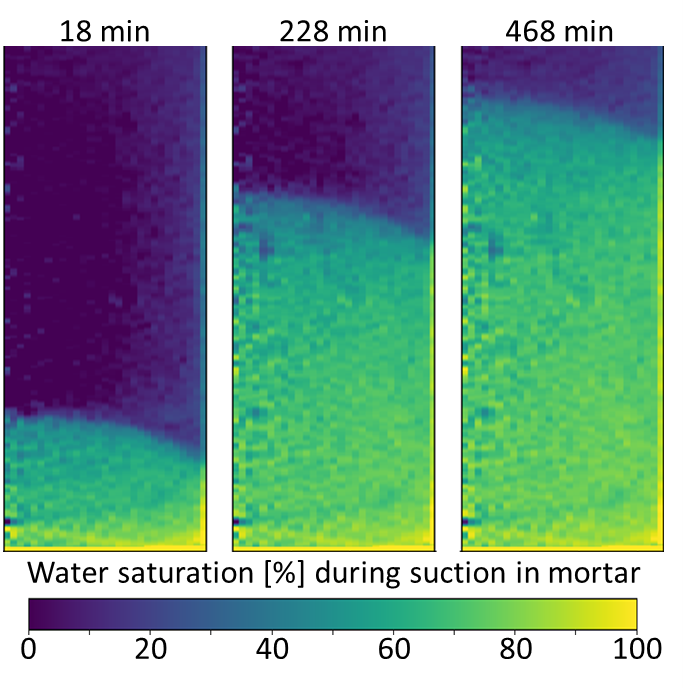
In some porous media, such as mortar, reactions take place between the fluid (e.g. water) and the matrix material (e.g. cement). When combined with partially saturated conditions, this leads to highly nonlinear seepage, which may strongly affect the transport of secondary species through the material. In the context of mortar, transport of chloride ions are of particular interest. In this project, we combine XRCT-imaging and numerical modeling to describe these complex phenomena.
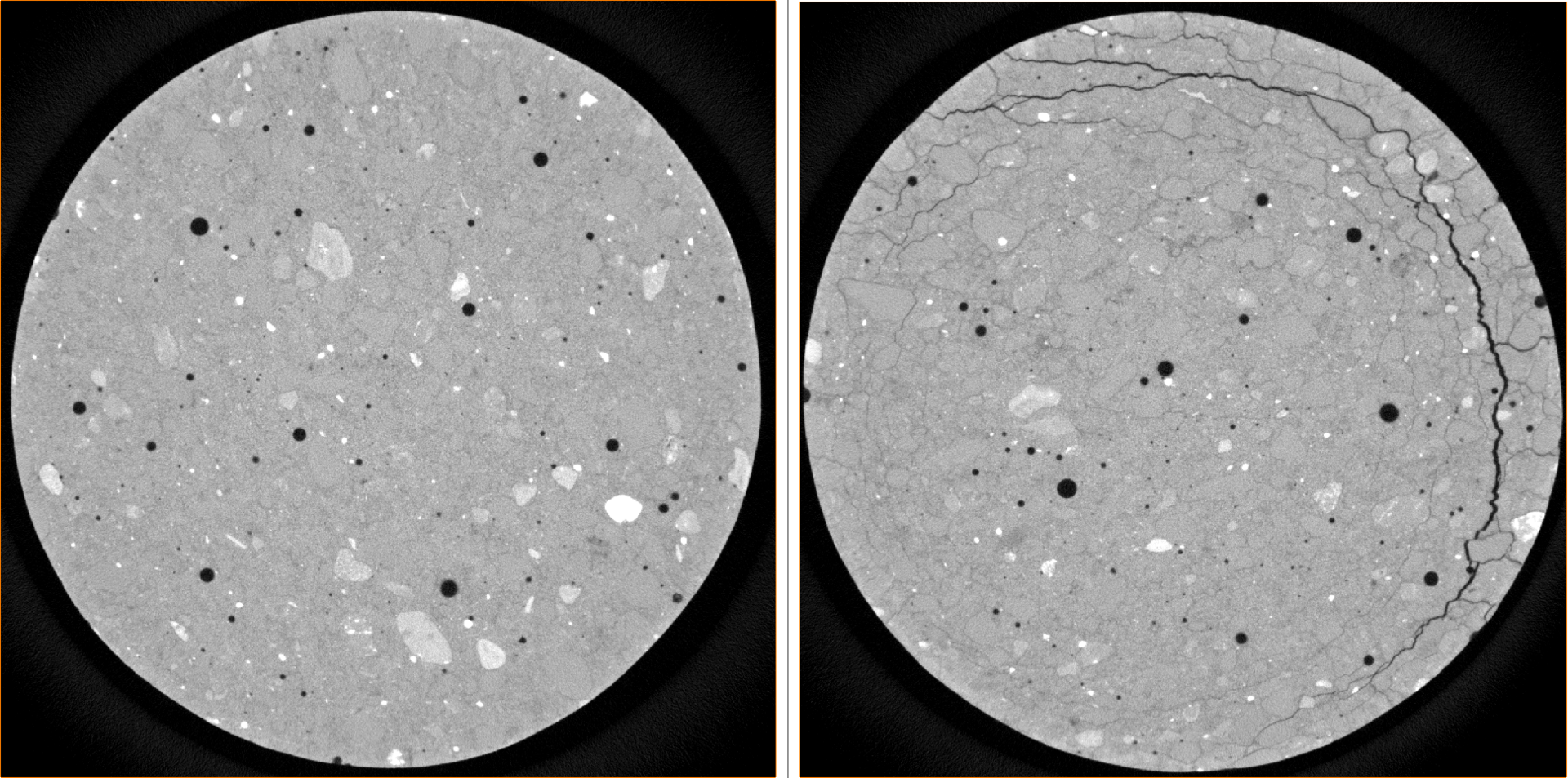
In cold climate, freeze-thaw cycles can lead to degredation of porous building materials, requiring costly maintenace and shortening the lifetime of structures. Combining X-ray CT with in-situ testing and numerical modeling helps to understand these processes and design more durable materials.

As part of TRR277, this project aims at providing a modelling and simulation approach across the scales starting from consistent material models for bulk deposited additively manufactured concrete and its interlayers towards a reduced substitute model for fast simulations of complex geometries on the part-scale.
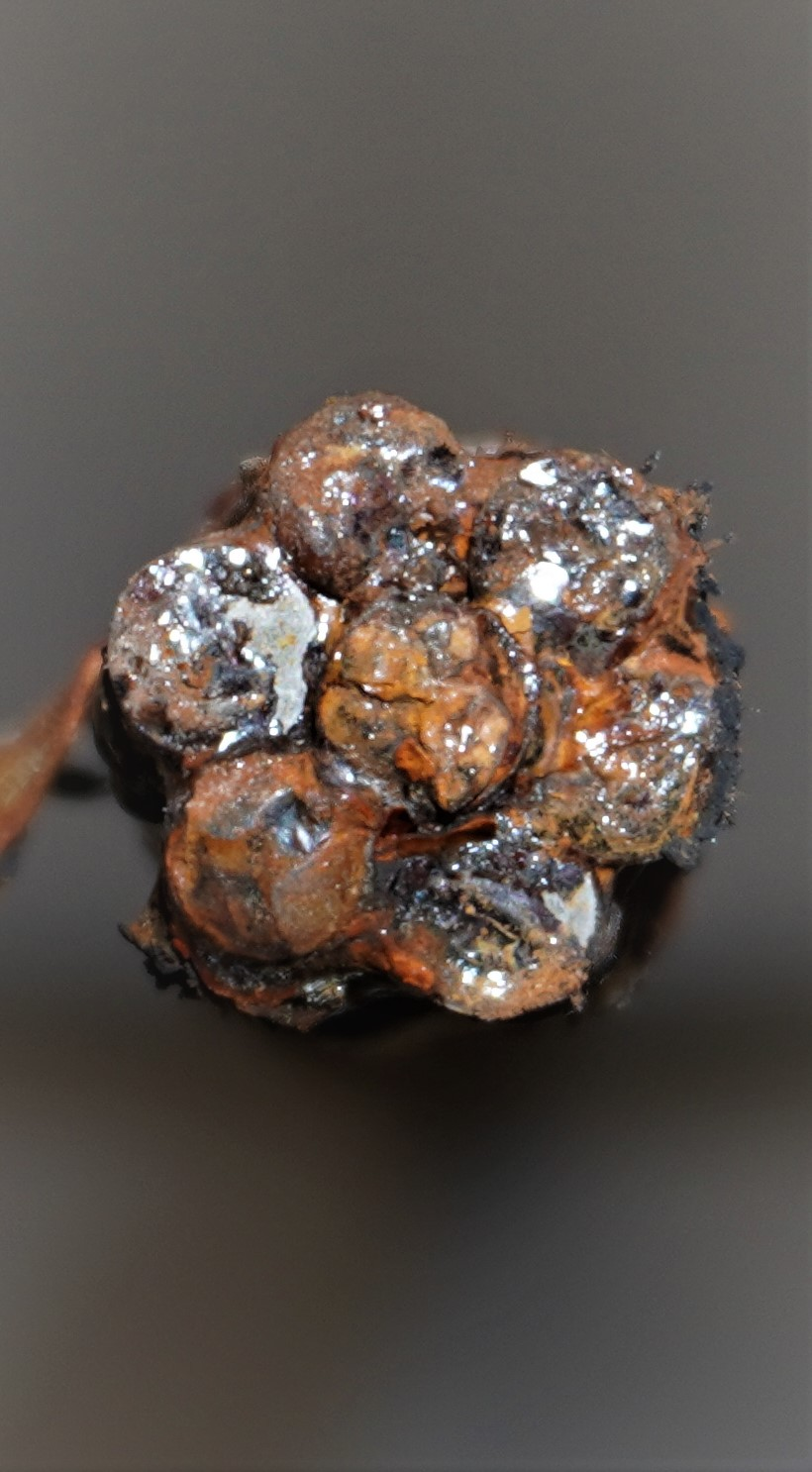
Prestressed bridges are particularly vulnerable to localized corrosion, which can lead to sudden and brittle failures. Therefore, research within the framework of the Research Training Group GRK 2075 (2022-2025) addressed this topic through a combined experimental–numerical approach. The influence of corrosion morphology on ductility, stress redistribution, and local deformation mechanisms in prestressed steel strands was investigated. Experimental routines together with COMSOL-based simulations demonstrated that not only material loss, but especially the position and geometry of corrosion pits can significantly affect the mechanical performance of prestressed systems. This research contributes to a deeper understanding of ageing mechanisms and structural reliability in critical infrastructure.
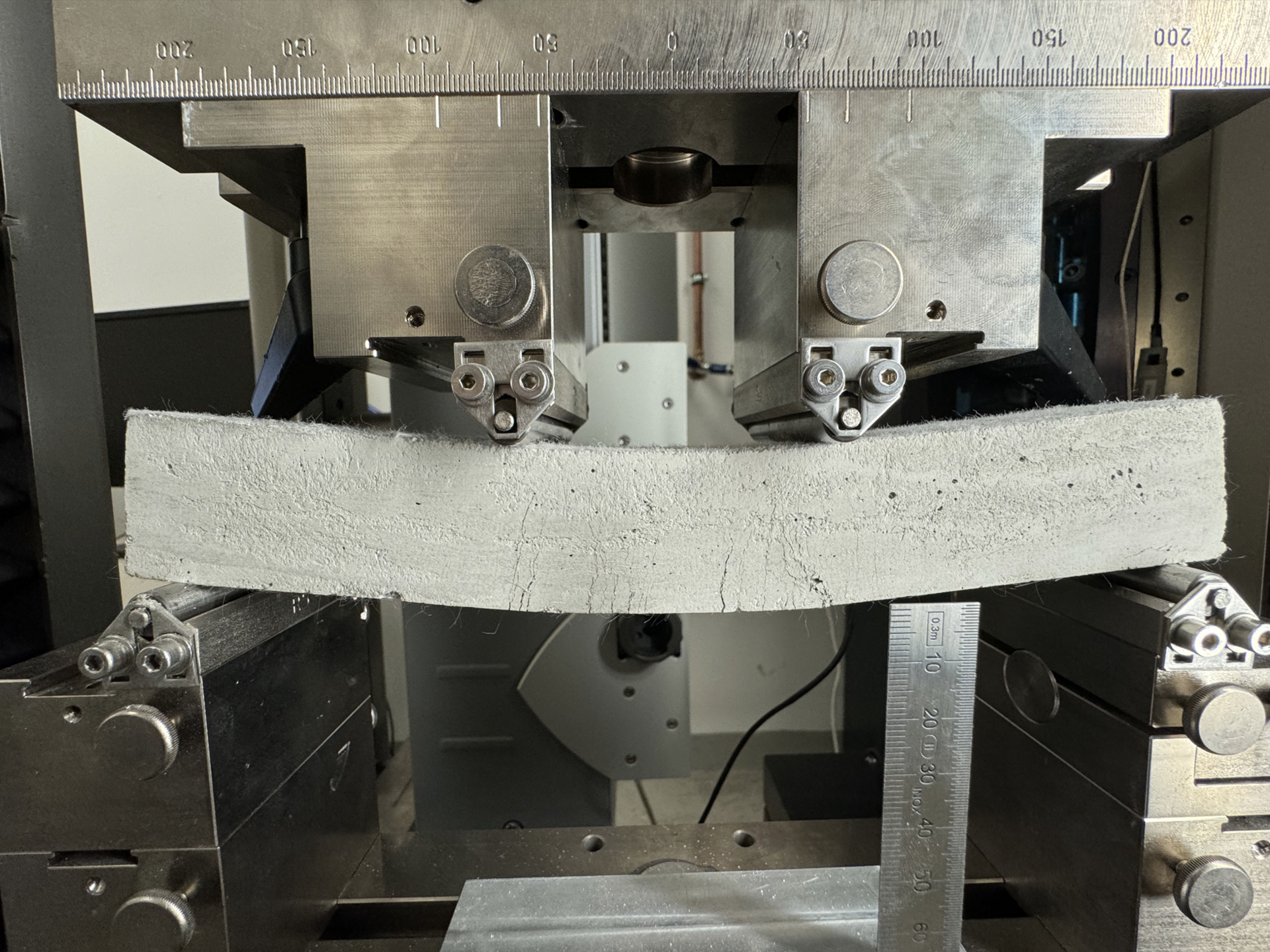
Engineered Cementitious Composites (ECC) are advanced cement-based materials characterized by high ductility, excellent crack control, self-healing and enhanced durability. Within a recently funded DFG project in cooperation with Federal University of Uberlandia (Brazil), modified ECC formulations are being developed using low-carbon binders such as LC3 and alternative fiber systems to reduce environmental impact and material costs. Combining experimental characterization, X-ray computed tomography, and numerical modelling, the research investigates the influence of crack geometry and transport mechanisms on long-term durability under realistic exposure conditions. As an output, a performance-based evaluation framework is being established to integrate tensile behavior, crack control, durability, and embodied carbon into a unified material assessment methodology for application-oriented repair design.
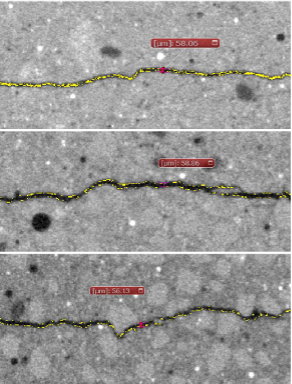
Another focus on this topic is the research on ECC ability to autonomously heal microcracks and significantly extend the service life of concrete structures. The goal is to understand the interaction between crack morphology, fiber bridging, and self-healing processes, and how these factors influence transport properties over time. Using high-resolution X-ray computed tomography (XRCT) combined with numerical modelling, realistic crack geometries are analyzed directly at the microscopic scale, enabling the evaluation of permeability and diffusion within evolving crack networks. By linking microstructural crack characteristics and healing mechanisms to macroscopic durability performance, this research contributes to the development of next-generation, low-carbon repair materials with enhanced service-life potential for both new and ageing infrastructure. International cooperation on this issue includes Federal University of Uberlandia from Brazil and Chalmers University of Technology from Sweden.
Complementing the technical research activities on materials, the SHE-BUILDS initiative integrates gender and social perspectives into cement engineering and infrastructure research. The project examines how durability, maintenance demands, and repair practices can disproportionately affect vulnerable groups, particularly women in low-income and female-headed households. By incorporating gender-sensitive evaluation criteria into material and infrastructure research, the initiative expands conventional approaches to sustainability and promotes more inclusive engineering practices.

Using high-resolution X-ray computed tomography (XRCT) combined with numerical modelling, realistic crack geometries are analyzed directly at the microscopic scale, enabling the evaluation of permeability and diffusion within evolving crack networks. By linking microstructural crack characteristics and healing mechanisms to macroscopic durability performance.
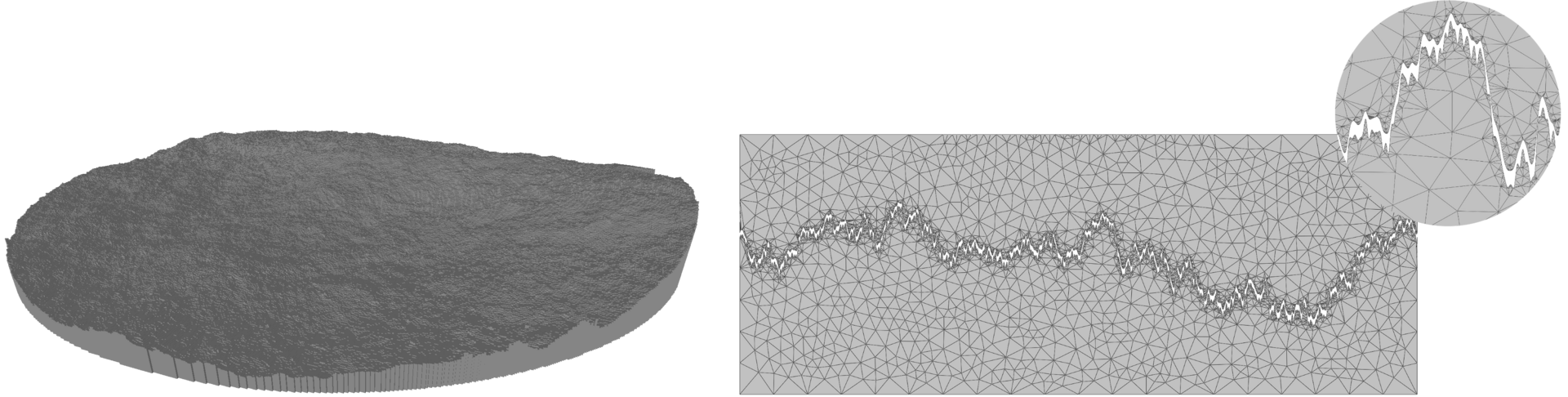
Contact compliance and hydraulic conductivity play an important role in hydraulic fracture. Experimental studies on fractured rocks provide valuable data but do not allow for the fracture surfaces to be prescribed, hence the link between fracture topology and mechanical properties remains unclear. By creating 3D printed replica of real and artificial fracture surfaces this relation can be explored with minimal effort. The experimental studies are complemented with finite element simulations to further understand the effect of the roughness statistics.

In this project novel numerical methods and a mulit-scale modelling framework are developped tailored for advancing the phase-field fracture model with applications in porous media. In the realm of the numerical methods, the focus lies on devising computationally efficient and robust monolithic solution techniques.
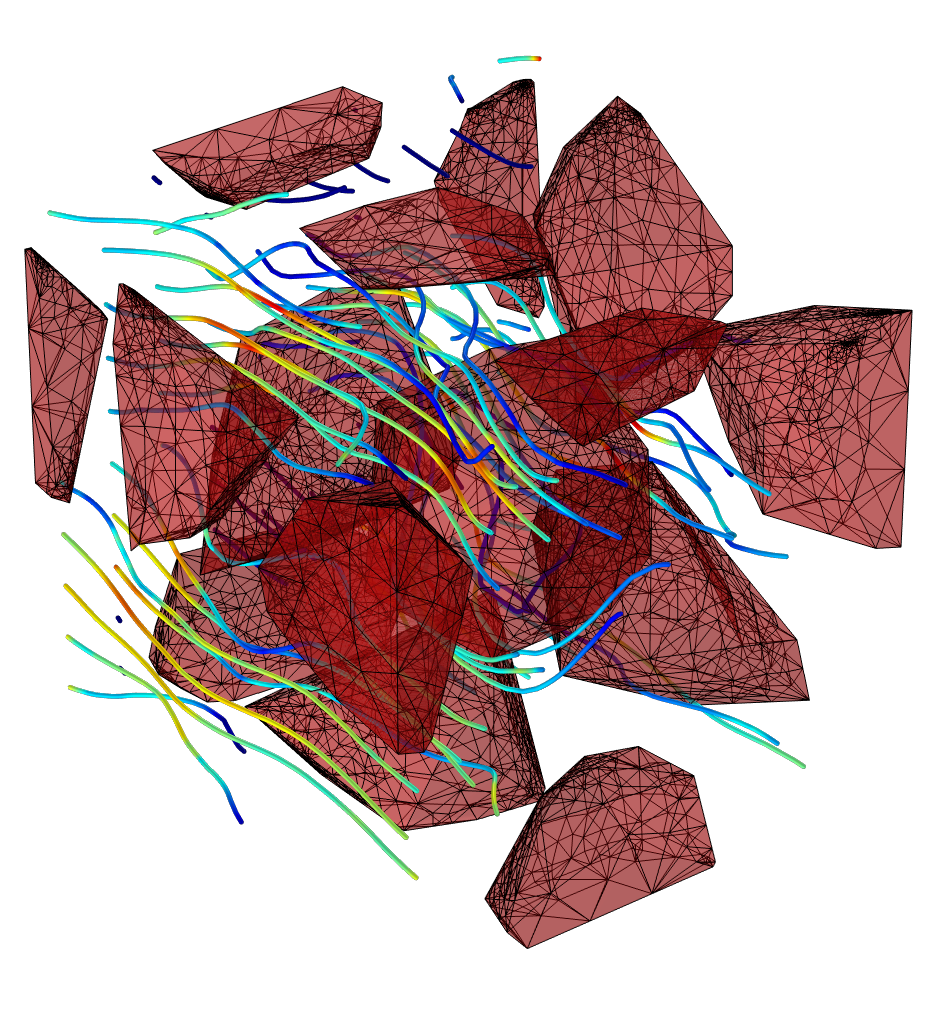
In electric vehicles, batteries are a critical component, but their additional mass comes at a cost. To address this, structural batteries are being developed. These innovative materials serve a dual purpose: they store energy and bear mechanical loads. By integrating this technology, existing vehicle components could potentially double as battery systems, reducing overall weight and improving efficiency.
Understanding the interplay between mechanical and electrochemical processes is essential for optimizing such systems. However, also for conventional batteries mechanical processes are of interested for predictions of aging mechanisms. To advance the development and practical application of batteries, simulations play a key role. In this project, we develop an electro-chemo-mechanical multi-scale model for a typical electrode material. This model aims to provide deeper insights and support the design of more efficient, durable batteries.

This research project aims to solve two key research questions
Can we utilize the expressiveness of neural networks inside constitutive models while enforcing fulfillment of physical laws, such as the laws of thermodynamics?
For the calibrated (or trained) models, can we discover interpretable analytical expressions that model the material more accurate than existing models?
To do this, we use data from both physical and numerical experiments. See Meyer and Ekre (2023) JMPS,180 p.105416 (doi: 10.1016/j.jmps.2023.105416) for further details.