
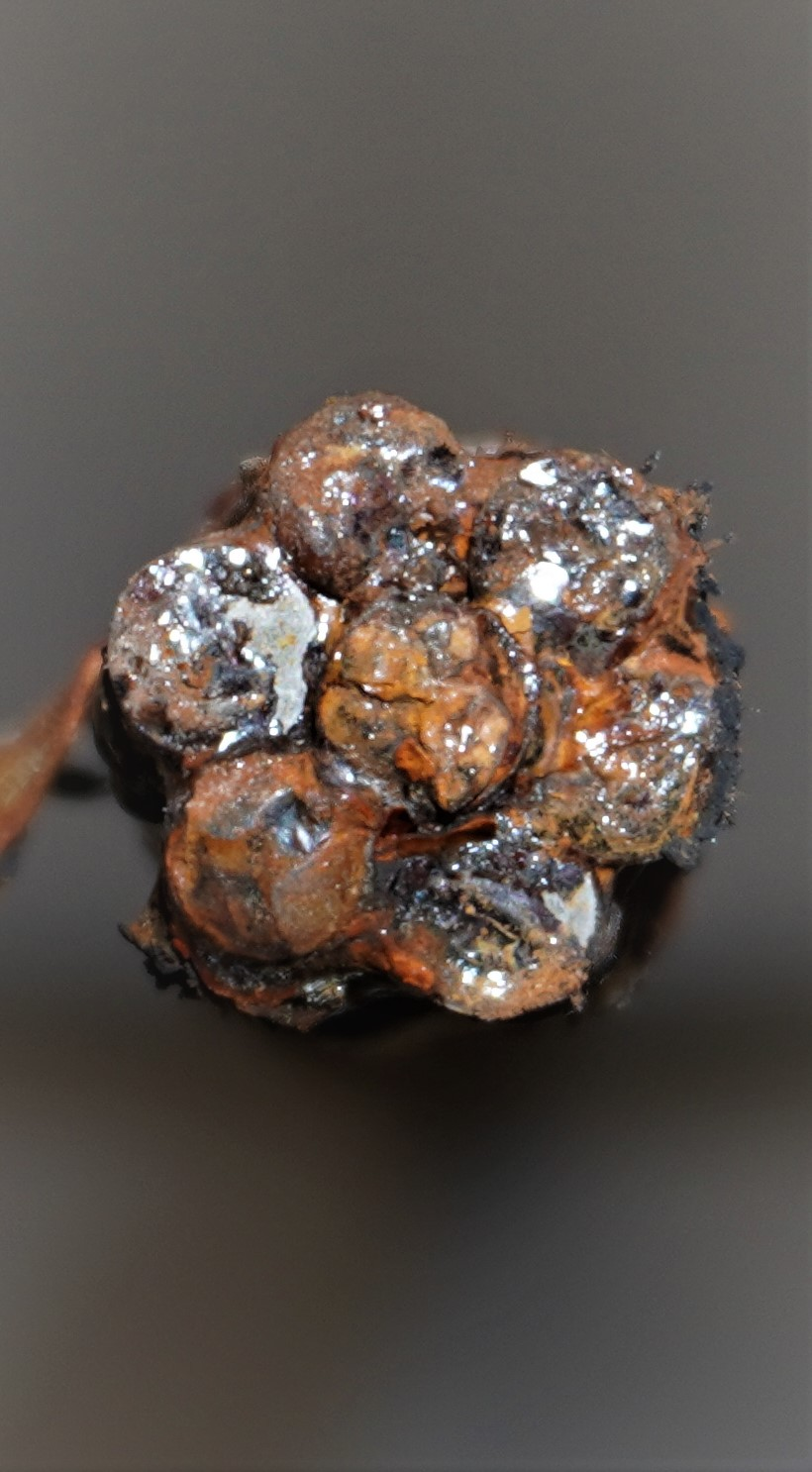
Prestressed bridges are particularly vulnerable to localized corrosion, which can lead to sudden and brittle failures. Therefore, research within the framework of the Research Training Group GRK 2075 (2022-2025) addressed this topic through a combined experimental–numerical approach. The influence of corrosion morphology on ductility, stress redistribution, and local deformation mechanisms in prestressed steel strands was investigated. Experimental routines together with COMSOL-based simulations demonstrated that not only material loss, but especially the position and geometry of corrosion pits can significantly affect the mechanical performance of prestressed systems. This research contributes to a deeper understanding of ageing mechanisms and structural reliability in critical infrastructure.
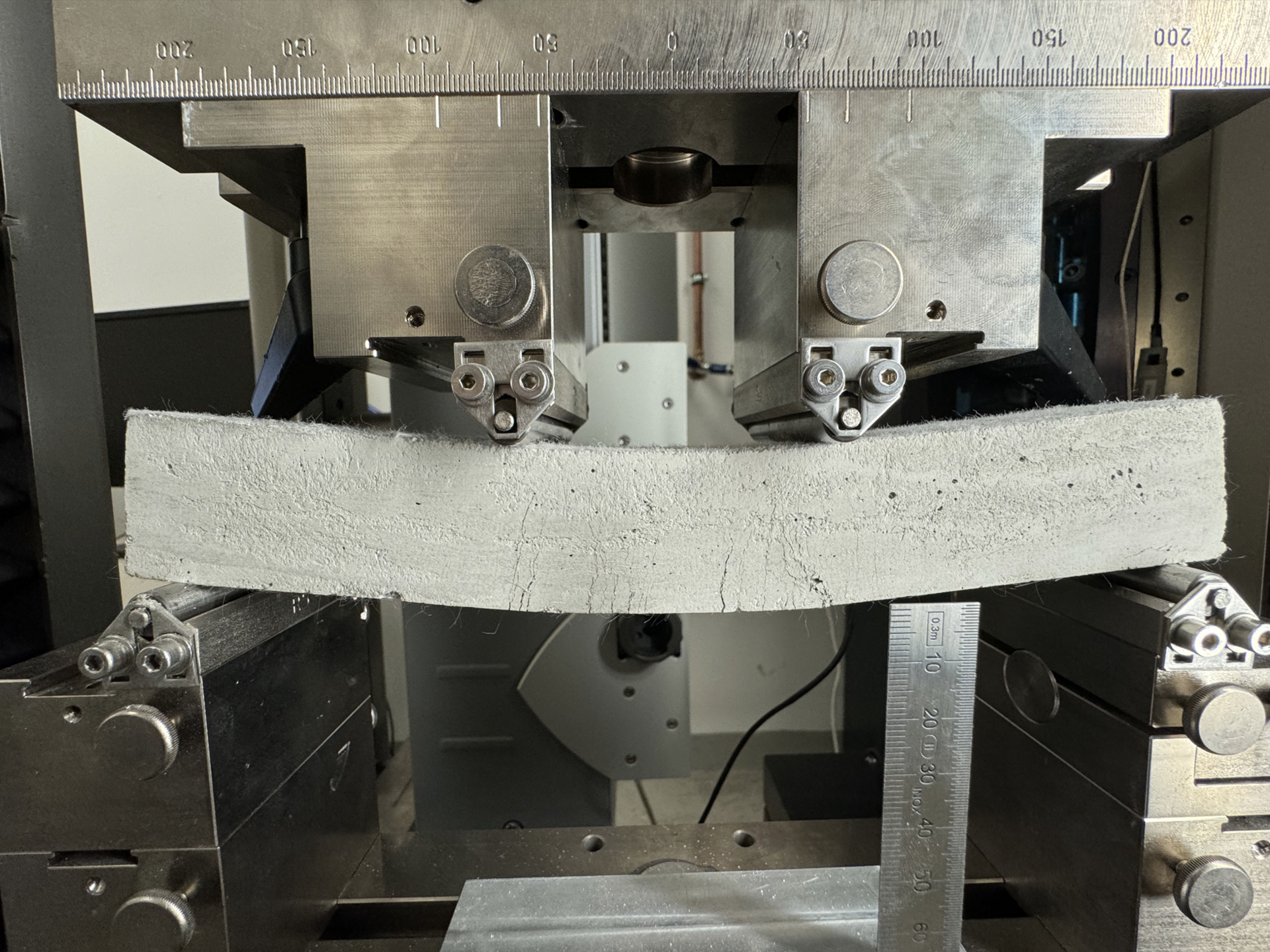
Engineered Cementitious Composites (ECC) are advanced cement-based materials characterized by high ductility, excellent crack control, self-healing and enhanced durability. Within a recently funded DFG project in cooperation with Federal University of Uberlandia (Brazil), modified ECC formulations are being developed using low-carbon binders such as LC3 and alternative fiber systems to reduce environmental impact and material costs. Combining experimental characterization, X-ray computed tomography, and numerical modelling, the research investigates the influence of crack geometry and transport mechanisms on long-term durability under realistic exposure conditions. As an output, a performance-based evaluation framework is being established to integrate tensile behavior, crack control, durability, and embodied carbon into a unified material assessment methodology for application-oriented repair design.
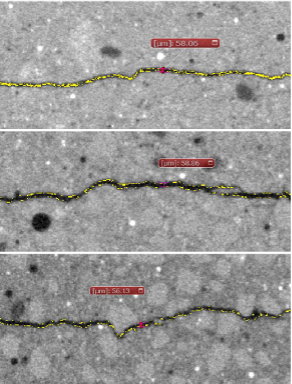
Another focus on this topic is the research on ECC ability to autonomously heal microcracks and significantly extend the service life of concrete structures. The goal is to understand the interaction between crack morphology, fiber bridging, and self-healing processes, and how these factors influence transport properties over time. Using high-resolution X-ray computed tomography (XRCT) combined with numerical modelling, realistic crack geometries are analyzed directly at the microscopic scale, enabling the evaluation of permeability and diffusion within evolving crack networks. By linking microstructural crack characteristics and healing mechanisms to macroscopic durability performance, this research contributes to the development of next-generation, low-carbon repair materials with enhanced service-life potential for both new and ageing infrastructure. International cooperation on this issue includes Federal University of Uberlandia from Brazil and Chalmers University of Technology from Sweden.
Complementing the technical research activities on materials, the SHE-BUILDS initiative integrates gender and social perspectives into cement engineering and infrastructure research. The project examines how durability, maintenance demands, and repair practices can disproportionately affect vulnerable groups, particularly women in low-income and female-headed households. By incorporating gender-sensitive evaluation criteria into material and infrastructure research, the initiative expands conventional approaches to sustainability and promotes more inclusive engineering practices.
As part of TRR277, this project aims at providing a modelling and simulation approach across the scales starting from consistent material models for bulk deposited additively manufactured concrete and its interlayers towards a reduced substitute model for fast simulations of complex geometries on the part-scale.