Following the ECOO 2026 conference, a week-long field trip took place in northern Poland, in which around 20 dragonfly researchers, led by our Polish colleagues, took part to explore a wide variety of dragonfly habitats and their inhabitants.
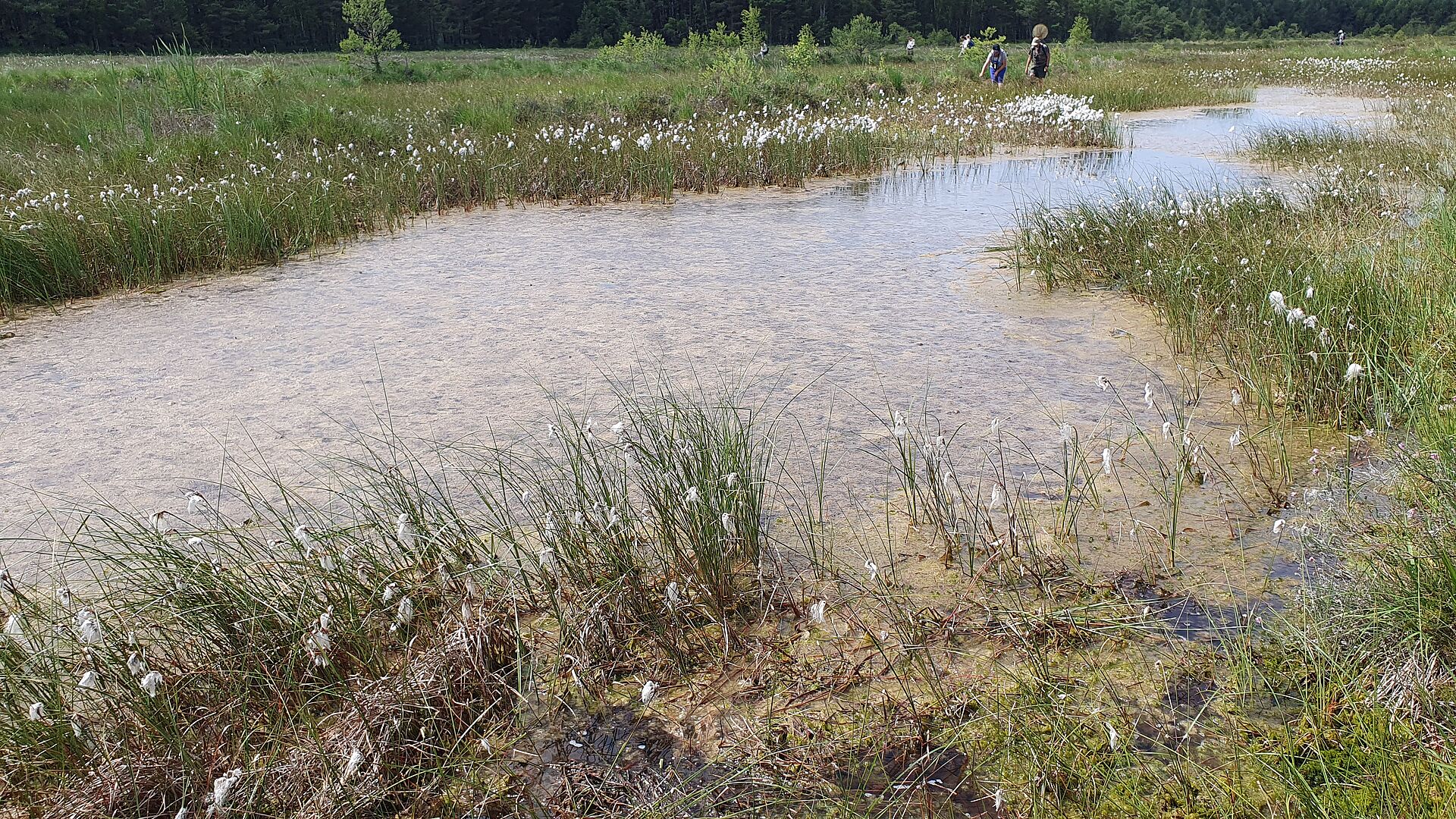
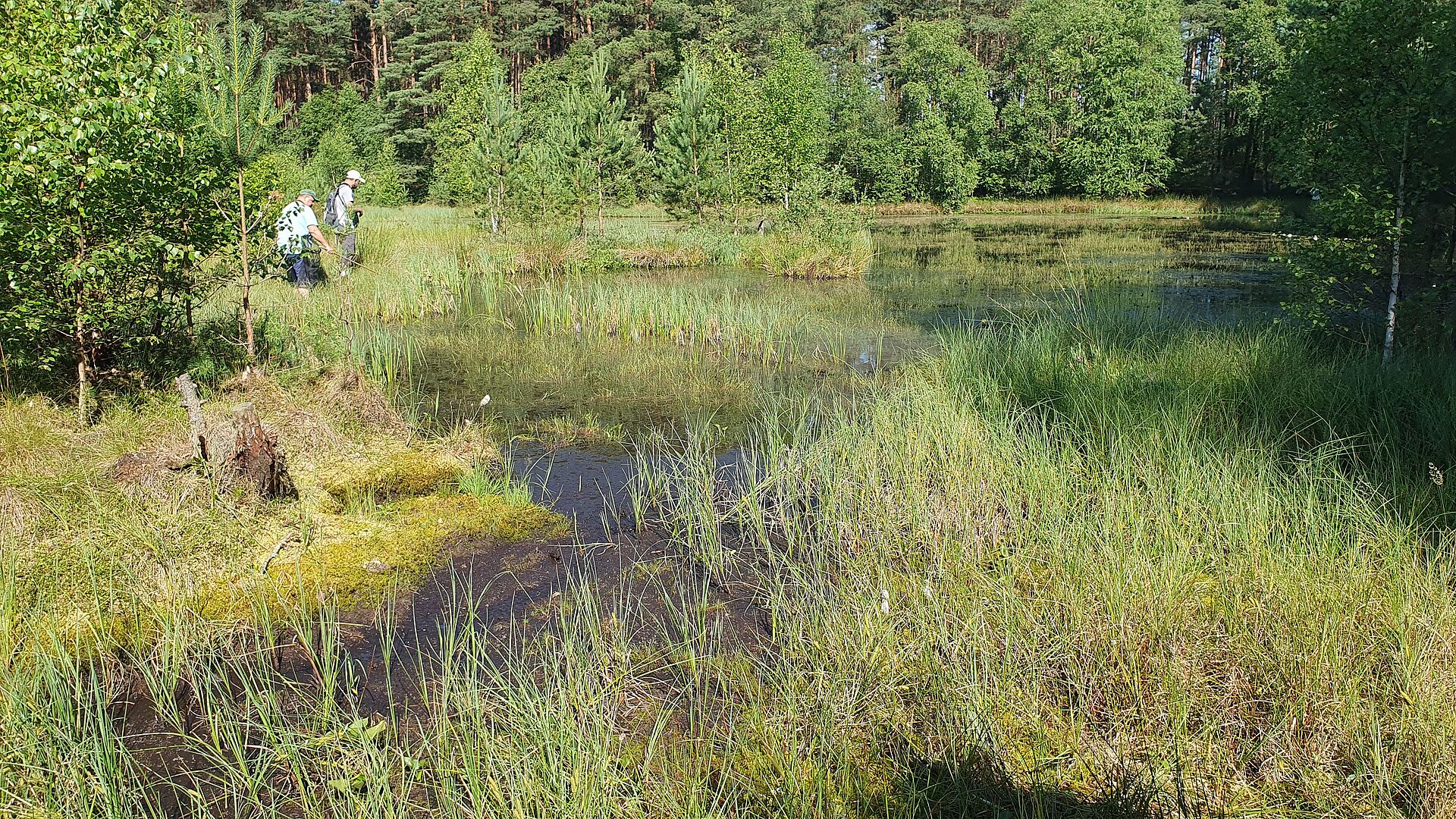
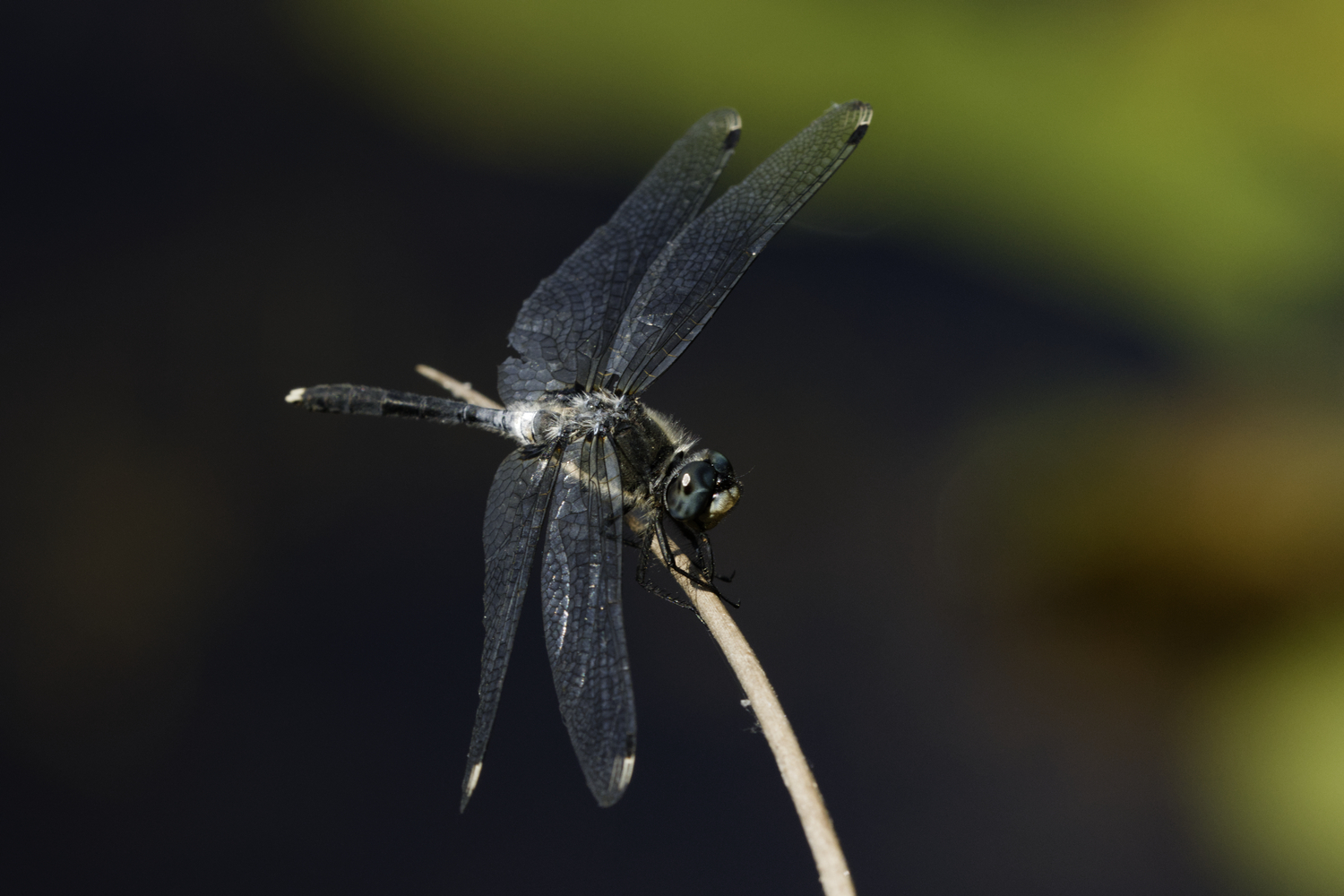
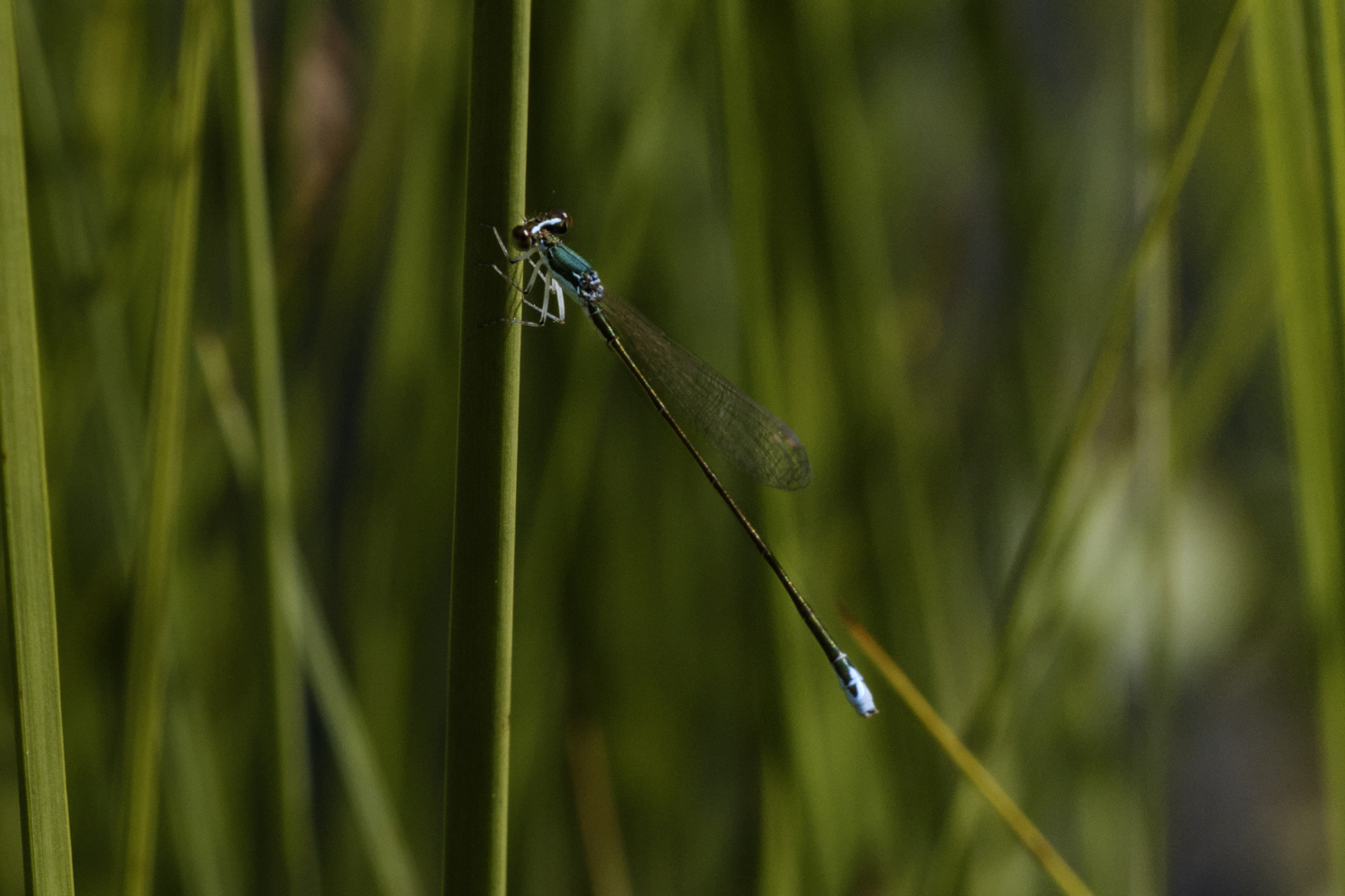
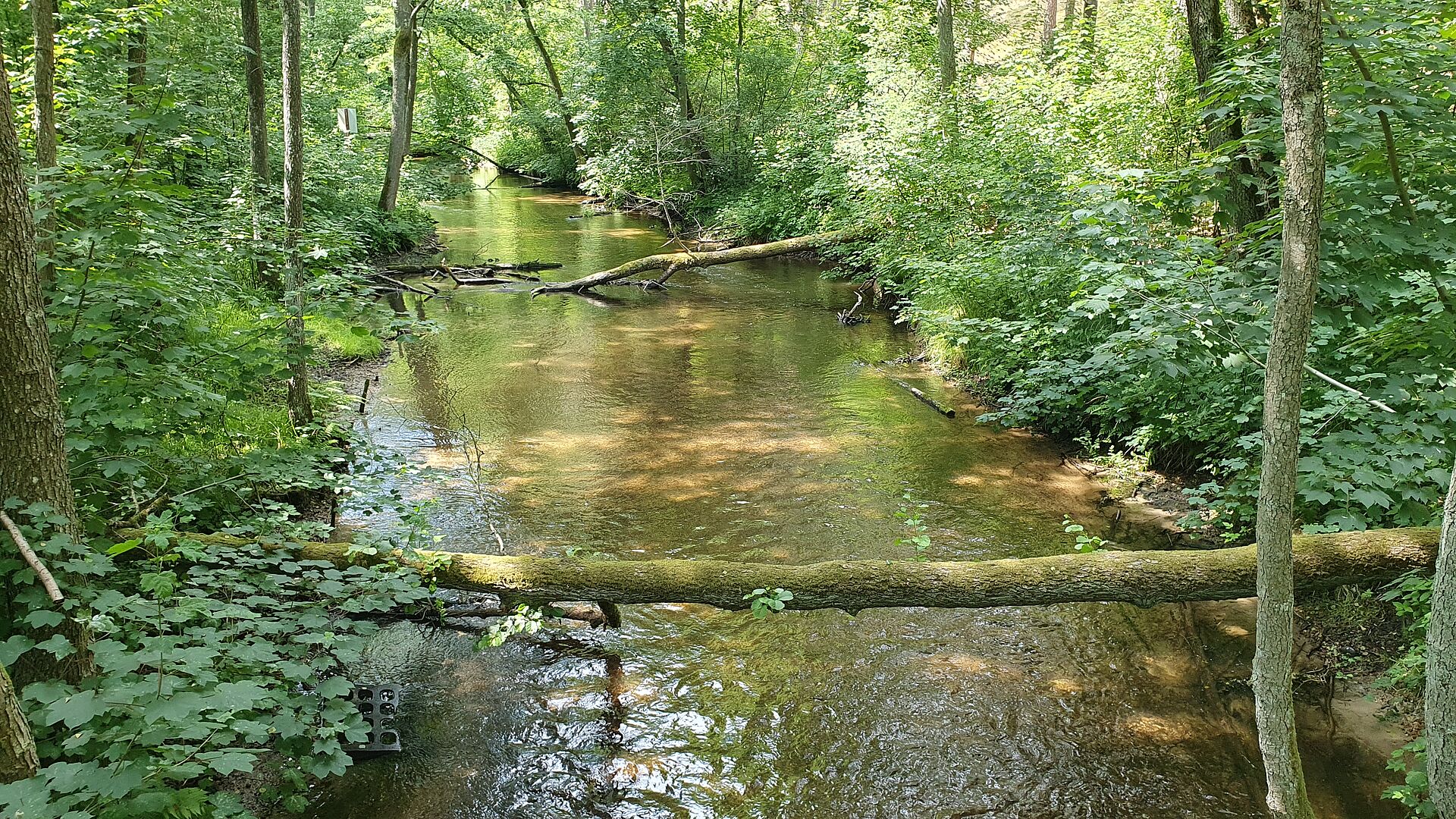
Right at the height of the heatwave, we set off for Wdzydze Landscape Park in the Kashubian Lake District. The marshy waters and small rivers with cool water, nestled within the pine forest, provided a suitable environment for observing dragonflies, even at 40°C. Notable species included the rare Eastern White-faced Darter (Leucorrhinia albifrons), which is protected throughout Europe, and the Spearhead Bluet (Coenagrion hastulatum), which is becoming increasingly rare in our latitudes due to climate change. In a lake vegetated with water soldier, we were able to clearly identify, at least through binoculars, the Green Hawker (Aeshna viridis), a species associated with the presence of this plant. In the evenings, thanks to the warm weather, there was opportunity to swim in the nearby lake and observe the Lesser Emperor at close quarters ovipositing in the reed. The simple but cosy shared accommodation at a field station fostered the already friendly atmosphere and encouraged in-depth discussions about our study organisms.
Midweek, with the weather now slightly cooler but still ideal for dragonfly watching, we moved on to Słowiński National Park on the Baltic coast. Accompanied by the park rangers, we were granted access to some very special bog habitats, which were home to a large population of the Pigmy Damselfly (Nehalennia speciosa). With a body length of just 25 mm, this is the smallest damselfly species in Central Europe; it has very specific habitat requirements and is extremely rare. After the official programme, we took the opportunity to explore the Baltic Sea beach, with its breeding Common Ringed Plover, and the vast shifting dunes, accompanied by the calls of the Eurasian Nightjar.